ACE Crypto Exchange Review: Is Taiwan's First Licensed Platform Worth It?
 Nov, 9 2026
If you live in Taiwan and have ever tried to buy Bitcoin with New Taiwan Dollars, you know the headache. Global giants like Binance pulled out of local spot trading years ago, leaving a gap that felt impossible to fill without risking regulatory fines or frozen bank accounts. Enter ACE Exchange, officially known as ACE Limited. Founded in 2018, it claims to be Taiwan’s first legally licensed cryptocurrency exchange, operating under the strict watch of the Financial Supervisory Commission (FSC). But does being "first" and "licensed" actually mean it’s the best choice for your money? Or is it just a compliant sandbox with high fees and limited coins?
What Exactly Is ACE Exchange?
Think of ACE Exchange not as another global app you download from an international store, but as a localized financial utility. It’s a centralized platform designed specifically to bridge the gap between traditional banking in Taiwan and the crypto world. Unlike unregulated offshore exchanges that might suddenly block withdrawals due to changing laws, ACE operates within the Anti-Money Laundering Act Amendment framework formalized in 2019. This means they are legally required to perform Know Your Customer (KYC) checks and Anti-Money Laundering (AML) monitoring.
The core value proposition here is compliance. If you’re a Taiwanese resident, using ACE allows you to deposit and withdraw directly in New Taiwan Dollar (TWD) without jumping through hoops. You aren’t converting USD to USDT to BTC; you’re moving money from your local bank account to a regulated digital asset platform. For many, this peace of mind is worth more than having access to thousands of obscure altcoins.
Regulatory Status and Security Infrastructure
Why does regulation matter? Because in 2021, when regulations tightened, several major exchanges exited the Taiwanese market. ACE stayed. They secured their license by partnering with heavyweights like KPMG to implement rigorous anti-money laundering measures. This isn’t just marketing fluff; it’s a structural requirement. The exchange uses a multi-layered security architecture, including DDoS prevention and AI-driven firewalls.
Behind the scenes, ACE implemented Splunk Enterprise Security in 2021 to monitor logs across Google Cloud, AWS, and Azure. According to their internal metrics, this reduced operational costs by 10% and improved threat detection. However, independent reviewers at WalletScrutiny point out a critical flaw: the platform is closed-source. If the code isn’t public, you’re trusting the provider’s word that they won’t steal your funds. While their partnership with KGI Bank suggests stability, the lack of open-source transparency is a trade-off you make for convenience.
Supported Assets and Trading Experience
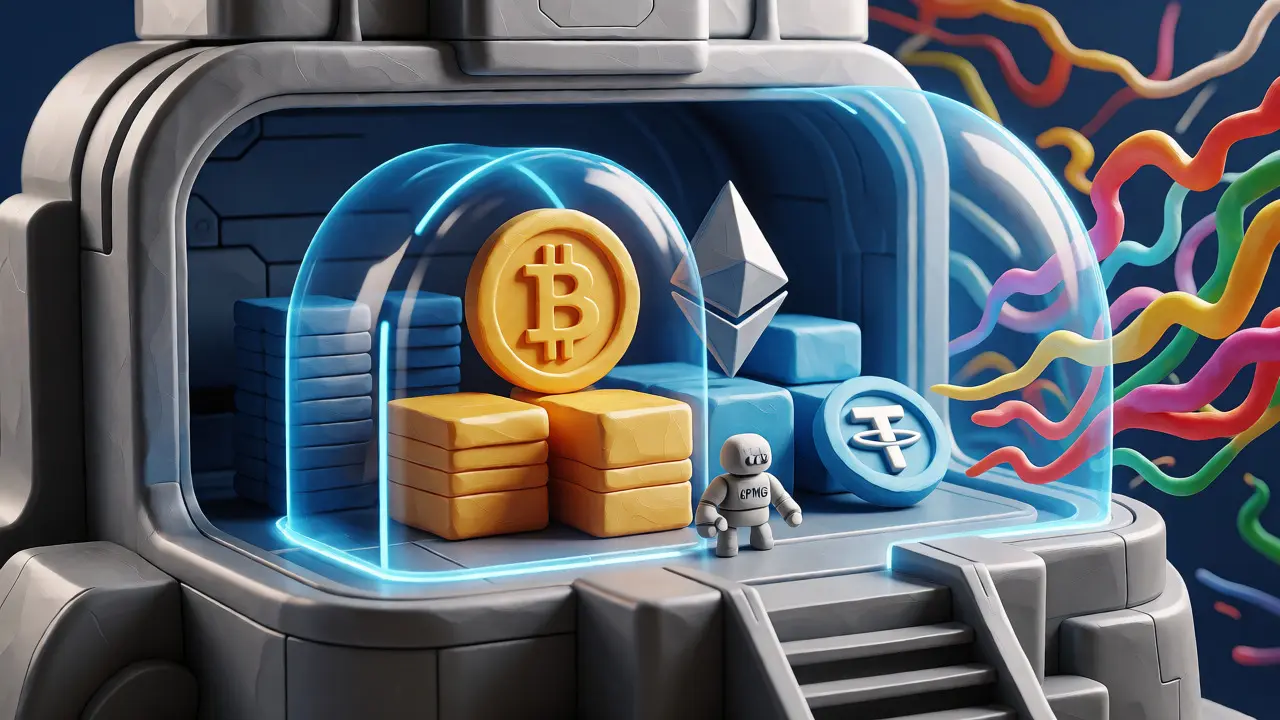
Here is where expectations need to be managed. If you’re looking to trade meme coins or new DeFi tokens, ACE will disappoint you. The platform focuses on the big three: Bitcoin (BTC), Ethereum (ETH), and Tether (USDT). Since its launch, they’ve added only seven new tokens, prioritizing regulatory safety over market hype. Compare this to Binance, which offers over 600 cryptocurrencies, and the difference is stark.
The interface supports both Traditional Chinese and English, making it accessible for expats living in Taipei or Kaohsiung. Liquidity is described as "comparable to top-tier exchanges," but given that Taiwan’s total crypto volume is less than 1% of the global market, "top-tier" here is relative. You might experience wider bid-ask spreads during off-hours compared to global platforms, though the TWD pairing eliminates currency conversion risks.
Fees, Deposits, and Withdrawals
Let’s talk numbers, because this is often the dealbreaker. ACE charges a flat maker-taker fee of 0.1%. That sounds small until you compare it to Binance, where fees can drop to 0.02% for high-volume traders. On ACE, every trade costs you a tenth of a percent, regardless of how much you trade.
| Feature | ACE Exchange | Global Exchange (e.g., Binance) |
|---|---|---|
| Trading Fee | 0.1% (Flat) | 0.02% - 0.1% (Tiered) |
| Minimum Deposit | NT$500 (~$16 USD) | Varies (Often $10+) |
| Asset Selection | BTC, ETH, USDT (+7 others) | 600+ Cryptocurrencies |
| TWD Support | Direct Bank Transfer | P2P or Third-Party Only |
Deposits require a minimum of NT$500. Withdrawal times are generally fast, but user reports indicate occasional delays during high-traffic periods. One Reddit user noted a 48-hour verification process for new accounts, which is thorough but slow if you’re trying to jump into a market spike.

User Feedback and Community Sentiment
Scouring Trustpilot and local forums reveals a mixed bag. With a 3.8/5 rating based on 32 reviews, sentiment leans positive regarding customer service. Users praise the responsive support team that communicates in Mandarin, a huge plus for locals who struggle with English-only support tickets. Complaints, however, cluster around two things: the limited coin selection and withdrawal speeds. About 43% of negative reviews mention wanting more altcoins, while 28% complain about delays.
The community size is modest-around 150,000 verified users. This creates a tight-knit environment but lacks the massive liquidity pools found on global exchanges. If you’re a casual investor buying BTC monthly, this doesn’t matter. If you’re an active trader chasing volatility, the thin order books could lead to slippage.
Who Should Use ACE Exchange?
ACE isn’t for everyone. It’s specifically tailored for:
- Taiwanese Residents: Who want direct TWD integration and legal clarity.
- Conservative Investors: Who prioritize security and compliance over speculative altcoin trading.
- Institutional Clients: Especially after their August 2025 expansion into OTC desks and API trading for businesses.
If you’re already holding crypto and just want to cash out into TWD safely, ACE is arguably the best tool in the region. But if you’re looking to diversify into Solana, Cardano, or emerging Layer-2 solutions, you’ll likely need to pair ACE with a global exchange, accepting the hassle of moving funds across borders.
Is ACE Exchange safe to use?
Yes, ACE is considered safe due to its licensing under Taiwan's Financial Supervisory Commission (FSC) and partnerships with firms like KPMG for AML compliance. However, it is a centralized exchange, meaning you do not hold your own private keys. The platform is closed-source, so users must trust the company's internal security audits.
What cryptocurrencies can I trade on ACE?
ACE primarily supports Bitcoin (BTC), Ethereum (ETH), and Tether (USDT). They have added a few other tokens since 2018, but the selection is very limited compared to global exchanges like Binance or Coinbase. It is best suited for major cap assets.
How long does KYC verification take on ACE?
Verification typically takes between 24 to 72 hours. Users report needing to submit a Taiwanese National ID or passport. The process is stricter than unregulated platforms, which can result in faster approvals for straightforward cases but longer waits if documents are unclear.
Can I deposit New Taiwan Dollars (TWD) directly?
Yes, direct TWD deposits and withdrawals via bank transfer are the primary advantage of ACE Exchange. This feature is unavailable on most global exchanges operating in Taiwan due to regulatory restrictions, making ACE a unique option for local fiat integration.
Are the trading fees high?
The standard trading fee is 0.1% for both makers and takers. This is higher than the tiered fees offered by global competitors, which can go as low as 0.02%. However, for small-to-medium retail investors, the difference is negligible compared to the cost of currency conversion and transfer fees from global platforms.