Crypto & Blockchain: Exchanges, Privacy Coins, and Real-World Use Cases
When you hear Crypto, digital assets that run on decentralized networks and let people send value without banks. Also known as cryptocurrency, it’s not just about Bitcoin anymore—it’s about how money, identity, and trust are being rebuilt from the ground up. Behind every coin is a Blockchain, a public, tamper-proof ledger that records transactions across many computers so no single group controls it. This tech doesn’t just power money—it’s changing energy grids, event tickets, and even stock trading. You can’t talk about crypto without talking about crypto exchanges, platforms where people buy, sell, or trade digital assets, but many are unsafe, unregulated, or outright scams. Some look flashy with high leverage and zero slippage claims, but if they skip audits or hide their team, they’re not tools—they’re traps. And then there’s privacy coins, cryptocurrencies like Monero and Zcash designed to hide who sent what to whom, unlike Bitcoin where every transaction is public. They’re not for criminals—they’re for journalists in authoritarian states, people in hyperinflation countries, and anyone who believes financial privacy is a right, not a luxury.
Blockchain isn’t magic. It needs real-world connections, and that’s where blockchain oracles, systems that feed real data like stock prices or weather into smart contracts come in. Without them, a smart contract can’t know if a flight was delayed or if Bitcoin hit $60K. And when you’re earning crypto by locking up your coins in DeFi, decentralized finance platforms that replace banks with code, offering loans, savings, and trading without intermediaries, you’re not just chasing APY—you’re betting on code that might have bugs, no insurance, and no customer support. Yield farming sounds great until your tokens lose half their value overnight. Meanwhile, governments aren’t sitting idle. Countries like Angola banned mining because it was draining power from hospitals. The U.S. built a $17 billion Bitcoin reserve from seized coins. Russia’s citizens face jail time for using certain exchanges. This isn’t theory—it’s happening right now, and it’s shaping who can use crypto, where, and under what rules.
What you’ll find below isn’t a list of hype. It’s a clear-eyed look at what’s real and what’s not. You’ll read about exchanges that look promising but are dangerously opaque, airdrops that promise free tokens but have zero value, and blockchain projects that actually solve problems—like tokenizing 3D objects or letting neighbors trade solar power directly. Some posts warn you away from scams. Others show you how to spot real innovation. You’ll learn why Portugal lets you hold Bitcoin tax-free, why El Salvador’s Bitcoin experiment failed, and why a coin called SPHYNX dropped 90% in months. This isn’t about getting rich quick. It’s about understanding what’s happening, who’s behind it, and how to protect yourself while still being part of the shift.

Vietnam Crypto Legal Status: From Gray Area to Regulated Market in 2026
Vietnam shifts from crypto gray area to strict regulation in 2026. Learn how Law 71/2025 impacts Bitcoin trading, VND-only transactions, and licensed exchange requirements.

El Salvador Bitcoin Legal Tender Case Study: What Went Wrong?
Explore the rise and fall of El Salvador's Bitcoin legal tender experiment. Learn how IMF pressure, technical hurdles, and low adoption led to the end of mandatory crypto usage.

Bird Finance Airdrop Guide: How to Claim BIRD Tokens
Discover the details behind the Bird Finance BIRD airdrop. Learn about its deflationary tokenomics, smart pool features, and how to avoid confusion with similar-named crypto projects.

CBDC Development vs. Private Crypto: The 2026 Landscape
Discover how Central Bank Digital Currencies (CBDCs) are reshaping the financial world in 2026. We explore the competition between government-backed digital money and private cryptocurrencies, analyzing privacy, speed, and adoption trends.

OKX Crypto Exchange Review: Fees, Features, and Safety in 2026
An honest OKX crypto exchange review covering fees, safety, and features for 2026. Discover if this top-tier platform suits your trading needs.
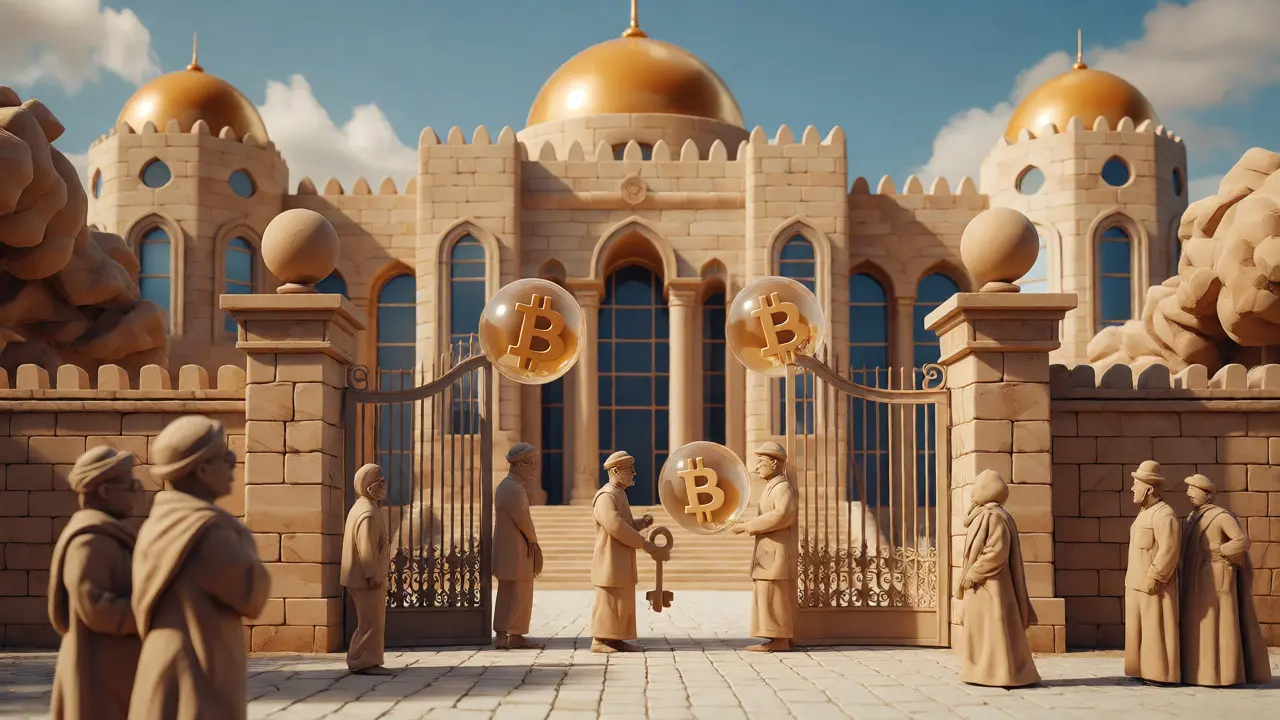
Bank of Namibia Crypto Policy: What the 2023 Virtual Assets Act Means for You
Discover how the Bank of Namibia regulates crypto through the 2023 Virtual Assets Act. Learn about VASP licensing, the Travel Rule, and why Bitcoin isn't legal tender.

VPN Detection on Crypto Exchanges: Why 70-80% of Users Get Flagged
Discover why 70-80% of crypto traders get flagged for VPN usage. Learn how exchanges detect masks, which tools bypass bans, and how to avoid account freezes.

What is MAGA Coin? A Deep Dive into the maga-hat.vip ERC-20 Token
Discover what MAGA (maga-hat.vip) is: a Trump-themed ERC-20 meme coin on Ethereum. Learn about its 0% tax, community governance, risks, and how to buy.

Crypto Tax Rates by Country: Global Comparison Guide
Discover how crypto tax rates vary globally in 2026. Compare high-tax nations like Japan against zero-tax havens like the UAE. Learn key compliance rules.

What Are Decentralized Exchanges? A Practical Guide to DEXs
Discover how Decentralized Exchanges (DEXs) let you trade crypto directly without intermediaries. Learn about AMMs, risks like impermanent loss, and step-by-step tips for safe trading.
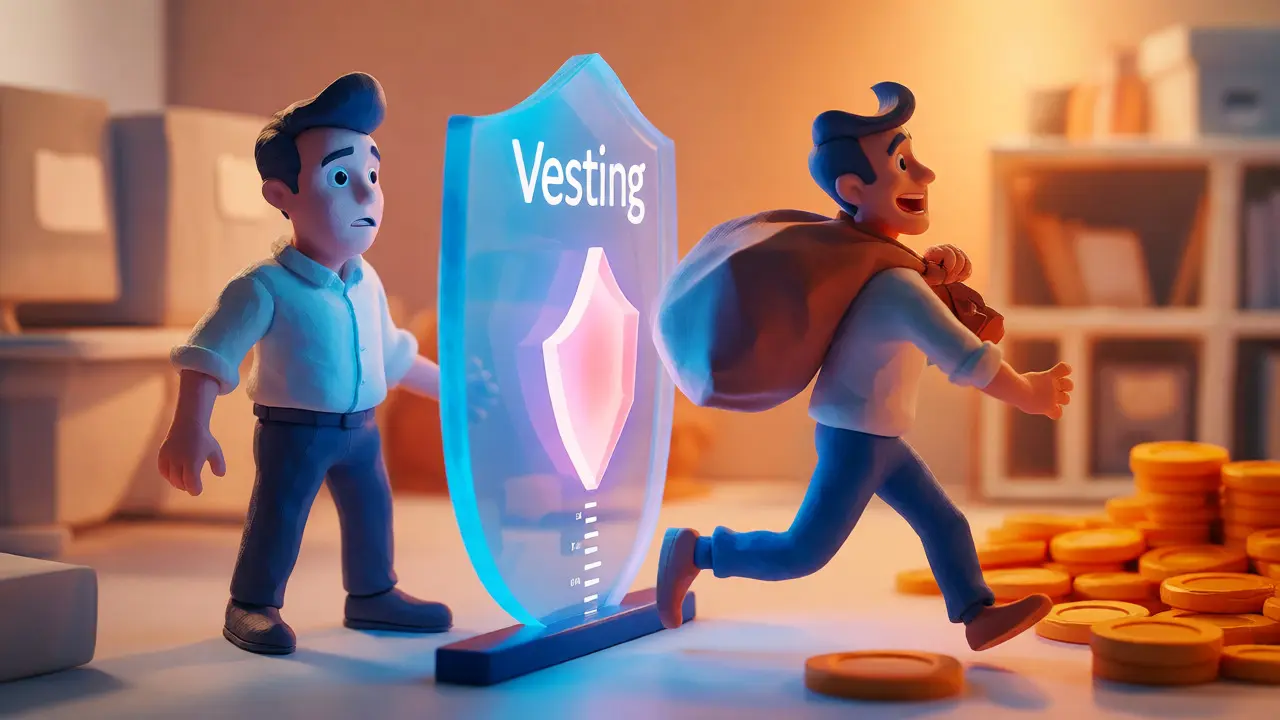
Vesting Period Importance for Investors: A 2026 Guide to Equity and Crypto
Discover why vesting periods are crucial for protecting investor capital in startups and crypto. Learn how cliffs, unlock schedules, and governance standards mitigate risk and align incentives in 2026.

Impermanent Loss Calculators: Best Tools to Check DeFi Risks
Discover the best impermanent loss calculators for DeFi. Compare CoinGecko, Koinly, and CryptoTaxPrep to assess liquidity provider risks, calculate net returns, and optimize your crypto investment strategies.