Step Exchange Review 2026: Is It Safe or a Scam?
 May, 19 2026
Have you heard the buzz about Step Exchange, a platform promising high yields and easy trading? You are not alone. In the fast-moving world of cryptocurrency, new platforms pop up daily, often with flashy marketing and promises of instant wealth. But here is the hard truth: if you cannot find reliable information about an exchange, that is usually the first red flag.
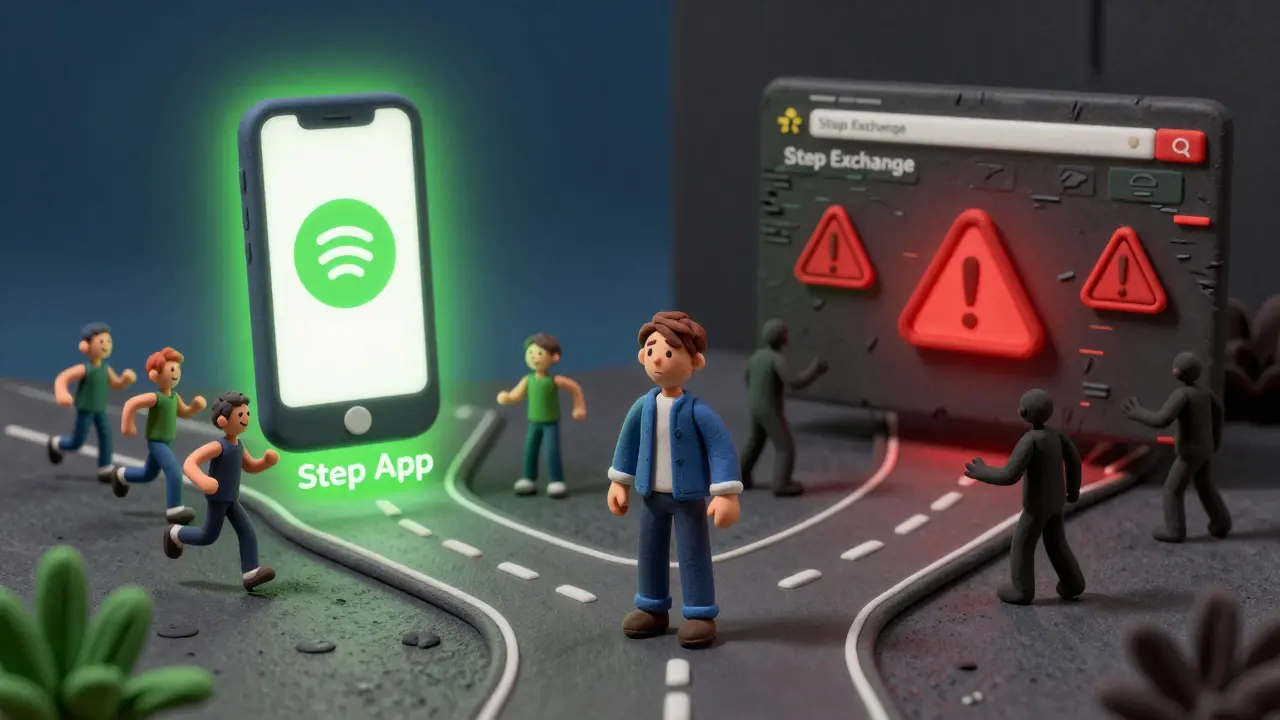
This review cuts through the noise. We will look at what Step Exchange actually is, where it comes from, and whether it is safe for your money in 2026. Spoiler alert: there is a major confusion between two different entities named "Step," and understanding this difference could save you from losing your savings.
The Great Confusion: Step App vs. Step Exchange
Before we judge the platform, we need to clear up a massive misunderstanding. When people search for "Step Exchange," they are often mixing up two completely different things.
First, there is Step App. This is a legitimate mobile application developed by Illusory Labs. It started as a "move-to-earn" fitness app called StepN, which rewards users for walking, running, or jogging. The Step App also functions as a non-custodial wallet and a gateway to decentralized finance (DeFi) on the Solana blockchain. It allows users to swap tokens, lend assets, and manage their digital identity. This is a real, functional product with millions of downloads.
Second, there is the term "Step Exchange" used by various unverified websites, social media bots, and potentially fraudulent schemes. These sites often claim to be a centralized exchange (CEX) where you deposit funds to trade Bitcoin, Ethereum, or other altcoins. They promise high returns, low fees, and exclusive access. However, these platforms often lack regulatory licenses, have no public team members, and disappear after collecting deposits.
If you are looking for the official wallet associated with the StepN ecosystem, you are likely using the Step App. If someone directed you to a website called "Step Exchange" to deposit cash and get guaranteed profits, you need to stop and read the warning signs below.
Red Flags: How to Spot a Fake Crypto Platform
In 2026, the crypto landscape is cleaner than it was in previous years, but scammers are still active. Here is how to tell if the "Step Exchange" you found is legitimate or a trap.
- No Regulatory Compliance: Legitimate exchanges like Coinbase or Kraken are registered with financial authorities such as the SEC or FinCEN in the United States, or equivalent bodies in Europe and Asia. A fake "Step Exchange" will have no license number or vague claims of being "registered offshore." Always check the regulator's official database.
- Anonymous Team: Real companies have founders who can be found on LinkedIn or in news articles. If the "About Us" page features stock photos and generic names, run away. Illusory Labs, the creators of Step App, have public founders like Simon Yu and Alex Xu.
- Guaranteed Returns: No one can guarantee profits in crypto. If a site promises you 1% daily returns or "risk-free trading," it is a Ponzi scheme. They use new investors' money to pay old ones until the house collapses.
- Pressure Tactics: Does the site urge you to deposit immediately because of a "limited-time offer"? Legitimate exchanges do not pressure you. They want you to think carefully.
- Poor Website Quality: Look at the URL. Is it spelled correctly? Many scams use slight misspellings like "step-exchange-official.com" or "stepcrypto-login.net" instead of the genuine domain.
Is the Official Step App Safe?
If you are referring to the Step App (the wallet and DeFi hub), the answer is generally yes, but with caveats typical of self-custody solutions.
The Step App is non-custodial. This means you hold your own private keys. Your assets are stored on the Solana blockchain, not on a server owned by Illusory Labs. This is safer in one way: if the company goes bankrupt, your money is still yours. However, it is riskier in another: if you lose your seed phrase or get phished, there is no customer support to reset your password. You are solely responsible for your security.
The app has undergone multiple audits by reputable firms like SlowMist and Certik. These audits check the code for vulnerabilities. While no code is 100% bug-free, regular audits significantly reduce the risk of hacks. The Step App also integrates with STEP Token, its native utility token, which powers governance and transactions within the ecosystem.

Comparison: Step App vs. Centralized Exchanges
To help you decide if the Step App fits your needs, let's compare it with traditional centralized exchanges (CEXs). This comparison assumes you are asking about the legitimate Step App, not a scam site.
| Feature | Step App (Non-Custodial) | Coinbase / Binance (Centralized) |
|---|---|---|
| Custody | You hold keys (Self-custody) | Exchange holds keys |
| KYC Requirement | Optional for basic swaps; required for fiat on-ramps | Mandatory for all trading |
| Fees | Network gas fees + protocol fee (variable) | Spread + trading fee (usually lower for large volumes) |
| Security Risk | User error (phishing, lost keys) | Exchange hack, insolvency |
| Recovery | Impossible without seed phrase | Customer support may help |
| Ecosystem | Focus on Move-to-Earn, Solana DeFi | Broad market, spot, futures, staking |
Who Should Use Step App?
The Step App is ideal for specific types of users. If you fit into these categories, it might be a great tool for you.
- Move-to-Earn Enthusiasts: If you play StepN or similar games, the Step App is the best place to store your sneakers, masks, and STEP tokens. It offers seamless integration with these apps.
- Solana Users: If you primarily trade on the Solana network, the Step App provides a smooth user experience for swapping tokens and accessing lending protocols like MarginFi or Drift Protocol.
- Privacy Seekers: Since it is non-custodial, you have more control over your data and assets compared to CEXs that require extensive KYC (Know Your Customer) documentation.
However, if you are a beginner who wants to buy Bitcoin with a credit card and forget about security, a centralized exchange like Coinbase or Kraken is probably easier and safer for you. They handle the technical complexities and offer insurance against certain types of theft.
How to Stay Safe on Any Crypto Platform
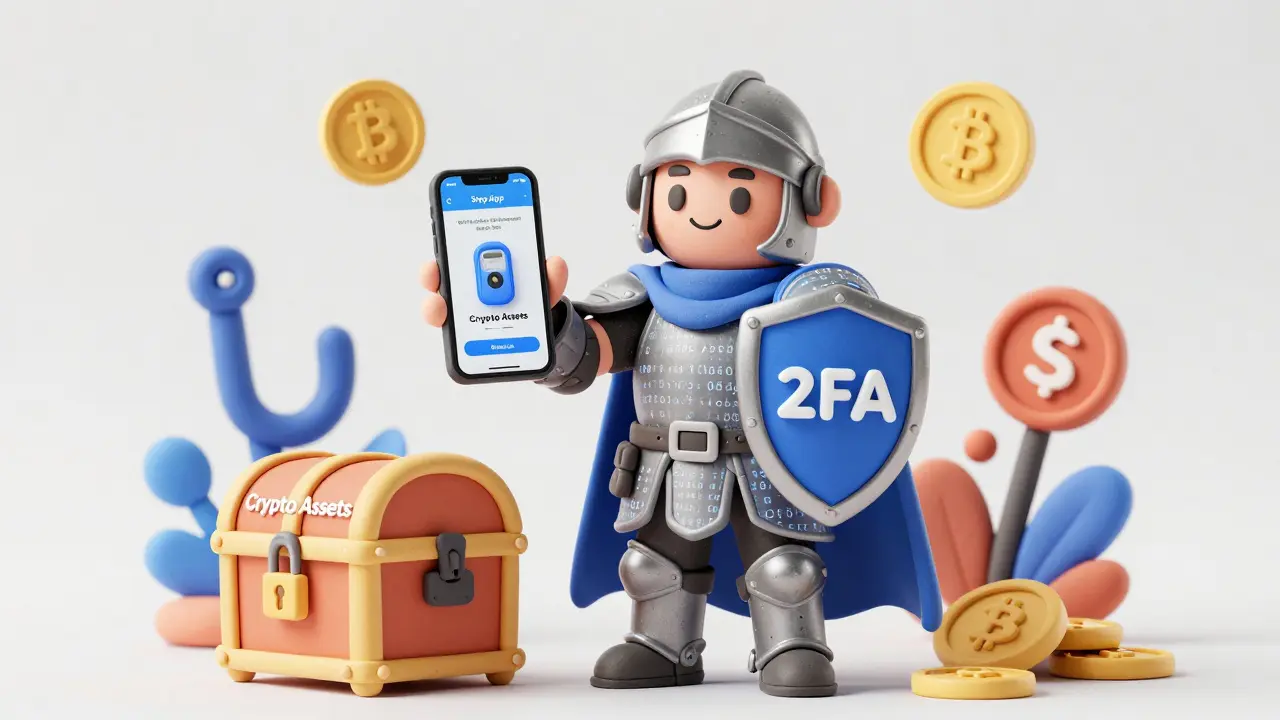
Whether you use Step App, Binance, or any other platform, security is your responsibility. Follow these steps to protect your funds in 2026.
- Enable Two-Factor Authentication (2FA): Never use SMS 2FA if possible. Use an authenticator app like Google Authenticator or Authy. Better yet, use a hardware key like YubiKey.
- Verify URLs: Bookmark the official website. Do not click links from emails or social media messages. Scammers create look-alike sites to steal your login details.
- Check Contract Addresses: When swapping tokens in the Step App, always verify the token contract address. Fake tokens with similar names are common on Solana and Ethereum.
- Start Small: If you are trying a new platform, deposit a small amount first. Test withdrawals before moving your life savings.
- Keep Software Updated: Ensure your Step App is updated to the latest version. Developers patch security bugs regularly.
Final Verdict: Proceed with Caution
So, is Step Exchange good? If you mean the Step App, it is a solid, innovative tool for Solana users and Move-to-Earn participants. It is secure, audited, and backed by a reputable team. However, it requires you to take responsibility for your own security.
If you mean a website claiming to be "Step Exchange" that asks you to deposit funds for high returns, avoid it. There is no credible evidence of a legitimate centralized exchange by this name. The lack of transparency, regulatory presence, and independent reviews suggests it is either a scam or a very early-stage project with high risk.
In crypto, trust but verify. Always do your own research (DYOR). Check official sources, read community feedback on Reddit or Twitter, and never invest money you cannot afford to lose. The right choice depends on your experience level and risk tolerance. For most beginners, sticking to well-known, regulated exchanges is the safest path.
Is Step Exchange a scam?
There is no legitimate centralized exchange called "Step Exchange." If you encounter a website with this name promising high returns, it is likely a scam. However, the Step App is a legitimate non-custodial wallet and DeFi platform developed by Illusory Labs. Be careful not to confuse the two.
What is the difference between Step App and Step Exchange?
Step App is a real, verified mobile application that serves as a wallet and gateway to Solana-based DeFi and Move-to-Earn apps like StepN. "Step Exchange" is often a term used by fraudulent sites impersonating legitimate brands to steal deposits. Always download the Step App from official app stores.
Is Step App safe for storing crypto?
Yes, Step App is considered safe for users who understand self-custody. It is non-custodial, meaning you control your private keys. It has been audited by firms like Certik and SlowMist. However, you must keep your seed phrase secret and protected. If you lose it, your funds are unrecoverable.
Can I buy Bitcoin directly on Step App?
Step App primarily supports Solana-based assets and STEP tokens. While it may offer fiat on-ramps through third-party providers, it is not a full-service exchange for buying Bitcoin or Ethereum directly with credit cards like Coinbase or Binance. You would typically buy crypto on a CEX and transfer it to Step App.
Who owns Step Exchange?
The legitimate Step App is owned by Illusory Labs, founded by Simon Yu and Alex Xu. There is no known owner for a centralized "Step Exchange" because such a platform does not appear to exist as a regulated entity. Be wary of anonymous teams behind investment platforms.
What happens if Step App gets hacked?
Since Step App is non-custodial, the app itself cannot be "hacked" to steal your funds unless you approve a malicious transaction. Your assets are secured by your private keys on the blockchain. If the Illusory Labs servers go down, you can still access your funds via other wallets using your seed phrase. The main risk is user error, such as phishing attacks.