Famous Airdrops in Crypto History: Winners, Losers, and Lessons Learned
 May, 20 2026
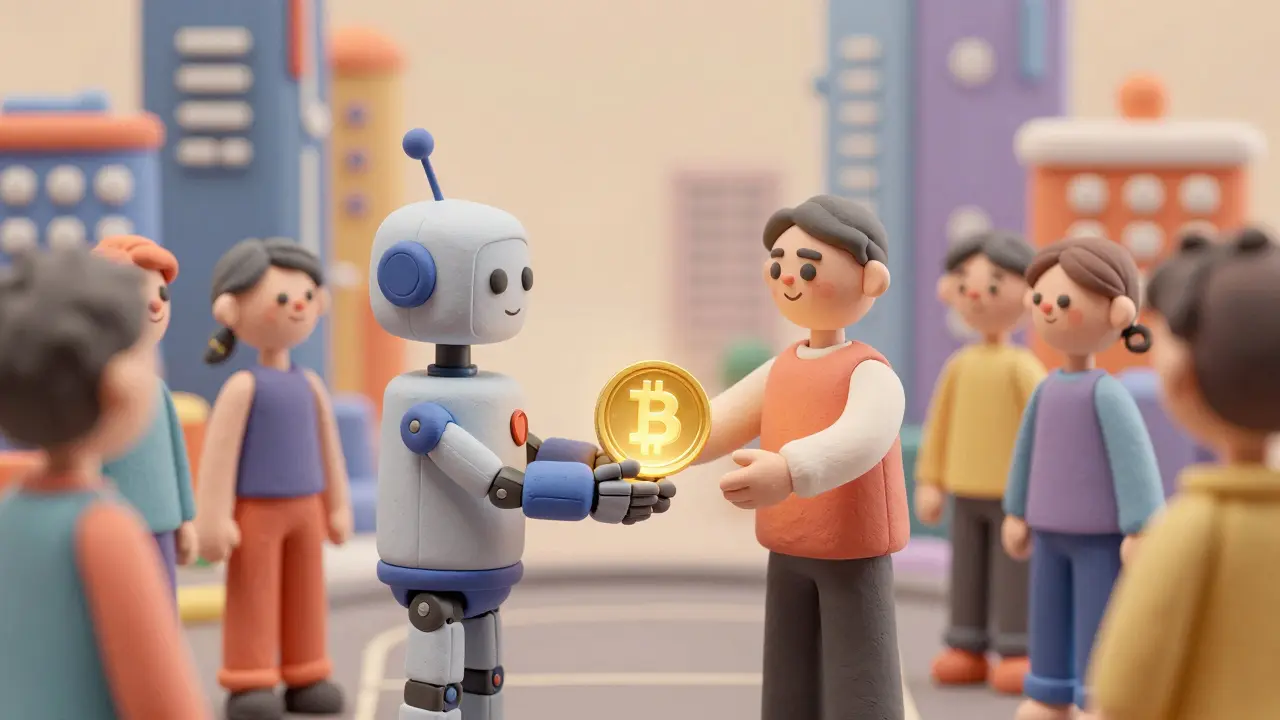
Remember when getting free crypto felt like finding money in an old coat pocket? Back in the early days of blockchain, Crypto airdrops were simply marketing stunts-projects handing out tokens to anyone who joined a Telegram group or retweeted a post. Today, that era is long gone. Modern airdrops are complex, strategic mechanisms designed to bootstrap network effects, reward genuine users, and decentralize governance. They have evolved from simple giveaways into sophisticated economic experiments that can make or break a project’s longevity.
The shift has been dramatic. In 2023 alone, the top 50 crypto airdrops distributed over $4.56 billion worth of tokens at their all-time highs. This isn't just about free money anymore; it's about building engaged communities with real economic stakes. But not every airdrop ends in success. Some created millionaires, while others left holders watching their portfolios evaporate by 99%. Understanding the history of these famous distributions helps you navigate the current landscape, avoid scams, and identify opportunities that offer more than just short-term hype.
The Benchmark: Uniswap’s Revolutionary Distribution
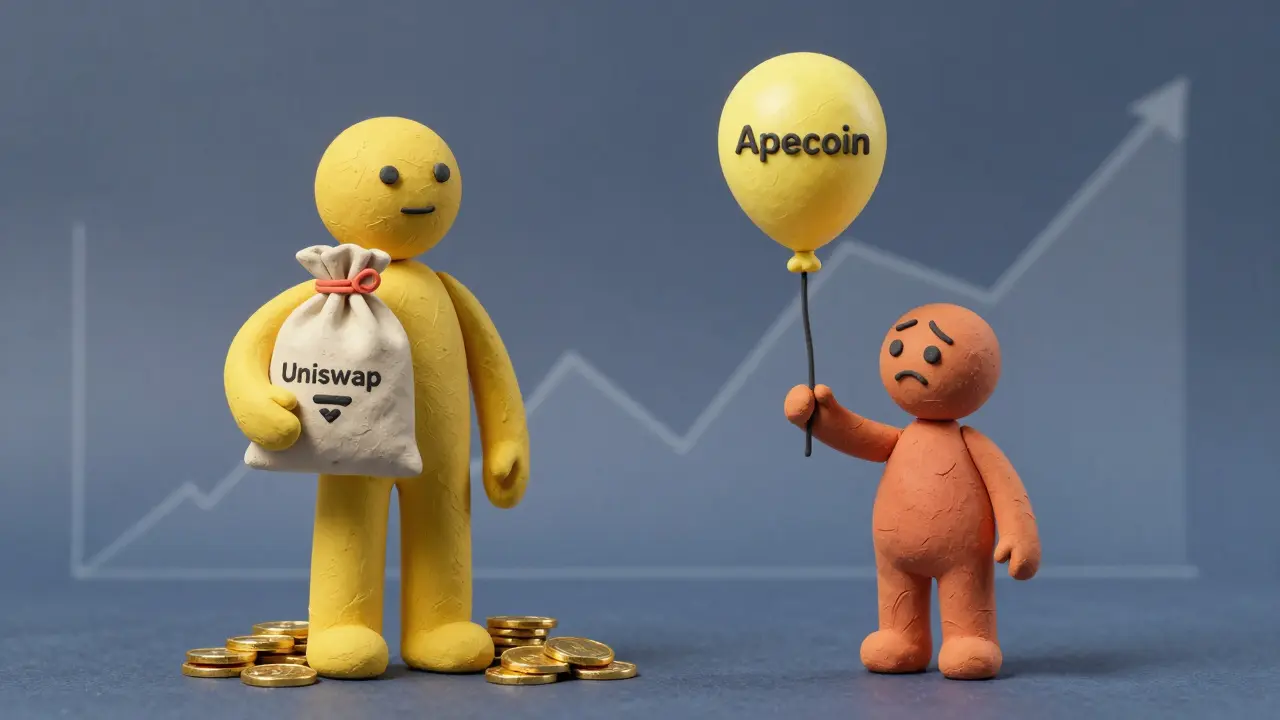
If there is one airdrop that defined the industry, it is Uniswap. Launched in September 2020, this distribution remains the gold standard for successful tokenomics. Unlike previous projects that gave tokens away randomly, Uniswap targeted actual users. They allocated 15% of their total token supply to wallets that had interacted with their protocol before a specific snapshot date.
Every qualifying wallet received exactly 400 UNI tokens. The math was simple but powerful: 49 million tokens went to liquidity providers, and 1,000 tokens were set aside for those who had engaged with the earlier SOCKS token. In total, over 57,000 addresses received tokens. At its peak, UNI hit $42.88, meaning a single claim could be worth nearly $17,000. Even years later, as of late 2025, UNI still holds significant value, retaining about 17% of its all-time high. This success proved that rewarding utility creates loyal communities rather than quick-flippers.
The NFT Boom: Apecoin’s Rise and Fall
In March 2022, during the height of the Non-Fungible Token (NFT) craze, Yuga Labs launched Apecoin. This airdrop was tied directly to ownership of digital art collections. Holders of Bored Ape Yacht Club (BAYC) NFTs received 10,950 APE tokens each. At the time, with APE trading near $23, that single bag was worth over $250,000. It was a massive windfall for early NFT collectors.
However, Apecoin serves as a cautionary tale. Without strong underlying utility beyond brand association, the token price collapsed. By December 2025, APE had lost 99% of its all-time high value, trading around $0.24. Many recipients watched their paper wealth vanish as the project struggled to find sustainable use cases for the token. This highlights a critical lesson: an airdrop’s initial value depends heavily on the project’s long-term viability, not just its marketing budget.
Layer 2 Scaling: Arbitrum’s Points System
As Ethereum became congested and expensive, Layer 2 solutions gained traction. Arbitrum entered the scene in 2023 with a highly anticipated airdrop. Instead of a simple snapshot, Arbitrum used a complex points system. Users earned points based on transaction volume, bridge usage, and interaction with protocols built on their chain over an 11-month period.
This approach rewarded active users rather than passive holders. When the ARB token launched, 1.13 billion tokens were distributed. At its all-time high of $1.69, many sophisticated users who had "farmed" the points saw significant returns. One user reported netting $7,200 after vesting. While ARB has since corrected to around $0.47, retaining 28% of its peak value, it demonstrated how detailed tracking of user behavior can align incentives better than random distribution.
The Meme Coin Experiment: Bonk on Solana
In 2022, the Bonk airdrop changed the game for the Solana ecosystem. Following a difficult period for Solana, the team decided to distribute 50% of its 100 billion token supply directly to the community. The goal was to revive interest and activity on the network.
Bonk worked, but in a volatile way. It reached an all-time high valuation of $1.325 billion in late 2023, driven purely by community enthusiasm and meme culture. However, meme coins are notoriously unstable. By late 2025, Bonk had dropped 99.99% from its peak. While some early adopters made quick profits, the extreme volatility showed that speculative airdrops carry high risks. Furthermore, the sheer volume of fake claiming portals led to thousands of wallets being drained by phishing scams, reminding users that security is paramount.
The New Standard: Hyperliquid’s Decentralized Launch
By 2024, a new model emerged with Hyperliquid. Unlike traditional airdrops where a central team distributes tokens, Hyperliquid implemented a fully decentralized launch. They allocated 31% of their 1 billion HYPE token supply directly to network users based on their trading activity.
HYPE launched at $2 in November 2024 and surged to $22.67 within weeks. This performance was driven by the platform’s robust derivatives trading engine, which provided genuine utility. Even after correcting to $8.45 by late 2025, HYPE remained a strong performer. This case illustrates the future of airdrops: tokens backed by high-performance infrastructure and real user demand tend to sustain value better than those relying solely on speculation.
The Controversial Giant: Pi Network
No discussion of famous airdrops is complete without mentioning Pi Network. For six years, over 50 million users tapped a button on their mobile phones daily, believing they were mining cryptocurrency. In 2025, Pi finally moved toward open mainnet status, allowing users to trade their tokens.
The results were mixed. While the project claims a valuation of billions, secondary market prices tell a different story, with Pi trading significantly lower than internal estimates. Only a small fraction of users actively traded on major exchanges like OKX and Binance. Pi Network highlights the dangers of prolonged lock-up periods and the gap between perceived value and market reality. It serves as a reminder that accessibility does not guarantee liquidity or sustained price appreciation.
| Project | Launch Year | Distribution Method | All-Time High (ATH) | Current Status (Late 2025) |
|---|---|---|---|---|
| Uniswap (UNI) | 2020 | User Snapshot | $42.88 | Strong retention (~$7.30) |
| Apecoin (APE) | 2022 | NFT Ownership | $23.63 | Severe decline (~$0.24) |
| Arbitrum (ARB) | 2023 | Points System | $1.69 | Moderate retention (~$0.47) |
| Bonk (BONK) | 2022 | Community Wide | $0.000025 | Extreme volatility |
| Hyperliquid (HYPE) | 2024 | Decentralized Trading | $22.67 | High utility support (~$8.45) |
Safety First: Avoiding Airdrop Scams
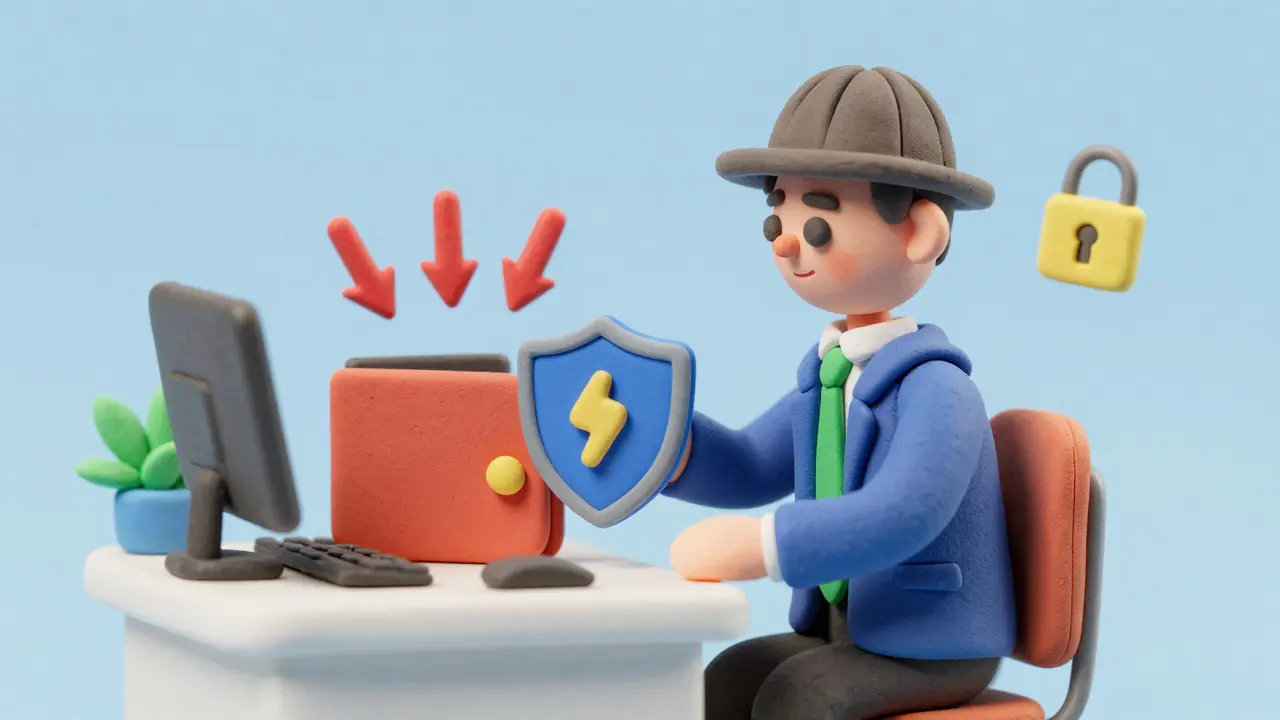
With great rewards come great risks. The rise of airdrops has also led to a surge in scams. According to reports from 2025, 37% of airdrop recipients lost funds to claiming scams. These often involve fake websites that mimic official project portals. When you see an announcement for a new airdrop, never click links from social media posts or unsolicited emails. Always verify the URL through official project channels like their verified Twitter account or Discord server.
Another common pitfall is interacting with smart contracts that request excessive permissions. If a dApp asks for unlimited access to your wallet balance, revoke that permission immediately using tools like Revoke.cash. Additionally, be wary of "gas fee" scams where sites ask you to pay upfront fees to claim free tokens. Legitimate airdrops do not require you to send ETH or SOL to receive them; they only require you to pay the standard network gas fee for the transaction itself.
How to Participate Safely in Future Airdrops
If you want to position yourself for future opportunities, start by engaging with promising protocols early. Look for projects that are in testnet phases or have announced potential token launches. Use dedicated wallets for testing to minimize risk to your main holdings. Track your interactions carefully, as many modern airdrops, like Arbitrum’s, rely on on-chain data to determine eligibility.
Join the project’s community channels. Official Discords and Telegram groups often provide hints about upcoming distributions. However, remember that participation should be driven by genuine interest in the technology, not just the hope of a payout. Projects are increasingly implementing anti-sybil mechanisms to detect bots and fake accounts. Genuine, consistent usage is the best strategy. Finally, stay updated on regulatory changes. The SEC and EU regulators are tightening rules around token distributions, so ensure any project you engage with complies with local laws to protect your assets.
What is a crypto airdrop?
A crypto airdrop is a marketing strategy where blockchain projects distribute free tokens to wallet addresses. Initially used for publicity, modern airdrops now aim to reward early users, decentralize governance, and bootstrap network activity by giving participants a stake in the protocol.
Was the Uniswap airdrop profitable?
Yes, the Uniswap airdrop is considered highly successful. Recipients received 400 UNI tokens, which peaked at over $42 each. Even years later, UNI retains significant value compared to its launch price, making it one of the most reliable airdrops in history.
Why did Apecoin lose so much value?
Apecoin relied heavily on the hype surrounding NFTs, particularly the Bored Ape Yacht Club. As the NFT market cooled and the project failed to establish strong utility for the token beyond brand association, demand plummeted, causing the price to drop by 99% from its all-time high.
How do I qualify for future airdrops?
To qualify, you typically need to interact with a protocol before it launches its token. This includes swapping tokens, providing liquidity, bridging assets, or participating in testnets. Use a dedicated wallet to track these activities and engage genuinely with the platform to avoid being flagged as a bot.
Are airdrops safe?
Participating in airdrops carries risks, primarily from scams. Phishing sites and malicious smart contracts can drain your wallet. Always verify URLs, never share your private keys, and use reputable tools to check contract safety. Legitimate airdrops will never ask for your seed phrase.
Ruben Michel
May 21, 2026 AT 20:34It is truly disheartening to observe the continued proliferation of such elementary misunderstandings regarding market mechanics within this discourse. The notion that one might derive sustained wealth from these ephemeral digital trinkets is, quite frankly, absurd. I have long maintained that the majority of participants in this so-called 'revolution' are merely engaging in a sophisticated form of gambling, devoid of any intellectual rigor. One must possess a certain level of sophistication to appreciate the nuances of tokenomics, and unfortunately, that appears to be in short supply here. The Uniswap example you cite is not a testament to utility, but rather a lucky anomaly in an otherwise chaotic landscape. To suggest that rewarding early adopters creates loyalty is a naive interpretation of human behavior; it creates speculation. Furthermore, the inclusion of Pi Network in a serious analysis is an embarrassment to anyone with a basic understanding of cryptography. It serves only to highlight the desperation of projects that cannot compete on merit. We should strive for higher standards of discussion than this.
Gavin Wonnacott
May 22, 2026 AT 22:07I honestly don't care about your elitist rant, Ruben. You're just mad because you probably missed out on the easy money while sitting in your ivory tower analyzing charts. Look, the point isn't whether it's 'intellectual' or not. The point is that people made life-changing amounts of money. Do you think those guys who got $17k UNI cared about your 'sophistication'? No. They clicked a button and got rich. That's the reality. And yeah, maybe Pi is trash, but at least they tried to build something instead of just hoarding value like some old guard institution. Your tone is exhausting and completely misses the forest for the trees. If you can't handle the chaos, maybe crypto isn't for you. But don't pretend you're above it all when you're still reading about it.
Samara McCallum
May 24, 2026 AT 16:03i mean... isnt it funny how we treat money like its real? like uniswap or ape coin were actual things. theyre just numbers on a screen that we agreed to pretend had value. and then when the agreement ends poof. gone. its kind of beautiful in a tragic way really. like watching a soap opera where everyone knows its fake but keeps crying anyway. i liked the part about bonk though. dropping 99.99% is basically returning to zero which is where it started. full circle. makes me wonder if we ever really leave zero. or if we just borrow time from our future selves to feel important now. anyway thanks for sharing this history lesson. felt nice.
Sheldon Friesen
May 24, 2026 AT 19:37Oh, wow! What a perspective! Samara, you really know how to make us question the fundamental nature of existence, don't you?! It’s almost as if money is a social construct, much like the comments section itself! But let’s bring it back to earth for a second, shall we? Because while philosophy is great, losing 99% of your portfolio is not exactly a 'full circle' moment-it’s more of a freefall! I’m here to support you all in your journey, even if that journey involves staring into the abyss of meme coins! Just remember: safety first! Don’t click shady links! Use hardware wallets! Revoke permissions! These aren't just tips; they’re lifelines! So, keep dreaming, keep questioning, but please, for the love of Satoshi, keep your private keys safe! You’ve got this!
Tricia Alach
May 26, 2026 AT 04:56hey sheldon i totally get what u r saying abt safety. its scaring how many ppl lose their stuff to scams. i rember reading bout that 37% stat and my jaw dropped. like seriously? almost half of them? its crazy. i think the main thing is just being careful. dont trust strangers online. check urls twice. use revoke.cash as u said. its a good tool. also dont forget that just cuz somethin looks legit doesnt mean it is. the hyperliquid one seems cool tho. decentralized launch is smart. makes me feel better about the future. maybe we r learnin finally. hopefullly next time we wont lose everything lol. ty for the advice!