Algeria Crypto Ban: How the 2018 Financial Law Led to a Total Prohibition in 2025
 Oct, 25 2025
Crypto Penalty Calculator
Understand Your Risk
Calculate potential consequences under Algeria's 2025 crypto prohibition law. The law criminalizes possession, trading, mining, and even discussing cryptocurrencies.
Potential Consequences
Algeria didn’t just discourage cryptocurrency-it made it illegal to even own it. By 2025, the country had turned its 2018 Financial Law restrictions into a full criminal ban, targeting not just trading, but possession, promotion, and even education about digital assets. This isn’t a case of weak regulation. It’s a total shutdown.
What the 2018 Financial Law Actually Did
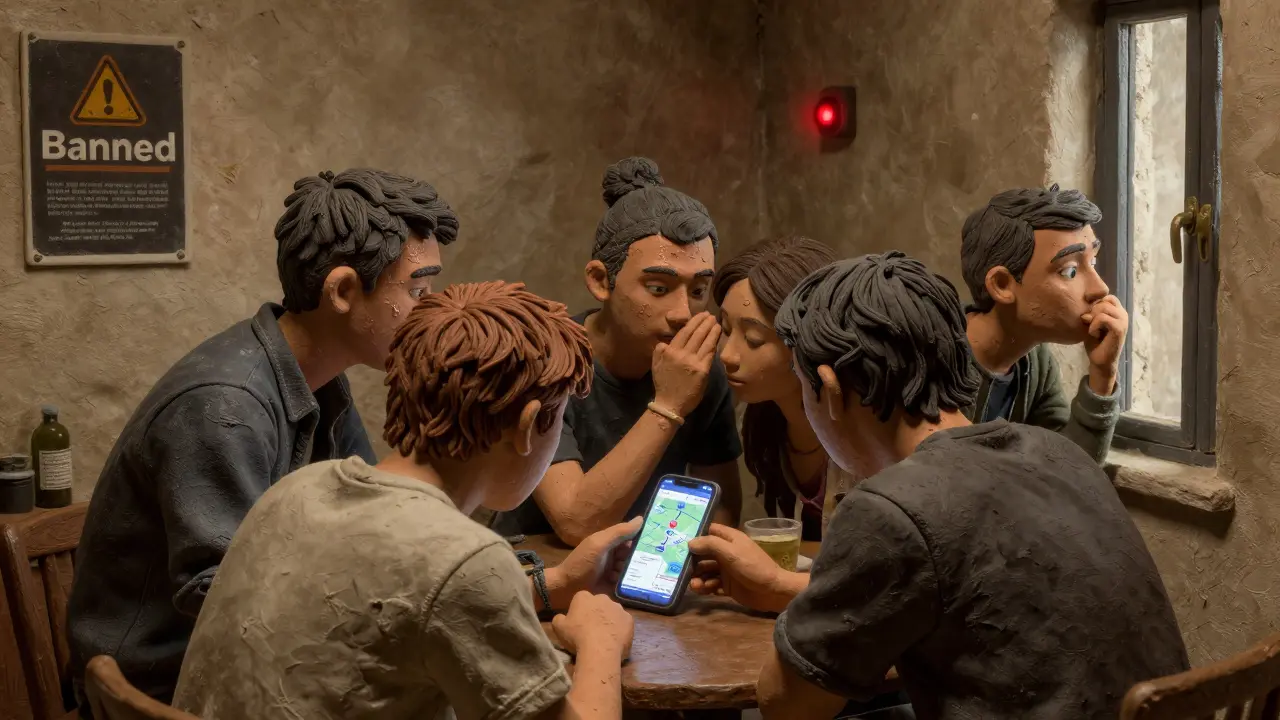
The 2018 Financial Law was Algeria’s first official move against cryptocurrency. It said virtual currencies couldn’t be used as payment, bought, or sold within the country. But here’s the catch: it didn’t say what would happen if you broke the rule. No fines. No jail time. No clear enforcement plan. That left a gray zone. Many Algerians kept using Bitcoin and other coins anyway, especially as inflation rose and access to foreign currency became harder. Banks didn’t allow crypto transactions, but peer-to-peer trading, crypto ATMs, and offshore exchanges kept the market alive quietly.The law was vague on purpose. It was a warning, not a weapon. Authorities didn’t arrest people for holding Bitcoin. They didn’t shut down Telegram groups talking about Ethereum. The message was: ‘Don’t make it official.’ But for many, that was enough. Crypto became a workaround for financial isolation.
The 2025 Law That Changed Everything
On July 24, 2025, everything changed. Algeria passed Law No. 25-10, published in the Official Journal. This wasn’t an update. It was a revolution. The new law didn’t just ban transactions-it banned everything related to cryptocurrency.Now, it’s illegal to:
- Buy, sell, or trade any digital asset
- Possess cryptocurrency in any wallet, even if you never traded it
- Use crypto to pay for goods or services
- Mine Bitcoin or any other coin using your computer or rig
- Create new tokens or launch a blockchain project
- Run or advertise a crypto exchange
- Post about crypto on social media, YouTube, or blogs
- Teach or explain how blockchain works in public forums
The law doesn’t care if you’re a trader, a developer, or just someone who bought $50 worth of Litecoin in 2020 and forgot about it. If you have it, you’re breaking the law.
Penalties Are Harsh-and Universal
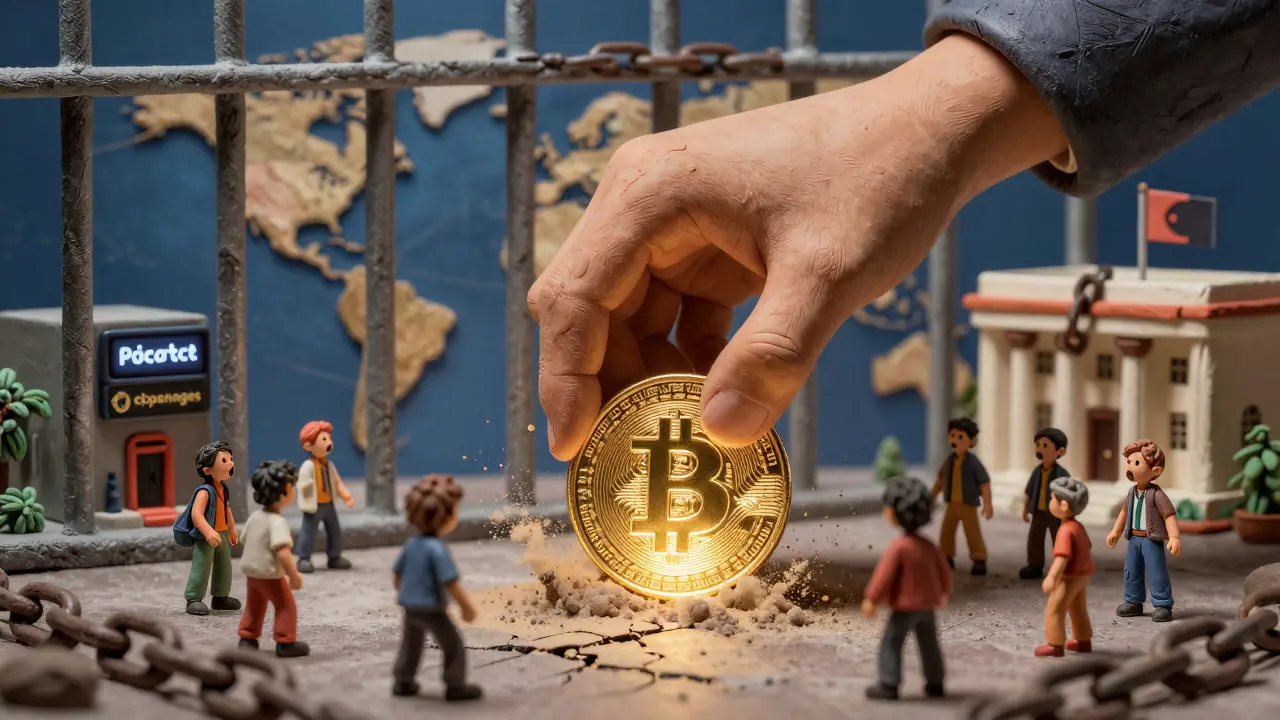
The punishment for any of these actions? Two months to one year in prison. Fines between 200,000 and 1,000,000 Algerian dinars-roughly $1,540 to $7,700 USD. These aren’t warnings. They’re real sentences. And they apply to everyone equally.There’s no distinction between a small-time holder and a large-scale operator. A student who downloaded a crypto wallet to learn about blockchain faces the same risk as someone running an underground exchange. Even influencers who posted ‘Why I’m Buying Bitcoin’ videos now risk prosecution. The law doesn’t ask for intent. It only asks: Did you interact with crypto? If yes, you’re guilty.
Why Algeria Went So Far
The government says it’s protecting the Algerian Dinar. They claim crypto threatens monetary sovereignty. That’s the official line. But the real reasons run deeper.Algeria’s economy relies heavily on oil and gas exports. When global prices drop, the government struggles to keep the Dinar stable. Cryptocurrency, with its borderless nature, lets people bypass state-controlled banking and access foreign value. That’s a direct threat to control.
Then there’s money laundering. Algeria is under pressure from the Financial Action Task Force (FATF) to tighten anti-crime controls. Crypto’s anonymity made it an easy target for blame. Instead of building monitoring tools, they chose to erase the problem entirely.
Energy use is another excuse. Mining Bitcoin consumes power. Algeria subsidizes electricity, and the state doesn’t want its grid drained by people running rigs. But mining in Algeria was never widespread. The real issue wasn’t energy-it was control.
Who’s Enforcing This?
It’s not just one agency. The Bank of Algeria, the Banking Commission, police, prosecutors, and digital surveillance units all work together. Banks are required to flag any suspicious activity-even if it’s just a transfer to a known crypto exchange. Social media platforms are monitored for crypto-related content. Even foreign websites promoting crypto are blocked.Authorities don’t need a warrant to investigate wallet addresses linked to Algerian IP addresses. If you’re seen using a VPN to access Binance or Coinbase, that’s enough to trigger an investigation. The system is built for mass surveillance, not targeted enforcement.
How This Compares to the Rest of the World
While Algeria shuts down crypto, most countries are trying to regulate it. The European Union passed MiCA to bring crypto into the legal financial system. The UAE and Bahrain welcome crypto firms with tax breaks and licenses. Even China, often seen as strict, allows blockchain research and has a digital yuan pilot. The U.S. is tightening rules but still lets people trade.Algeria is in a tiny group with countries like Egypt and Nigeria (which banned crypto banking but didn’t criminalize holding). But Algeria goes further. It bans possession. That’s rare. Only a handful of nations do that-and none with the same level of enforcement.
What Happened to Algeria’s Crypto Community?
Before 2025, Algeria had a quiet but growing crypto scene. People used it to send money to family abroad, protect savings from inflation, or invest when banks offered near-zero interest. There were local meetups, Telegram groups, and even a few crypto ATMs in Algiers.After the 2025 law, everything went dark. Wallets were deleted. Exchanges were abandoned. Social media posts about crypto disappeared overnight. Some users moved to cash-based peer-to-peer deals, but even that’s risky now. The fear of arrest is real. Many who held crypto for years lost everything. There’s no legal way to sell or convert. The assets are frozen-literally and legally.
The Bigger Picture: Is This Sustainable?
The question isn’t whether the law is strict. It’s whether it works.Algeria’s ban is total. But the internet isn’t. People still access crypto through foreign servers, encrypted apps, and decentralized networks. Teaching someone how to use a wallet isn’t easy to stop. And if inflation keeps rising, the pressure to find alternatives will grow.
Right now, the ban is enforced through fear. But fear doesn’t stop technology. It just drives it underground. The government may think it’s winning. But in five years, when the world is even more digital, Algeria could find itself cut off from global financial innovation-not because crypto is dangerous, but because it chose to outlaw the future.
What This Means for Algerians Today
If you’re in Algeria, the message is simple: don’t touch crypto. Not to trade. Not to learn. Not even to hold. The law doesn’t care about your reasons. It doesn’t matter if you’re trying to protect your savings or just curious. The penalty is the same.There’s no grandfather clause. No amnesty. No safe harbor. The 2018 law was a warning. The 2025 law is the execution.
Ziv Kruger
December 4, 2025 AT 17:48This isn't just a ban-it's a surrender to fear. Governments don't outlaw technology because it's dangerous. They outlaw it because they can't control it. Algeria's elite built their power on centralized money, and crypto doesn't care about borders, bribes, or bank accounts. The real crime here isn't holding Bitcoin-it's admitting you've lost the future and decided to bury it instead.
They think shutting down wallets will stop ideas. But knowledge doesn't need a server. It lives in minds. And once you teach someone how to think for themselves, no law can unlearn that.
Marsha Enright
December 5, 2025 AT 05:54Man, this is so sad. I know people in Algiers who used crypto to send money to relatives overseas-no crazy fees, no waiting weeks. Now they’re scared to even Google ‘blockchain’. 😔
It’s not about inflation or energy-it’s about control. And when a government fears its own people having financial freedom, that’s when you know something’s broken. Stay safe out there, Algeria. We see you.
Althea Gwen
December 6, 2025 AT 12:45So… they banned crypto? Cool. I guess now we all just go back to bartering goats and handwritten IOUs. 🤡
Meanwhile, the rest of the world is building space blockchain startups. Algeria’s out here making ‘Crypto: The Movie’ where the villain is a guy with a wallet. 🎬
Rod Filoteo
December 8, 2025 AT 07:58Y’all think this is about money? Nah. This is the deep state. The CIA’s been pushing this for years-crypto’s a Trojan horse for globalist surveillance. They don’t want you to own anything. Not your money. Not your data. Not your thoughts.
And now they’re using ‘money laundering’ as an excuse to turn every citizen into a suspect. You think your phone ain’t watching you? You think your WiFi ain’t reporting you? You’re already on a list. They’re just waiting for you to open that wallet.
They’ll come for your laptop next. Then your smart fridge. Then your toaster. They’re coming. And you didn’t even see it comin’.
Also, ‘mining’? Bro, that’s just running your PC. They’re scared of people using electricity. Or worse-thinking for themselves. 🤫
Bhoomika Agarwal
December 9, 2025 AT 09:02Good. Let them rot in their digital prison. Algeria doesn’t need some Western crypto bros telling us how to live. Our dinar is sacred. Our sovereignty is sacred. And if you think a dumb coin from some hacker basement is worth more than your own country’s economy-you’re the real traitor.
They call it ‘ban’? No. It’s liberation. From the greed of the global elite. From the chaos of unregulated chaos. From the lies of ‘decentralization’-which just means ‘no one’s in charge, so everyone’s robbed’.
Let them cry in their encrypted wallets. We have oil. We have pride. We have dignity. And we don’t need your digital glitter to feel rich.