Bank of Namibia Crypto Policy: What the 2023 Virtual Assets Act Means for You
 Oct, 8 2026
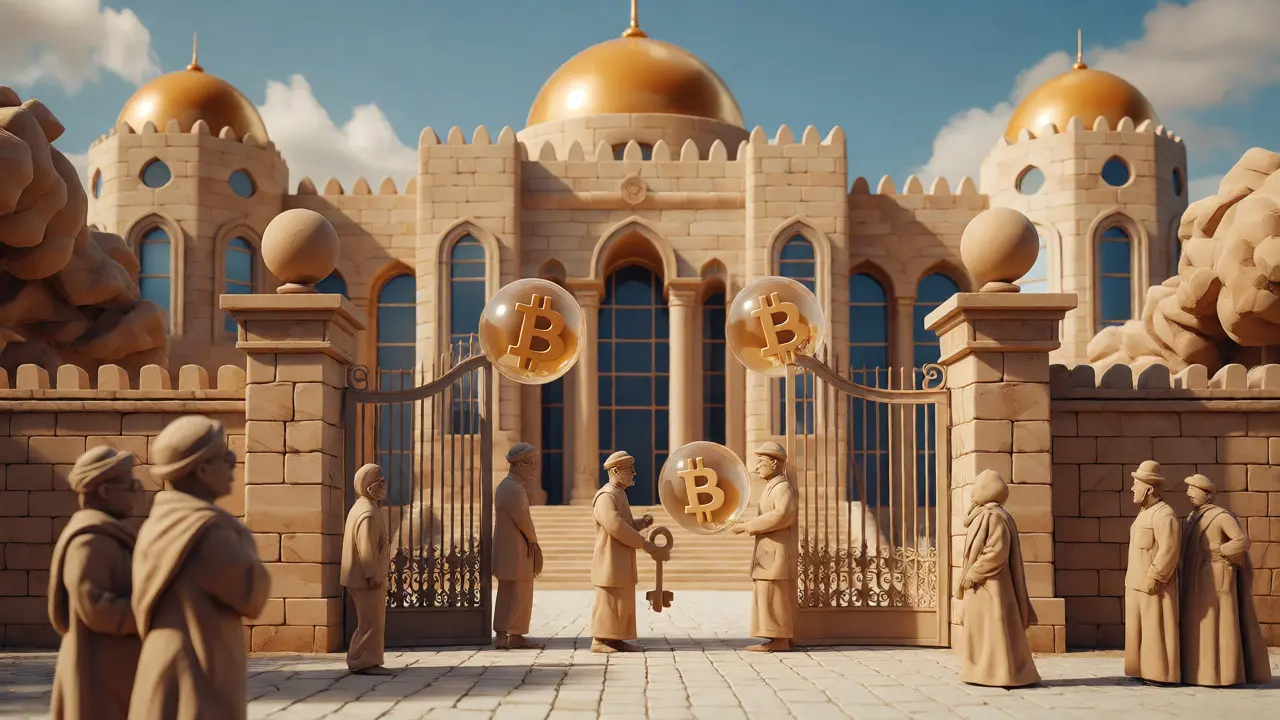
If you’ve ever tried to buy Bitcoin in Windhoek, you know it’s a bit like walking through a minefield. On one hand, people are trading it. On the other, the central bank has spent years saying, "We don’t really like this." But things have changed. The Bank of Namibia is no longer just watching from the sidelines; they’ve built a fence around the playground and handed out keys to a few select players.
This isn’t about banning crypto anymore. It’s about controlling who gets to sell it to you. As of late 2025, the landscape in Namibia is defined by two major laws passed in 2023: the Virtual Assets Act and the Payment System Management Act. These aren’t just paperwork exercises. They determine whether your local exchange is legal or if you’re risking your funds with an unlicensed operator. Let’s break down what this actually means for traders, merchants, and anyone curious about digital money in Namibia.
The Shift from Ban to Regulated Sandbox
Back in 2018, the Bank of Namibia (BON) was blunt. They stated they did not recognize cryptocurrencies as commodities and didn’t support their trading on domestic markets. Fast forward to today, and that hardline stance has softened into something more nuanced. BON now acknowledges that while cryptocurrencies are not legal tender, merchants can accept them at their own risk.
This shift culminated in June 2023 when Namibia’s National Assembly passed the Virtual Assets Act. This law created a formal regulatory framework for Virtual Asset Service Providers (VASPs). Instead of leaving the market in a gray zone, BON decided to regulate it strictly. The goal? To prevent money laundering and protect consumers without completely killing innovation.
But here’s the catch: getting licensed isn’t instant. BON introduced a "regulatory sandbox" approach. New companies must first get provisional authorization. During this six-month period, they can set up shop, hire staff, and install software, but they cannot serve customers. Think of it as a probationary period where the regulator checks if you’re ready before letting you touch real money.
Who Can Trade Crypto in Namibia?
If you’re looking to trade, you need to know who is allowed to offer these services. Under the new rules, only entities registered with the Namibia Financial Institutions Supervisory Authority (NAMFISA) and authorized by BON can operate legally. Foreign exchanges that don’t have a physical presence in Namibia are effectively banned from offering services to Namibians.
This is a big deal. If you’re using a global platform that doesn’t have a local license, you might be operating outside the protective umbrella of Namibian law. BON granted provisional authorizations to four entities in January 2025, including Mindex Virtual Asset Exchange and Landifa Bitcoin Trade CC. These companies are currently in the testing phase. Until they receive full approval, they are restricted in how they interact with the public.
Why so strict? BON wants to ensure that any company holding your money has proper anti-money laundering (AML) controls. They’re tired of seeing shady operators pop up, take deposits, and disappear. By forcing companies to prove their infrastructure works before going live, they aim to reduce fraud.
Key Rules You Need to Know
The regulations aren’t just bureaucratic hurdles; they have specific technical requirements that affect how transactions work. Here are the most critical ones:
- No Legal Tender Status: Cryptocurrencies are not official money. You can’t force someone to pay you in Bitcoin, and you can’t use it to settle debts unless both parties agree.
- The Travel Rule: For transactions over NAD 20,000 (roughly USD 1,000), exchanges must collect and share sender and receiver details. This includes names, ID numbers, and account info. It’s designed to track large flows of value.
- Local Presence Required: VASPs must be based in Namibia. This eliminates many offshore exchanges that previously served Namibian users without oversight.
- ICO Restrictions: BON explicitly discourages Initial Coin Offerings (ICOs). They view ICOs as high-risk ventures prone to fraud and manipulation. Don’t expect BON to endorse a new token sale anytime soon.
These rules align Namibia with international standards, particularly those set by the Financial Action Task Force (FATF). While this adds friction for users, it adds credibility for investors. It signals that Namibia is serious about integrating digital assets into its financial system safely.

Namibia vs. Other African Nations
How does Namibia stack up against its neighbors? The continent is split. Nigeria banned banks from facilitating crypto transactions. South Africa requires registration but allows more flexibility. Kenya has largely left the market alone. Namibia sits somewhere in the middle-cautious but constructive.
| Country | Legal Status | Regulator Approach | Key Restriction |
|---|---|---|---|
| Namibia | Regulated, Not Legal Tender | Licensing via NAMFISA/BON | 6-month sandbox before operation |
| Nigeria | Banned for Banks | Restrictive | Banks cannot service crypto firms |
| South Africa | Regulated | FSCA Registration | Strict AML compliance required |
| Ghana | In Development | Planning Comprehensive Law | Targeting full regulation by late 2025 |
| Botswana | Prohibited | Complete Ban | Crypto trading is illegal |
Namibia’s approach is unique because of the mandatory waiting period. In Mauritius, you can start operating immediately under supervision. In Namibia, you wait. This delays revenue for businesses but protects consumers during the setup phase. It’s a trade-off between speed and safety, and BON has clearly chosen safety.
The Central Bank Digital Currency (CBDC) Angle
While BON regulates private crypto, they’re also exploring their own digital currency. This is called a Retail Central Bank Digital Currency (rCBDC). Unlike Bitcoin, which is decentralized, an rCBDC would be issued directly by the Bank of Namibia. It would function like digital cash, backed by the government.
Why bother? Financial inclusion. Many Namibians still rely on cash because they lack access to traditional banking. An rCBDC could allow them to make payments via mobile phones without needing a bank account. BON has been working with the IMF to assess the pros and cons of this technology. They’re looking at how it could modernize cross-border payments and reduce reliance on physical cash.
It’s important to distinguish this from crypto. Your e-Namibian Dollar (if it launches) won’t fluctuate in value like Bitcoin. It will be stable, pegged 1:1 to the physical Namibian Dollar. This makes it safer for everyday purchases but less attractive for speculation.

What This Means for Traders and Merchants
If you’re a trader, your options are narrowing. You’ll likely need to use locally licensed platforms. Expect higher fees due to compliance costs, but also better protection. If an exchange fails, there’s a regulator you can complain to. That wasn’t true five years ago.
For merchants, accepting crypto is optional. You can choose to take Bitcoin or Ethereum, but you do so at your own risk. If the value drops before you convert it to Namibian Dollars, you lose money. BON won’t bail you out. Also, keep detailed records. The Travel Rule means large transactions are tracked. Tax authorities may eventually demand proof of how you valued those assets.
One common mistake is assuming that because BON hasn’t banned you from holding crypto, they encourage it. They don’t. Their position paper warns against ICOs and highlights risks like fraud and volatility. Treat crypto as a speculative asset, not a savings account.
Future Outlook: Where Is Namibia Heading?
The next few years will test BON’s framework. Will the licensed VASPs successfully transition from sandbox to full operation? Early signs show some delays, with extensions granted to initial applicants. This suggests the compliance bar is high. Companies struggling to meet technical requirements might drop out, leaving a smaller, more robust market.
There’s also pressure from the U.S. Department of State, which noted BON’s "reluctance" to embrace blockchain tech broadly. However, this reluctance might be strategic. By moving slowly, BON avoids the chaos seen in other emerging markets. If they launch an rCBDC alongside regulated crypto exchanges, Namibia could become a model for balanced digital finance in Southern Africa.
For now, stay informed. Check the Bank of Namibia website regularly for updates on VASP licenses. If you’re planning a large transaction, verify that your provider is fully authorized, not just provisionally approved. The days of wild-west crypto trading in Namibia are ending. Welcome to the era of regulated digital assets.
Is Bitcoin legal tender in Namibia?
No, Bitcoin and other cryptocurrencies are not legal tender in Namibia. The Bank of Namibia maintains that virtual assets do not have legal tender status. However, merchants and buyers can voluntarily agree to use them for payments at their own discretion.
Can I buy crypto from foreign exchanges in Namibia?
The Virtual Assets Act bans crypto-exchanges not based in Namibia from offering services to local residents. You should use VASPs that are licensed or provisionally authorized by the Bank of Namibia and registered with NAMFISA to ensure compliance.
What is the Travel Rule in Namibia's crypto policy?
The Travel Rule requires Virtual Asset Service Providers to collect and share sender and receiver information (such as names and ID numbers) for transactions exceeding NAD 20,000 (approximately USD 1,000). This helps combat money laundering and terrorist financing.
Are Initial Coin Offerings (ICOs) allowed in Namibia?
The Bank of Namibia does not advocate or support public engagement in ICOs. They cite high risks of fraud, manipulation, and misrepresentation associated with such offerings. There is no formal framework encouraging ICOs under current regulations.
How long does it take to get a crypto license in Namibia?
Entities must undergo a provisional authorization period of six months. During this time, they can set up infrastructure but cannot conduct business with the public. Full operational licensing is granted after BON verifies compliance with all conditions.