BarterDEX Review: The Atomic Swap Exchange That Became AtomicDEX
 Aug, 6 2026
Have you ever tried to trade Bitcoin for Litecoin without handing your coins over to a centralized company? If you are looking for BarterDEX, a decentralized cryptocurrency exchange developed by Komodo Platform that enabled peer-to-peer trading via atomic swaps before being rebranded to AtomicDEX in 2019, you might be surprised to find out it doesn't exist anymore. At least, not under that name. BarterDEX was the pioneering engine behind one of the most unique trading experiences in crypto history, but if you want to use its technology today, you need to know what happened to it and how to access its successor.
The Short Version: BarterDEX Is Now AtomicDEX
If you just want the bottom line, here is what you need to know:
- BarterDEX is discontinued. It was fully rebranded to AtomicDEX in July 2019.
- The technology remains active. AtomicDEX continues to operate using the same atomic swap protocol that made BarterDEX famous.
- No KYC required. You never had to verify your identity on BarterDEX, and you don't have to on AtomicDEX either.
- Fees were low. Takers paid 0.15%, while makers paid 0%.
- It is for advanced users. The interface was complex, and the learning curve was steep compared to exchanges like Coinbase or Binance.
So, why does this matter? Because BarterDEX proved that you could trade across different blockchains-like swapping Bitcoin for Zcash-without trusting a middleman. That concept is still alive, but you have to look for it under the new brand name.
What Was BarterDEX?
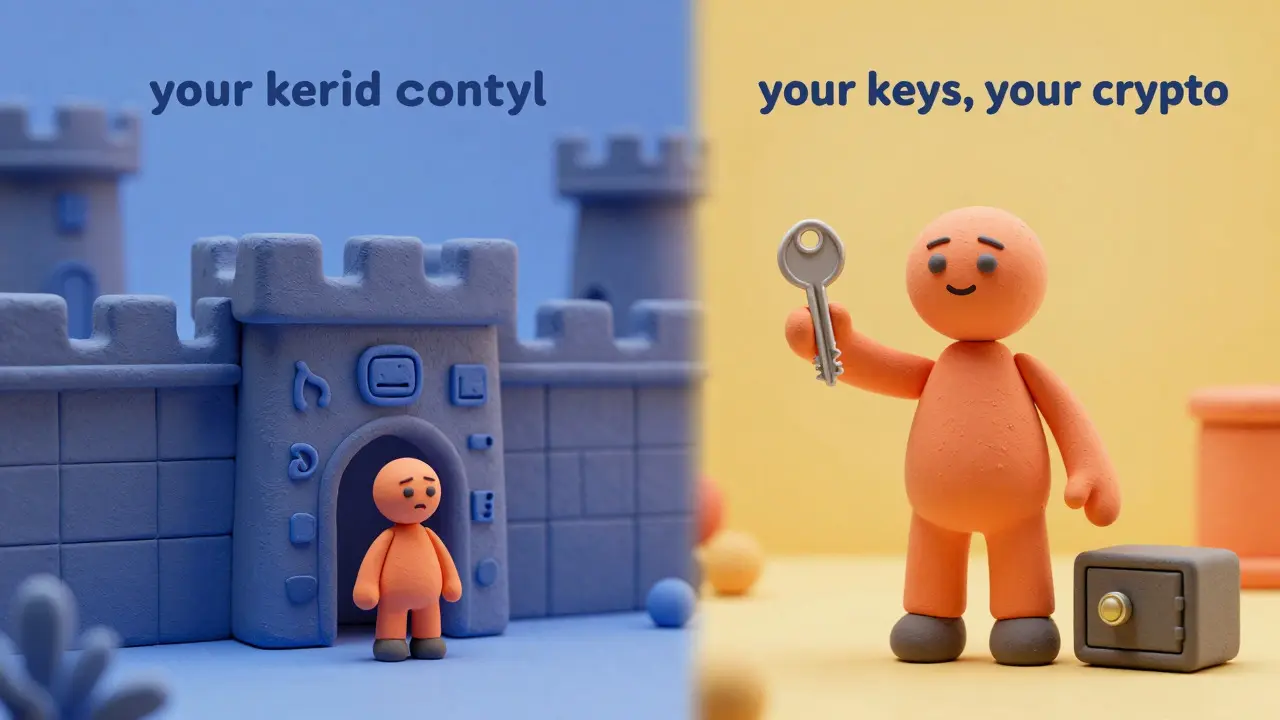
To understand where we are going, we have to look at where we started. Launched initially as EasyDEX in 2016 and renamed BarterDEX in 2017, the platform was built by the Komodo Platform, a blockchain ecosystem focused on interoperability and privacy features for decentralized applications. Unlike typical exchanges where you deposit funds into a wallet controlled by the company, BarterDEX was non-custodial. This means your private keys never left your device. You held the assets; the exchange just facilitated the handshake between two parties.
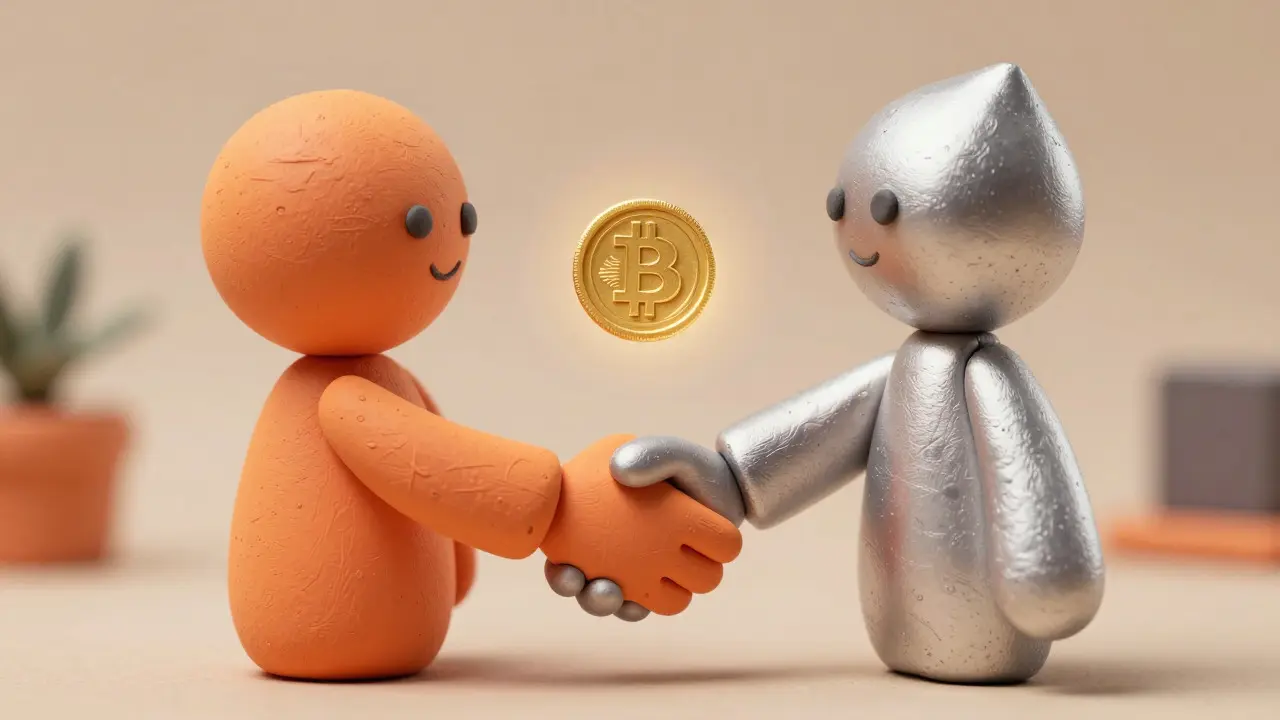
The magic ingredient was atomic swaps, a cryptographic protocol that allows direct exchange of cryptocurrencies between different blockchain networks without a trusted third party. Imagine shaking hands with someone to trade cash for gold. In an atomic swap, the deal is coded so that either both sides get their payment simultaneously, or neither gets anything. There is no risk of one side taking the money and running. This eliminated counterparty risk, which is the biggest fear when dealing with centralized exchanges that can freeze accounts or go bankrupt.
Why Did They Rebrand to AtomicDEX?
In July 2019, Komodo Platform announced that BarterDEX was evolving into AtomicDEX. This wasn't a shutdown; it was an upgrade. The core technology remained the same, but the user experience, security protocols, and supported assets were expanded. AtomicDEX now supports nearly 99% of all existing cryptocurrencies, up from about 95% during the BarterDEX era.
The rebranding signaled a shift from a niche experimental tool to a more robust infrastructure layer for the decentralized finance (DeFi) world. While BarterDEX was known for its raw, technical approach, AtomicDEX aimed to make these complex cross-chain trades slightly more accessible while maintaining the strict non-custodial standard.
How BarterDEX Compared to Centralized Exchanges
When BarterDEX was active, it stood in stark contrast to giants like Coinbase, a major centralized cryptocurrency exchange that requires identity verification and holds user funds in custodial wallets or Kraken. Let's break down the differences because they highlight exactly who BarterDEX was built for.
| Feature | BarterDEX / AtomicDEX | Centralized (e.g., Coinbase) |
|---|---|---|
| Custody | Non-custodial (You hold keys) | Custodial (Exchange holds keys) |
| KYC Required | No | Yes (Mandatory ID verification) |
| Trading Mechanism | Atomic Swaps (P2P) | Order Book (Internal ledger) |
| Fees (Taker) | 0.15% | Up to 3.99% |
| Fiat Support | No (Crypto only) | Yes (USD, EUR, etc.) |
| Security Risk | User responsible for seed phrase | Hack risk on exchange servers |
Notice the fee difference? While Coinbase could charge you nearly 4% for a simple buy order, BarterDEX charged a flat 0.15% for takers and nothing for makers. This was incredibly competitive, especially since the industry average hovered around 0.25%. However, you paid for this low cost and high privacy with complexity. There were no customer support agents to call if you messed up a transaction. If you lost your seed phrase, your money was gone forever.
The Liquidity Problem and How It Was Solved
One of the biggest criticisms of decentralized exchanges (DEXs) is liquidity. If there isn't anyone on the other side of the trade willing to sell you Bitcoin, you can't buy it. On centralized exchanges, the company acts as the market maker. On early DEXs, you often got stuck waiting.
BarterDEX solved this with a clever innovation called Liquidity Nodes, a system within Komodo Platform that automatically buys and sells assets to stabilize prices and ensure trade execution. These nodes acted like automated traders, constantly placing bids and asks in the order books. This meant that even if no human was ready to trade with you instantly, a node likely was. This stabilized prices and reduced slippage, making the experience feel smoother than other DEXs of that era.
Who Should Use AtomicDEX (The Successor)?
Since BarterDEX is gone, you are really asking if AtomicDEX is right for you. Here is the honest truth: it depends on your tech skills.
You should use it if:
- You value privacy above convenience and want to avoid KYC checks.
- You already own cryptocurrency and want to swap obscure altcoins that aren't listed on major exchanges.
- You understand how to back up a 12-word seed phrase and keep it offline.
- You want to trade across chains (e.g., Bitcoin to Ethereum) without wrapping tokens.
You should avoid it if:
- You are a beginner who needs hand-holding or phone support.
- You want to buy crypto directly with a credit card or bank transfer (no fiat on-ramps).
- You prefer a slick, mobile-first app experience over a desktop-focused interface.
Historical data from Komodo's community forums showed that 68% of BarterDEX users had used at least three other exchanges before trying it. It was a tool for veterans, not novices. The learning curve was estimated at 8-10 hours for complete beginners to become proficient. That is a lot of time to spend just figuring out how to push a button.

Security and Privacy: The Double-Edged Sword
The selling point of BarterDEX was security through decentralization. Since there was no central server holding millions of dollars in user funds, hackers had less incentive to target it. Your risk was localized to your own device. However, this also meant you were your own bank.
Privacy was another major draw. Integrated with Jumblr, a privacy-enhancing service within the Komodo ecosystem that mixes transactions to obscure their origin, users could further obfuscate their transaction history. Jumblr charged a small fee (0.3% in KMD tokens), but for those worried about chain analysis firms tracking their movements, it was worth it. In a regulatory environment where the SEC has warned about unregistered securities trading on DEXs, BarterDEX operated in a gray area that appealed to libertarians and privacy advocates alike.
Getting Started with AtomicDEX Today
If you decide to take the plunge into the legacy of BarterDEX, here is how you actually do it in 2026:
- Download the Wallet. You need the Komodo Wallet, a non-custodial software wallet available for Windows, macOS, Linux, Android, and iOS that integrates AtomicDEX trading. Make sure you get it from the official Komodo website to avoid malware.
- Create a New Wallet. Write down your seed phrase on paper. Do not screenshot it. Do not save it in a text file. Store it somewhere safe.
- Fund Your Wallet. Send the cryptocurrency you want to trade directly to your wallet address. Remember, there are no deposits; you are just moving funds to your own custody.
- Navigate to the Trade Tab. Select the pair you want to trade (e.g., BTC/KMD).
- Execute the Swap. Enter the amount and confirm. The atomic swap will initiate. Depending on network congestion, this can take anywhere from a few minutes to over an hour.
Be patient. Atomic swaps require confirmations on multiple blockchains. If the swap fails, the funds are returned to your wallet automatically. That is the beauty of the technology.
Final Thoughts on the BarterDEX Legacy
BarterDEX may be a name from the past, but its impact is present in every atomic swap executed today. It proved that trustless, cross-chain trading was possible at scale. While the user experience remains challenging for the average person, the demand for non-custodial solutions is growing. As regulations tighten on centralized exchanges, platforms like AtomicDEX offer a lifeline for those who want to maintain sovereignty over their digital assets. Just remember: with great power comes great responsibility. Keep your keys safe.
Is BarterDEX still operational in 2026?
No, BarterDEX was rebranded to AtomicDEX in July 2019. The original BarterDEX codebase is no longer actively developed, but its technology lives on in AtomicDEX, which continues to support atomic swaps across thousands of cryptocurrencies.
Do I need to verify my identity (KYC) to use AtomicDEX?
No. Like its predecessor BarterDEX, AtomicDEX is a non-custodial decentralized exchange. You do not need to provide any personal information or government ID to create a wallet or trade. You only need the Komodo Wallet software.
What are the fees for trading on AtomicDEX?
AtomicDEX maintains the fee structure established by BarterDEX: takers pay a 0.15% fee, while makers pay 0%. Additionally, you will pay standard network gas fees for the blockchain transactions involved in the swap, which vary based on network congestion.
Can I buy cryptocurrency with USD on AtomicDEX?
Currently, no. AtomicDEX does not support fiat currency on-ramps. You must already possess cryptocurrency (such as Bitcoin or Komodo) to fund your wallet and begin trading. This is a key difference from centralized exchanges like Coinbase or Kraken.
How does AtomicDEX solve the liquidity problem?
AtomicDEX uses a system called Liquidity Nodes. These are automated bots that continuously place buy and sell orders in the order books. This ensures that there is always a counterparty available for trades, stabilizing prices and reducing the wait time for executing swaps.
Is AtomicDEX safer than centralized exchanges?
It depends on how you define safety. AtomicDEX eliminates the risk of exchange hacks and frozen accounts because you hold your own private keys. However, it places the burden of security entirely on you. If you lose your seed phrase or fall for a phishing scam, your funds are unrecoverable. Centralized exchanges offer insurance and recovery options but carry systemic risk.
What cryptocurrencies does AtomicDEX support?
AtomicDEX theoretically supports 99% of all existing cryptocurrencies. This includes major coins like Bitcoin, Ethereum, and Litecoin, as well as thousands of smaller altcoins that are often unavailable on centralized platforms due to listing requirements.