Bird Finance Airdrop Guide: How to Claim BIRD Tokens
 Oct, 11 2026
Ever felt like you’re chasing ghosts in the crypto world? You hear about an Bird Finance airdrop, rush to connect your wallet, and realize three different projects are using the name "Bird." It’s messy. If you’re here for the Bird Finance DeFi platform, you need to cut through the noise of Birdchain messaging apps and Sui blockchain games. This guide breaks down exactly what the Bird Finance BIRD airdrop entails, how its deflationary mechanics work, and what you actually need to do to qualify.
The Core Problem: Naming Confusion vs. Real Utility
Before you click any link, let’s clarify who we’re talking about. Bird Finance is a decentralized finance (DeFi) platform focused on smart pool functionality and automated lending services. It operates on multiple chains, including Ethereum, Solana, HECO, and OKExChain. Its native governance token is BIRD.
Do not confuse this with:
- Birdchain: A decentralized instant messaging app that ran its own separate airdrop.
- Birds (Sui): A Telegram mini-app game on the Sui blockchain.
If you participated in the wrong one, your tokens won’t show up in your Bird Finance wallet. The distinction matters because the utility differs drastically. Bird Finance is about yield optimization; the others are social or gaming-focused.
How the BIRD Tokenomics Drive Value
Understanding why people want these tokens requires looking at the supply model. Bird Finance uses a hyper-deflationary structure designed to reduce circulating supply over time. Here is the breakdown of the transaction fee mechanism:
| Allocation Target | Percentage | Purpose |
|---|---|---|
| Liquidity Pool | 2% | Adds depth to DEX trading pairs |
| DAO Governance | 2% | Funds community voting and development |
| Holder Reflections | 2% | Distributed proportionally to existing holders |
| Total Fee | 6% | Applied to all BIRD transactions |
Crucially, 50% of the total initial supply was sent to a "blackhole" address upon launch. This means half the tokens were effectively burned immediately. Every subsequent transaction also contributes to burn pressure because the blackhole address holds the largest allocation, so it receives a significant portion of the reflection fees. This creates a scarcity loop: fewer tokens available, potentially higher demand.
Airdrop Eligibility and Participation Steps
The timeline for Bird Finance has been rocky. Initial listings were targeted for late 2024, then pushed to Q1 2025. As of October 2026, if you missed the early waves, check if secondary distributions or ongoing community rewards are active. The standard participation flow for their primary airdrops involved these steps:
- Wallet Connection: Connect a compatible Web3 wallet (like MetaMask) to the official Bird Finance dApp interface.
- Social Verification: Follow Bird Finance on Twitter/X and join their official Telegram group. Bots often verify membership automatically.
- Form Submission: Complete the registration form with your wallet address and social handles.
- Holding Thresholds: Some tiers required holding a minimum amount of BIRD or other designated assets to qualify for larger allocations.
Pro tip: Always verify the URL. Scammers love cloning DeFi sites during high-hype airdrop windows. If the site asks for your private key instead of just connecting a wallet, run away.
The Smart Pool Advantage
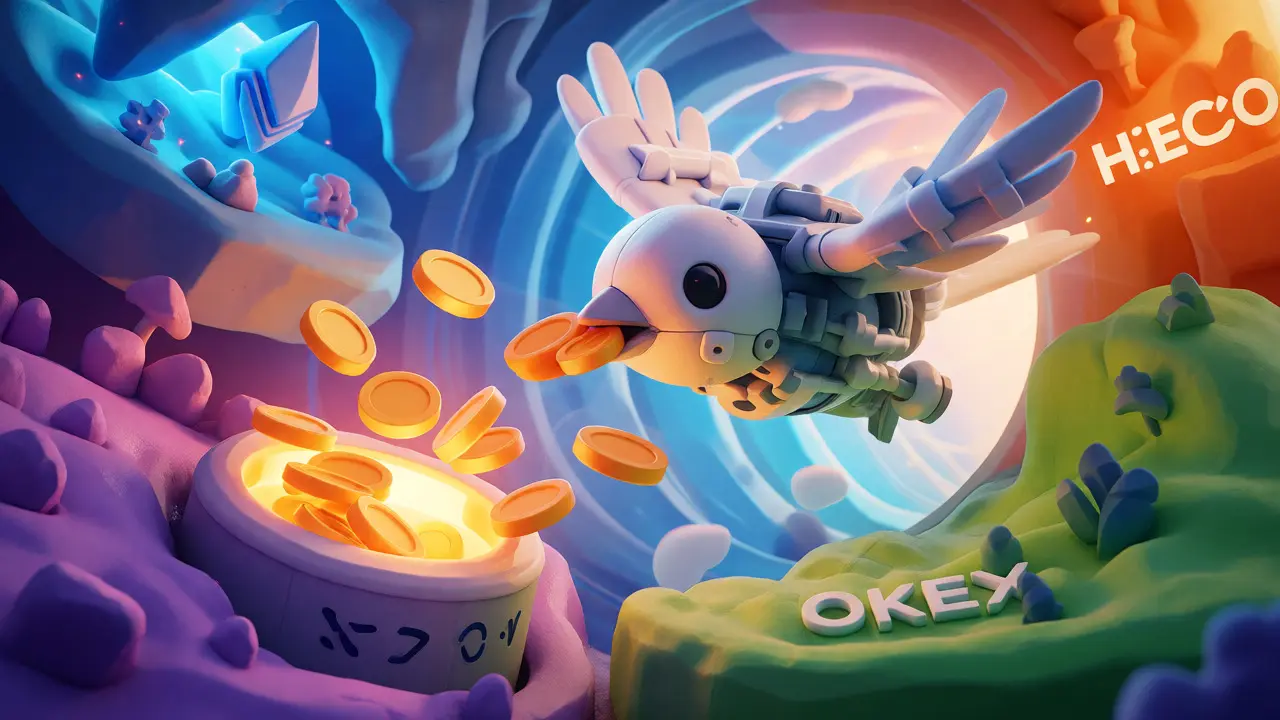
Why hold BIRD? It’s not just for speculation. The platform’s core feature is "Smart Pools." These algorithms automatically move user funds between different mining pools across chains to find the best APY. Instead of manually hopping from Ethereum to Solana when gas fees spike or yields drop, the protocol does it for you.
The process works in four stages:
- Stake principal assets to auto-compound and earn "Btoken."
- Stake Btoken in liquidity pools to earn BIRD.
- Use Btoken to mint NFT cards (which can offer boosts).
- Re-stake Btoken for additional BIRD rewards.
This multi-mining system aims to maximize profit without requiring constant user intervention. For beginners, this removes the stress of tracking complex yield farms. For experts, it offers a passive income stream tied to cross-chain arbitrage opportunities.
Risks and Reality Checks
No airdrop is free money. Bird Finance carries specific risks you should weigh:
Regulatory Uncertainty: DeFi platforms operating across multiple jurisdictions face evolving compliance rules. Delays in listing dates often stem from legal reviews.
Smart Contract Vulnerabilities: While audits exist, no code is perfect. Cross-chain bridges add another layer of risk where hacks frequently occur.
Market Volatility: Deflationary models look great on paper but depend entirely on sustained volume. If trading halts, the reflection mechanism stalls.
Also, be wary of "airdrop farming" bots. During the initial hype, many users created hundreds of wallets to farm tokens. This diluted the value for genuine participants. If you see sudden price dumps after an unlock, it’s likely these farmers cashing out.

Current Status and Next Steps
As of late 2026, the focus has shifted from the initial frenzy to long-term sustainability. Check the official Bird Finance Discord or Telegram for real-time updates on token unlocks. If you held through the volatility, your reflections might still be accumulating.
For new entrants, consider whether the current APY offered by Smart Pools justifies the entry cost. Compare it against stablecoin yields on major exchanges. Sometimes, the safety of a simple USDC savings account beats the complexity of cross-chain DeFi mining.
Frequently Asked Questions
Is Bird Finance the same as Birdchain?
No. Bird Finance is a DeFi lending and yield farming platform. Birdchain is a decentralized messaging application. They have different teams, blockchains, and token utilities, despite similar names.
What is the total supply of BIRD tokens?
The exact circulating supply fluctuates due to the deflationary burn mechanism. However, 50% of the original total supply was permanently removed via transfer to a blackhole address at launch, creating a hard cap reduction from day one.
Which blockchains does Bird Finance support?
Bird Finance operates cross-chain environments including Ethereum, Solana, HECO (Huobi Eco Chain), and OKExChain. Users must ensure they are bridging assets correctly to the supported network before staking.
Why did the airdrop get delayed?
Delays typically result from technical integration challenges, security audits, or regulatory compliance checks. In Bird Finance's case, shifting timelines from late 2024 to 2025 suggested the team prioritized stability over speed.
Can I buy BIRD tokens directly?
Yes, once listed on decentralized exchanges (DEXs) like Uniswap or PancakeSwap, depending on the chain. Liquidity is provided by the 2% tax allocated to the liquidity pool during every transaction.