Crypto Bank Coin (CKN) Airdrop: Details, Risks & How to Verify
 Jun, 20 2026
Have you seen the buzz about the Crypto Bank Coin airdrop? If so, you are not alone. Social media feeds and Telegram groups are flooded with claims that holding or claiming CKN tokens will lead to massive gains. But here is the hard truth: as of mid-2026, there is no verified, official information from major financial outlets or blockchain data providers confirming an active, legitimate airdrop for Crypto Bank Coin (CKN). This silence from authoritative sources is a huge red flag.
In the world of cryptocurrency, if it sounds too good to be true, it usually is. The lack of concrete details about a CKN airdrop in reputable news sources like Cointelegraph or Coinbase suggests one of two things: either the project is extremely early and obscure, or worse, it is a scam designed to steal your funds or personal data. Before you click any links or connect your wallet, you need to understand what CKN actually is, why the information is missing, and how to protect yourself from potential fraud.
What Is Crypto Bank Coin (CKN)?
To evaluate whether an airdrop is worth your time, you first need to know what you are dealing with. Crypto Bank Coin (CKN) is described by its proponents as a platform currency intended for value exchange within a decentralized economy. The pitch is that it facilitates transactions between Crypto Bank companies, employees, customers, and third-party entities.
However, the technical reality looks very different from the marketing hype. Here are the specific attributes of the CKN token based on available blockchain data:
- Total Supply: 1 billion CKN tokens.
- Circulating Supply: Approximately 560,000 CKN tokens.
- Market Status: Listed in "Preview" status on CoinMarketCap, indicating limited trading activity or verification issues.
- Current Price: $0 USD.
- 24-Hour Volume: $0 USD.
- Contract Address: 0xE316...a954Ad (Ethereum-based).
The most striking detail here is the supply gap. With only 560,000 tokens out of 1 billion in circulation, roughly 99.94% of the tokens are locked, reserved, or held by insiders. This structure is common in many projects, but when combined with a $0 price and zero volume, it suggests the token has no established market value yet. An airdrop in this context would likely distribute tokens that currently have no liquid value.
Why There Are No Official Airdrop Details
You might wonder why you cannot find a simple guide on how to claim CKN tokens. I searched through every major crypto resource, including Business Insider, CoinDesk, and specialized airdrop trackers. The result? Zero mentions of an official Crypto Bank Coin airdrop.
This absence of information is critical. Legitimate airdrops from established projects-like EigenLayer or even popular Telegram games like Notcoin-are heavily documented. They have clear rules, snapshot dates, and official announcements. The silence around CKN implies that:
- No Official Campaign Exists: The project may not have launched a public distribution phase yet.
- It Is Unverified: The token is in "Preview" status, meaning it hasn't passed rigorous listing criteria on major exchanges.
- Scam Risk: Many fake airdrops use the names of real-sounding projects to trick users into connecting their wallets to malicious smart contracts.
If you see a website claiming to offer free CKN tokens, ask yourself: Where is the announcement on their official Twitter? Where is the thread on their Discord? If the answer is "nowhere," do not proceed.
How Crypto Airdrops Actually Work
Understanding the mechanics of legitimate airdrops helps you spot fakes. Generally, there are three types of distributions you should know about:
| Airdrop Type | How It Works | Risk Level |
|---|---|---|
| Bounty Airdrop | Users complete tasks like following social media accounts, joining Telegram groups, or sharing posts. | Medium (Time-consuming, potential phishing) |
| Holder Airdrop | Tokens are sent to wallets that hold a specific cryptocurrency at a certain "snapshot" time. | Low (Passive, but requires existing holdings) |
| Exclusive Airdrop | Reserved for early developers, testers, or highly active community members. | High (Often targeted scams) |
For CKN, if an airdrop were real, it would likely fall into the Bounty category, asking you to promote the brand. However, without official verification, these "tasks" are often just ways for scammers to harvest your social media connections or get you to sign malicious transactions.
Red Flags: Is the CKN Airdrop a Scam?
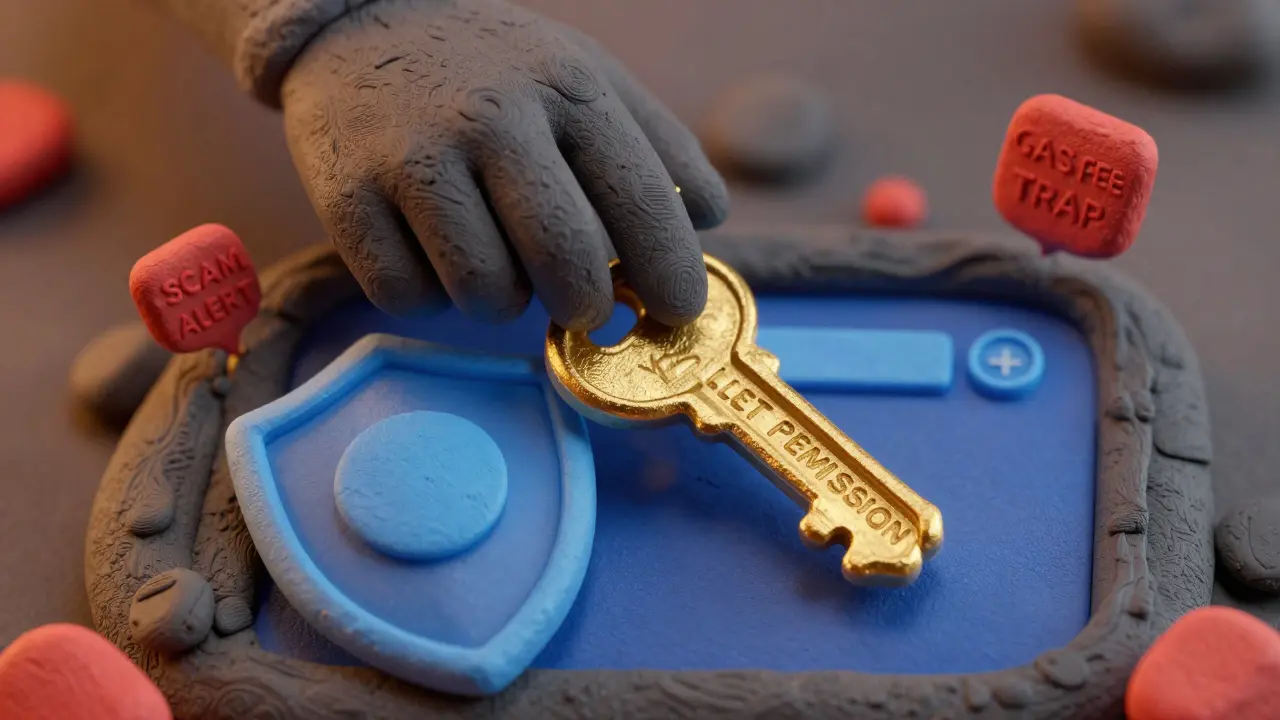
Let’s be direct. The combination of a $0 price, preview status, and lack of news coverage makes CKN a high-risk asset. Here are the specific warning signs you need to watch for:
- "Connect Wallet" Prompts: Never connect your main wallet (like MetaMask or Phantom) to an unverified site claiming to give away free tokens. Malicious sites can drain your entire balance.
- Requests for Gas Fees: Legitimate airdrops are free. If a site asks you to pay a small fee to "claim" your CKN tokens, it is a scam. You will lose the fee and get nothing.
- Pressure Tactics: Phrases like "Limited spots remaining" or "Claim before midnight" are psychological tricks to make you act without thinking.
- Unofficial Channels: If the only place you hear about the airdrop is a random YouTube comment or a DM from a stranger, ignore it.
Remember, the goal of many fake airdrops is not to give you worthless tokens, but to gain access to your wallet permissions. Once connected, they can approve transfers of your other valuable assets, such as ETH or USDT.
Safety First: How to Protect Yourself
If you are still curious about CKN and want to investigate further, follow these strict safety protocols. These steps apply to any unknown crypto project:
- Use a Burner Wallet: Create a separate, empty wallet specifically for interacting with new or unverified projects. Never use your primary wallet where you store significant funds.
- Verify Contract Addresses: Check the official contract address (0xE316...a954Ad) on Etherscan. Look at the holder distribution. If one wallet holds 90% of the supply, it is a honeypot risk.
- Check Official Sources Only: Go directly to the project's official website (if it exists) and their verified social media handles. Do not click links from third-party blogs or ads.
- Revoke Permissions: After interacting with any new site, use tools like Revoke.cash to remove any spending approvals you may have accidentally granted.
These precautions might seem tedious, but they are the difference between staying safe and losing thousands of dollars. In the crypto space, security is your responsibility, not the project's.

Alternative Opportunities in 2026
Since the CKN airdrop lacks credibility, where should you focus your attention instead? The crypto landscape in 2026 offers several well-documented, safer opportunities for those interested in airdrops and new tokens.
Consider looking into established ecosystems like Ethereum Layer 2 solutions or restaking protocols like EigenLayer, which have transparent roadmaps and active development communities. Additionally, Telegram-based mini-apps on the TON blockchain, such as Notcoin or DOGS, have provided legitimate entry points for users to earn tokens through gameplay and engagement. These projects have clear rules, large communities, and verifiable track records.
Instead of chasing shadows with obscure tokens like CKN, invest your time in learning about DeFi basics, wallet security, and how to read smart contracts. This knowledge will serve you far better than any single airdrop.
Conclusion: Wait and Verify
The bottom line is simple: there is no verified evidence of a legitimate Crypto Bank Coin (CKN) airdrop at this time. The token itself shows signs of being in early, unproven stages with no market liquidity. Participating in unofficial claims carries a high risk of encountering scams or wasting time on worthless assets.
Exercise extreme caution. Do not connect your wallet to unknown sites, do not pay fees to claim "free" tokens, and always verify information through multiple trusted sources. In crypto, patience and skepticism are your best defenses. Until CKN provides transparent, official documentation and achieves legitimate market traction, it is wise to stay on the sidelines.
Is the Crypto Bank Coin (CKN) airdrop real?
As of mid-2026, there is no official confirmation from major crypto news outlets or the project itself regarding an active CKN airdrop. The lack of information, combined with the token's preview status and $0 price, suggests that any claims of an airdrop are likely unofficial or potentially fraudulent. Always verify through official channels before participating.
What is the current price of CKN token?
The current listed price of Crypto Bank Coin (CKN) is $0 USD, with negligible trading volume. This indicates that the token has no established market value and is difficult to buy or sell on major exchanges.
How can I safely participate in crypto airdrops?
To stay safe, always use a separate "burner" wallet for airdrops, never share your private keys, and avoid paying gas fees to claim free tokens. Verify the project's legitimacy through official social media and reputable news sources before connecting your wallet to any website.
Why is CKN listed as "Preview" on CoinMarketCap?
A "Preview" status means the token does not yet meet all the listing criteria for full verification on CoinMarketCap. This often happens with new, low-volume, or unverified projects, signaling higher risk for investors.
What is the total supply of CKN tokens?
The total supply of Crypto Bank Coin (CKN) is 1 billion tokens. However, only about 560,000 are currently in circulation, meaning over 99% of the supply is held off-market, which can impact future price stability.
Are there any legitimate alternatives to CKN airdrops?
Yes, consider exploring well-documented airdrops from established ecosystems like Ethereum Layer 2s, restaking protocols like EigenLayer, or verified Telegram-based apps on the TON blockchain. These projects offer more transparency and lower risk compared to obscure tokens like CKN.