Crypto Exchanges Banned in Iran: Sanctions, Freezes, and Local Restrictions
 Nov, 1 2026
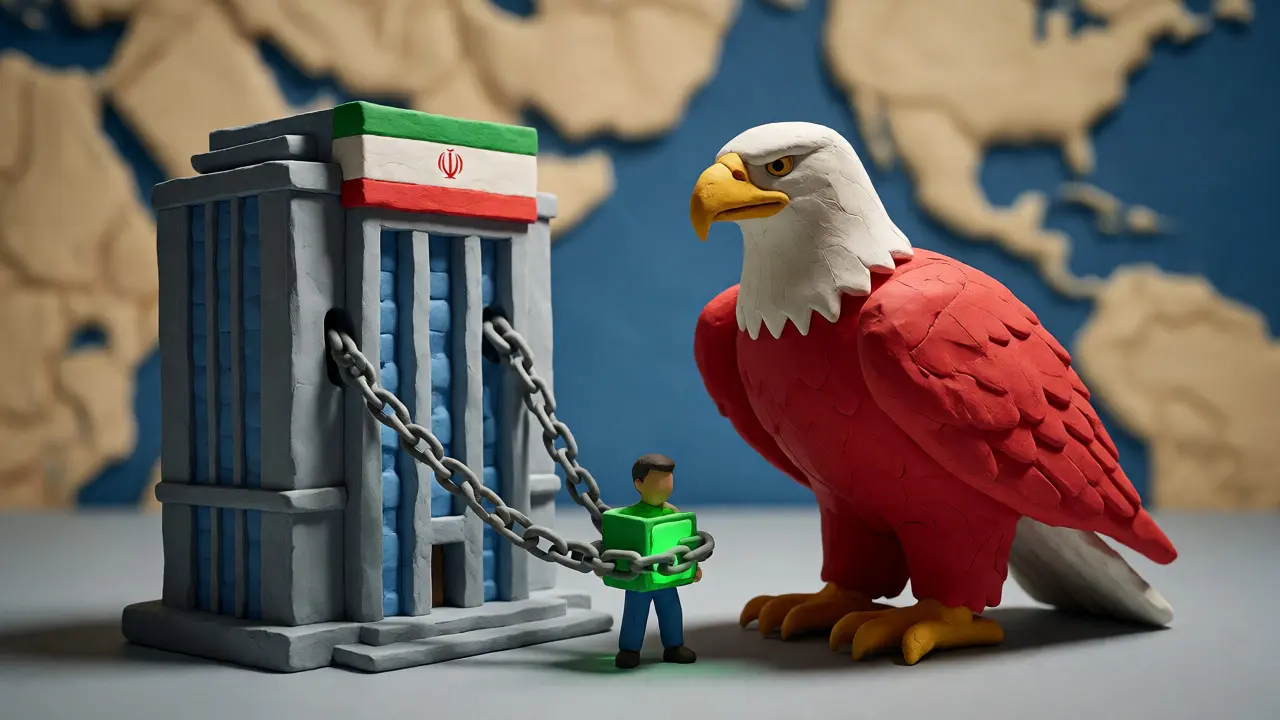
Imagine waking up to find your digital savings frozen. Not because you made a bad trade, but because of who you are and where you live. This is the reality for millions of Iranians navigating the world of cryptocurrency today. When people ask "what crypto exchanges are banned in Iran," they often expect a simple blacklist. But the truth is far more tangled. It involves a mix of domestic government crackdowns, international sanctions enforced by the US Treasury, and private companies like Tether freezing assets without warning.
The situation in late 2026 remains fluid. There isn't one single list of banned platforms that stays static. Instead, access depends on whether you are looking at local exchanges trying to comply with Tehran's strict new rules or global giants blocking Iranian IPs to avoid fines from Washington. If you're an investor, a trader, or just curious about how money moves in sanctioned economies, understanding this web is crucial. Let's break down exactly which exchanges are off-limits, why it happens, and what options remain for Iranian users.
The Two-Pronged Ban System
To understand why certain exchanges are inaccessible, you have to look at two different forces pulling in opposite directions. On one side, you have the Central Bank of Iran (CBI), which controls domestic trading. On the other, you have US Treasury sanctions and compliance policies from global entities like Tether.
Domestically, the CBI doesn't necessarily "ban" an exchange by name in a public decree. Instead, they restrict functionality. In December 2024, the Central Bank blocked all direct cryptocurrency-to-rial payments through websites. By early 2025, they began allowing some exchanges back online, but only if they plugged into a government-controlled API. This means the state can see every transaction. If an exchange refuses to share user data or comply with these surveillance requirements, it effectively gets cut off from the local banking system. Without bank rails, an exchange is useless for most retail traders.
Internationally, the story is driven by fear of penalties. Major global exchanges do not want to risk being blacklisted by the US Office of Foreign Assets Control (OFAC). So, they implement strict Know Your Customer (KYC) checks. If you sign up with an Iranian IP address or provide an Iranian ID, many global platforms will either block your registration immediately or freeze your account later. This isn't always a formal "ban" listed on their website; it's often buried in the Terms of Service under "restricted jurisdictions."
Global Exchanges That Block Iranian Users
Most major Western exchanges operate under strict compliance regimes. For Iranian residents, signing up for these platforms is often impossible without workarounds, and even then, funds are at risk. Here is a breakdown of how key players treat Iranian users.
| Exchange Name | Access Status | Primary Reason for Restriction | Risk Level for Iranian Users |
|---|---|---|---|
| Binance | Restricted / Blocked | US Sanctions Compliance | High (Account freezes reported) |
| Coinbase | Blocked | Strict KYC/AML Policies | N/A (Cannot register) |
| Kraken | Blocked | Regulatory Compliance | N/A (Cannot register) |
| Bittrex | Frozen Accounts | Historical OFAC Designations | Very High (Past lawsuits) |
| OKX | Variable | IP Blocking + KYC | Medium-High |
Binance is the elephant in the room. As the world's largest exchange, it is heavily targeted by regulators. While Binance has historically been more lenient than Coinbase, its stance on Iran has hardened. Many Iranian users report having their accounts restricted after volume increases or during compliance audits. The platform uses sophisticated geolocation tools. If you try to bypass this with a VPN, you might get in, but your withdrawal capabilities could be throttled.
Coinbase and Kraken are stricter. They are US-based or heavily regulated in the West. Their Terms of Service explicitly exclude users from sanctioned countries, including Iran. You generally cannot complete the identity verification process with an Iranian passport. Even if you use a secondary ID from another country, mismatched billing addresses or IP logs can trigger automated account suspensions.
A cautionary tale comes from Bittrex. Before its bankruptcy and wind-down, Bittrex froze millions of dollars belonging to Iranian users due to US sanctions. One Iranian national sued for $88 million, claiming lost profits from missed bull runs. The courts sided with Bittrex, citing the broad discretion given to exchanges in their Terms of Service to suspend accounts for compliance reasons. This precedent scares away many global exchanges from serving the Iranian market directly.
The Tether Freeze: A Hidden Ban on USDT
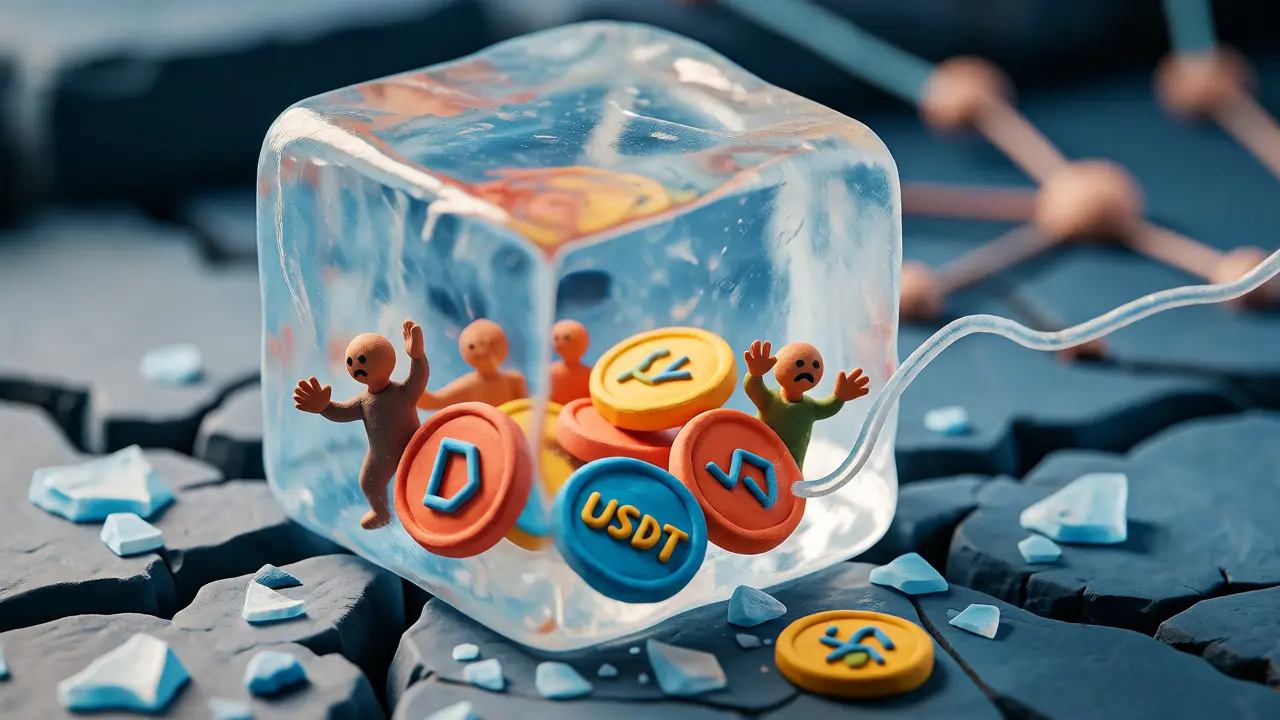
It’s not just about exchanges. It’s about the stablecoin itself. Tether, the issuer of USDT, has become a de facto gatekeeper for Iranian crypto liquidity. In July 2025, Tether executed its largest-ever freeze of Iranian-linked funds. They blacklisted 42 specific cryptocurrency addresses. More than half of these had strong ties to Nobitex, Iran's largest domestic exchange.
Why did this happen? These wallets were linked to transaction flows involving the Islamic Revolutionary Guard Corps (IRGC), which is designated as a terrorist organization by several Western governments. When Tether freezes an address, those tokens are essentially dead. You can't move them, swap them, or cash out. For Iranian investors holding USDT, this created panic. Thousands of accounts were affected, according to reports from Tasnim News Agency.
This action signaled a shift. Previously, sanctions enforcement was mostly about banks. Now, blockchain analytics firms and stablecoin issuers are actively policing the chain. If your wallet interacts with a flagged address-even indirectly-you risk getting blacklisted. This has forced many Iranian traders to abandon USDT in favor of alternatives like DAI or native coins, though liquidity for these alternatives is thinner.
Domestic Exchanges Under Government Scrutiny
If global exchanges are hard to access, what about local ones? Iran has a thriving domestic crypto scene, led by platforms like Nobitex, Wallex, and Bitpin. These aren't "banned" in the traditional sense. In fact, the government encourages them because they keep capital within the country and allow for taxation.
However, operating under the CBI's watchful eye comes with heavy strings attached. In September 2025, just before UN sanctions were set to reinstate, the Central Bank introduced new caps on stablecoins. Individuals can only purchase up to $5,000 worth of stablecoins per year. Furthermore, you can only hold a maximum of $10,000 in stablecoins at any time. Any excess must be converted to fiat or other assets.
These limits effectively ban large-scale stablecoin arbitrage for ordinary citizens. Additionally, the government launched a comprehensive ban on cryptocurrency advertising in February 2025. No billboards, no social media ads promoting crypto services. This makes it harder for new exchanges to enter the market and keeps existing ones dependent on word-of-mouth and organic growth. The goal here isn't to kill crypto, but to control it tightly.
Workarounds and Alternative Hubs
So, if the main exchanges are blocked and domestic options are capped, what do Iranians actually do? They adapt. Turkey has emerged as the primary haven for Iranian crypto activity. Istanbul and Ankara are filled with Iranian expats and businesses using Turkish banks and crypto exchanges. Platforms like Paribu or BtcTurk are accessible to those with Turkish residency permits. This allows Iranians to convert rial to lira, buy Bitcoin or Ethereum, and store it in self-custody wallets.
Another popular strategy is using decentralized finance (DeFi) protocols. Since DeFi runs on smart contracts rather than centralized companies, there is no customer support team to freeze your account. However, this requires technical skill. Users must manage their own private keys and navigate bridges between networks. During the Tether freeze, many users rapidly swapped USDT for DAI on the Polygon network to avoid censorship risks.
Peer-to-Peer (P2P) trading also remains robust. Platforms like LocalBitcoins (now largely defunct but similar models exist) or Telegram groups facilitate direct trades. An Iranian buyer sends rials via a local bank transfer to a seller, who releases Bitcoin from their escrow. This method bypasses exchange bans entirely but carries high counterparty risk. Scams are common, and prices often include a significant premium over the global spot price.

Impact of US Sanctions Enforcement
The root cause of most "bans" is the US Treasury’s Office of Foreign Assets Control (OFAC). In 2024 alone, OFAC issued 13 designations that included specific cryptocurrency addresses. This was the second-highest number in seven years. The message to global financial institutions is clear: if you touch money associated with these addresses, you face secondary sanctions.
This creates a chilling effect. Exchanges don't want to investigate every Iranian transaction deeply because it costs money. It’s cheaper and safer to just block the region. Consequently, sanctioned jurisdictions accounted for 60% of total sanctions-related activity by value by the end of 2024. The US is no longer just targeting oil exports; it’s targeting the digital pipes that carry value around the blockade.
Future Outlook for Iranian Crypto Users
Looking ahead, the trend is toward greater fragmentation. We likely won't see a sudden reopening of Binance or Coinbase to Iranian users. Instead, we will see more niche exchanges popping up in friendly jurisdictions like Dubai, Turkey, or Armenia, specifically catering to this demographic. These smaller platforms may have less regulatory pressure but also less liquidity.
Domestically, the Iranian government seems intent on launching its own central bank digital currency (CBDC) or national token to compete with private crypto. This would further marginalize foreign stablecoins. For now, Iranian traders must stay agile, diversifying their holdings across multiple chains and keeping a close eye on Tether’s blacklist updates.
Is Binance completely banned in Iran?
Binance does not officially serve Iran due to US sanctions. While some users access it via VPN, accounts are frequently restricted or frozen if compliance triggers are met. It is not recommended for long-term storage of large amounts.
Can I use USDT in Iran safely?
Using USDT is risky. Tether regularly freezes addresses linked to Iranian entities or IRGC-affiliated transactions. Many users are switching to DAI or native cryptocurrencies to avoid these centralized freeze risks.
Which Iranian exchange is the biggest?
Nobitex is widely considered the largest and most liquid domestic cryptocurrency exchange in Iran. However, it faces scrutiny from international bodies due to links with sanctioned entities.
Why did Tether freeze Iranian addresses?
Tether froze addresses to comply with US sanctions laws. The addresses were linked to transaction flows involving the Islamic Revolutionary Guard Corps (IRGC) and other sanctioned actors identified by blockchain analytics firms.
Are there limits on buying crypto in Iran?
Yes. Recent directives limit individuals to purchasing $5,000 worth of stablecoins annually and holding a maximum balance of $10,000 in stablecoins. These rules aim to control capital flight and inflation.