Cryptocurrency Restrictions in Ecuador: Laws, Taxes, and Realities
 Oct, 27 2026
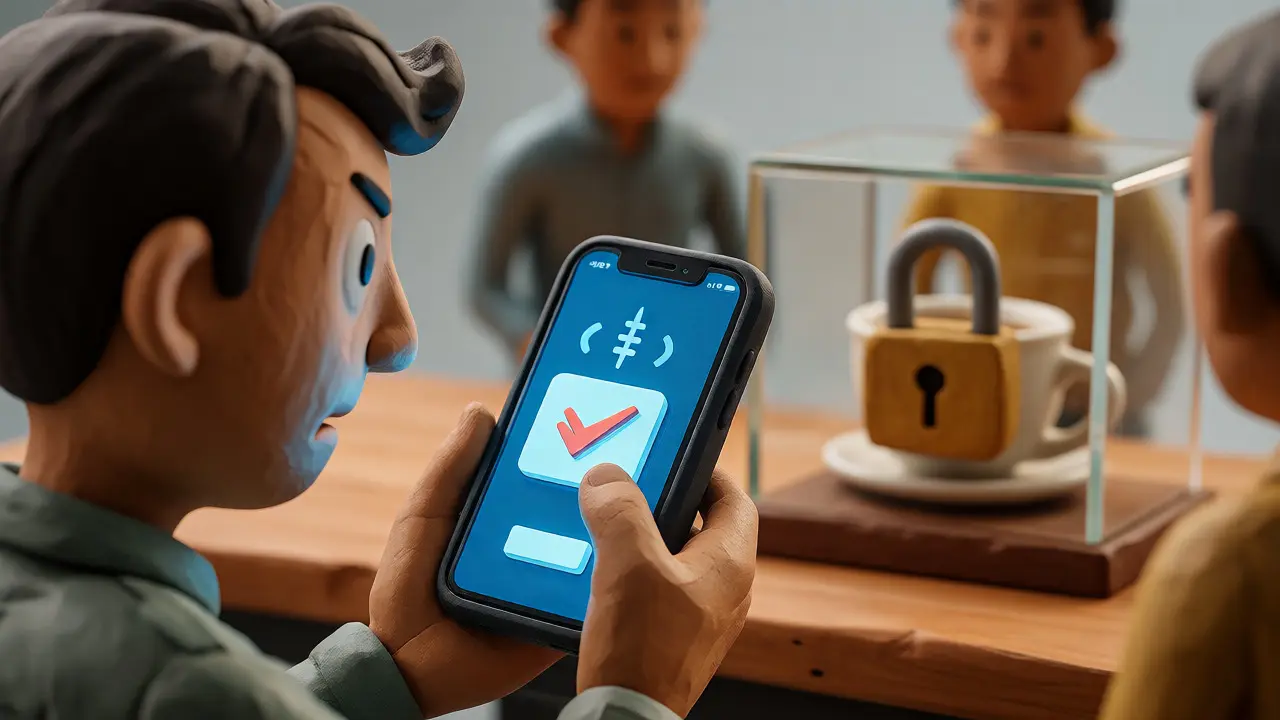
Imagine trying to buy a coffee with Bitcoin in Quito. You pull out your phone, open an app, and the transaction fails-not because of bad signal, but because the law says you can't pay with it. That is the reality for Ecuador. While the rest of Latin America is rolling out red carpets for digital assets, Ecuador keeps its doors firmly shut for payments, yet leaves them slightly ajar for investment.
You might think that if something isn't banned, it's legal. In Ecuador, that logic gets messy. The country operates on a unique economic model: it uses the US dollar as its official currency. This decision, made back in 2000 to stabilize the economy, has created a strict environment where no other money-digital or physical-is allowed to compete for the title of "legal tender." But does that mean you can't own Bitcoin? No. It means you can't use it to buy groceries. Understanding this distinction is the first step to navigating the cryptocurrency restrictions in Ecuador.
The Legal Gray Area: Not Banned, But Not Welcome
Let’s cut through the noise. There is no law in Ecuador that says, "It is illegal to hold Bitcoin." If you buy some Ethereum today, you won’t go to jail. However, the Central Bank of Ecuador (BCE) has been crystal clear about what cryptocurrencies are not. According to Article 94 of the Organic Monetary and Financial Code, cryptocurrencies are not legal tender. They are not authorized means of payment. Period.
This creates a strange paradox. You can legally trade digital assets on global platforms like Binance or OKX. You can store them in a private wallet. But if you try to hand someone a QR code to pay for dinner, you are operating outside the formal financial system. The BCE issued a statement in August 2024 reiterating that while they cannot ban private transactions between individuals, they offer zero consumer protection. If you lose your keys, or if a peer-to-peer trader scams you, the government will not help you recover your funds. You are on your own.
Why such strictness? It comes down to monetary sovereignty. Since Ecuador uses the US dollar, it doesn't have its own central bank printing money to manage inflation or debt. Allowing a volatile asset like Bitcoin to circulate as currency could destabilize the fragile balance of their dollarized economy. Governor Diego Martinez has stated in congressional testimonies that cryptocurrencies threaten this stability, especially given the country's limited financial infrastructure.
Banking Hurdles: Why Your Card Might Get Blocked
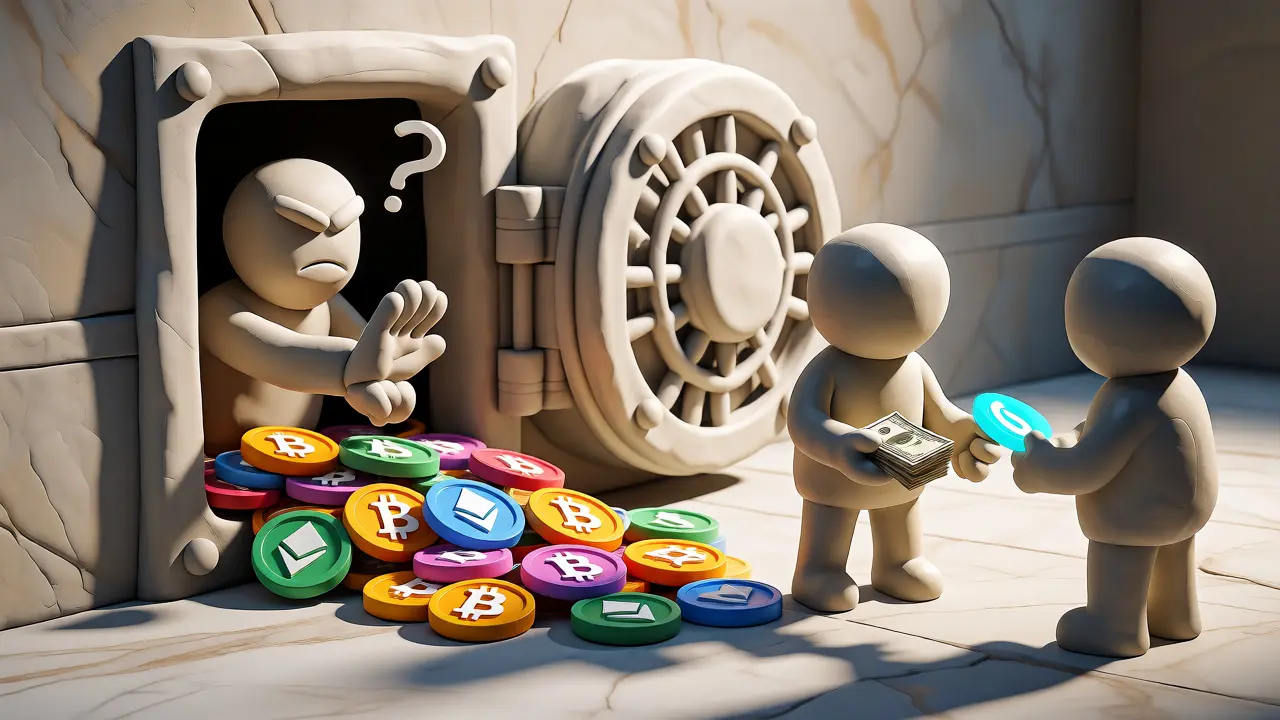
If you live in Ecuador, you’ve probably heard horror stories from friends who tried to buy crypto with a credit card. Their accounts got frozen. Or worse, closed. This isn't just bad luck; it’s policy. Local banks, insurers, and payment processors are legally mandated to refuse cryptocurrency-related transactions unless a future law explicitly licenses them.
Here is how it works in practice:
- Card Acquirers Flag Crypto: When you attempt to transfer money to an exchange like Coinbase or Binance, domestic banks often flag these merchants as "high-risk." Some block the transaction instantly. Others allow it but monitor your account closely for suspicious activity.
- No Direct Banking Integration: Unlike in countries where you can link your bank account directly to a regulated local exchange, Ecuador lacks any domestic exchange with an official license. This forces users to rely on international platforms that don't have direct ties to the Ecuadorian banking system.
- The "Unauthorized Entities" List: The Superintendency of Banks maintains a public list of entities that are not authorized to operate in the financial system. Almost every major international crypto exchange is on this list. This doesn't make using them illegal for you, but it warns banks to stay away.
The result? Most Ecuadorians resort to workarounds. They use peer-to-peer (P2P) trading, where one person sends USD via a bank transfer to another, and the second person releases crypto from their wallet. It’s slower, riskier, and often more expensive due to premiums, but it bypasses the banking blockade.
Taxes: The Silent Cost of Holding Crypto
Many people assume that because crypto isn't legal tender, it isn't taxable. Wrong. The Internal Revenue Service (SRI) in Ecuador treats realized gains from cryptocurrency sales as income. If you bought Bitcoin at $30,000 and sold it for $60,000, that $30,000 profit is subject to tax.
How much do you owe?
| Entity Type | Tax Rate on Realized Gains | Notes |
|---|---|---|
| Individuals | Up to 35% | Progressive rate based on total annual income. |
| Corporations | 25% | Standard corporate income tax rate applies. |
There is no separate "crypto tax." It falls under general income tax rules. This means you need to keep meticulous records. Every time you sell, swap, or spend crypto, you must calculate the gain or loss in USD terms. Given that many users struggle just to get their crypto onto a platform, tracking these transactions for tax season adds another layer of complexity. Failure to report can lead to audits, which are increasingly common as the SRI modernizes its digital monitoring capabilities.
Mining in Ecuador: High Costs, Low Scale
You might wonder why Ecuador isn't a hub for Bitcoin mining, given its hydroelectric potential. The answer lies in economics and infrastructure. Mining is not expressly prohibited, but it is practically difficult.
First, electricity tariffs average around $0.145 per kWh, which is 23% higher than the Latin American average. Second, the grid suffers from frequent outages, averaging nearly 15 hours of downtime per month in some regions according to CENACE data. Third, importing specialized mining equipment incurs heavy duties-up to 35%. These factors combine to make large-scale industrial mining uncompetitive compared to neighbors like Paraguay or even parts of the United States.
Consequently, most mining activity in Ecuador is small-scale and residential. People run single ASIC miners in their homes in Quito suburbs or coastal areas. The total hash rate contributed by Ecuador is negligible on a global scale, estimated at less than 0.0001% of the world's capacity. It’s a hobby for tech enthusiasts rather than a viable business model for most.
Regional Context: How Ecuador Compares to Neighbors
To understand Ecuador’s stance, look at its neighbors. The contrast is stark.
| Country | Legal Status | Regulatory Approach |
|---|---|---|
| Ecuador | Not legal tender; private ownership legal | Restrictive; no licensing framework; banking blocks |
| El Salvador | Legal Tender (Bitcoin) | Proactive; state-backed adoption; Chivo Wallet |
| Paraguay | Legal for payments and mining | Registration required; AML compliance focused |
| Mexico | Virtual Assets | Licensing required under Fintech Law; regulated exchanges |
| Peru | Legal; not legal tender | VASPs must register with UIF; evolving framework |
While El Salvador embraced Bitcoin and Paraguay created a registration system, Ecuador offers no formal pathway for businesses. There is no license you can apply for to become a "Crypto Exchange in Ecuador." This lack of clarity pushes innovation underground. Fintech startups that want to offer crypto services often incorporate offshore or operate in a gray zone, limiting their ability to attract institutional investment.

The Human Impact: Remittances and the Unbanked
Why do people bother with all this hassle? For many Ecuadorians, crypto isn't about speculation-it's about survival. Specifically, remittances. Families abroad send billions of dollars home each year. Traditional methods charge high fees, averaging 6.3%, well above the UN’s target of 3%. Stablecoins like USDT offer a cheaper, faster alternative.
However, the regulatory restrictions hinder widespread adoption. Only about 2.73% of the population owns cryptocurrency, far below the regional average. Many remain unbanked-roughly 50% of adults lack bank accounts-and thus find it hard to access even P2P markets that require some banking interaction. The government’s push for its own electronic money system, "Dinero Electronico," failed to gain traction, leaving a vacuum that crypto could fill if regulations were clearer.
User reports highlight the friction. On forums, locals describe having accounts frozen after minor transfers to exchanges. Others pay 8-12% premiums to buy Bitcoin with cash because they can't use cards. Despite these hurdles, the community persists, driven by the need for financial autonomy in a restrictive environment.
Future Outlook: Will Things Change?
Is there hope for change? Signs point to gradual evolution rather than revolution. The Central Bank is exploring a retail Central Bank Digital Currency (CBDC) pegged to the US dollar. This could modernize payments without threatening dollarization. Meanwhile, new FinTech regulations arriving in 2025 may force stricter compliance for technology-based financial services, potentially creating a de facto framework for crypto companies.
Experts are divided. Some predict regulatory changes by 2026 as pressure mounts from remittance businesses. Others believe the BCE will maintain strict controls until at least 2027 to protect monetary stability. For now, if you are an investor or user in Ecuador, proceed with caution. Keep records, expect banking friction, and remember: you are navigating a market defined more by what is forbidden than by what is permitted.
Is Bitcoin legal in Ecuador?
Yes, owning and trading Bitcoin is legal. However, it is not considered legal tender, meaning you cannot legally demand payment in Bitcoin for goods or services within the formal economy. Private transactions between individuals are permitted.
Can I use my debit card to buy crypto in Ecuador?
It is difficult. Many local banks block transactions to known cryptocurrency exchanges, labeling them as high-risk. Users often face account freezes or closures. Peer-to-peer trading using bank transfers or cash is a more common workaround.
Do I have to pay taxes on cryptocurrency profits in Ecuador?
Yes. The Internal Revenue Service (SRI) treats realized gains from selling or swapping crypto as income. Individuals are taxed at progressive rates up to 35%, while corporations pay 25%. You must report these gains in your annual tax return.
Are there any licensed cryptocurrency exchanges in Ecuador?
No. As of 2024, there are no domestic cryptocurrency exchanges holding an official license to operate within Ecuador's formal financial system. Users rely on international platforms like Binance or OKX, often accessing them via peer-to-peer networks.
What is the status of cryptocurrency mining in Ecuador?
Mining is not explicitly banned, but it is economically challenging due to high electricity costs, import duties on hardware, and grid instability. Most mining is small-scale and residential, with minimal impact on the national grid.