El Salvador Bitcoin Legal Tender Case Study: What Went Wrong?
 Oct, 12 2026
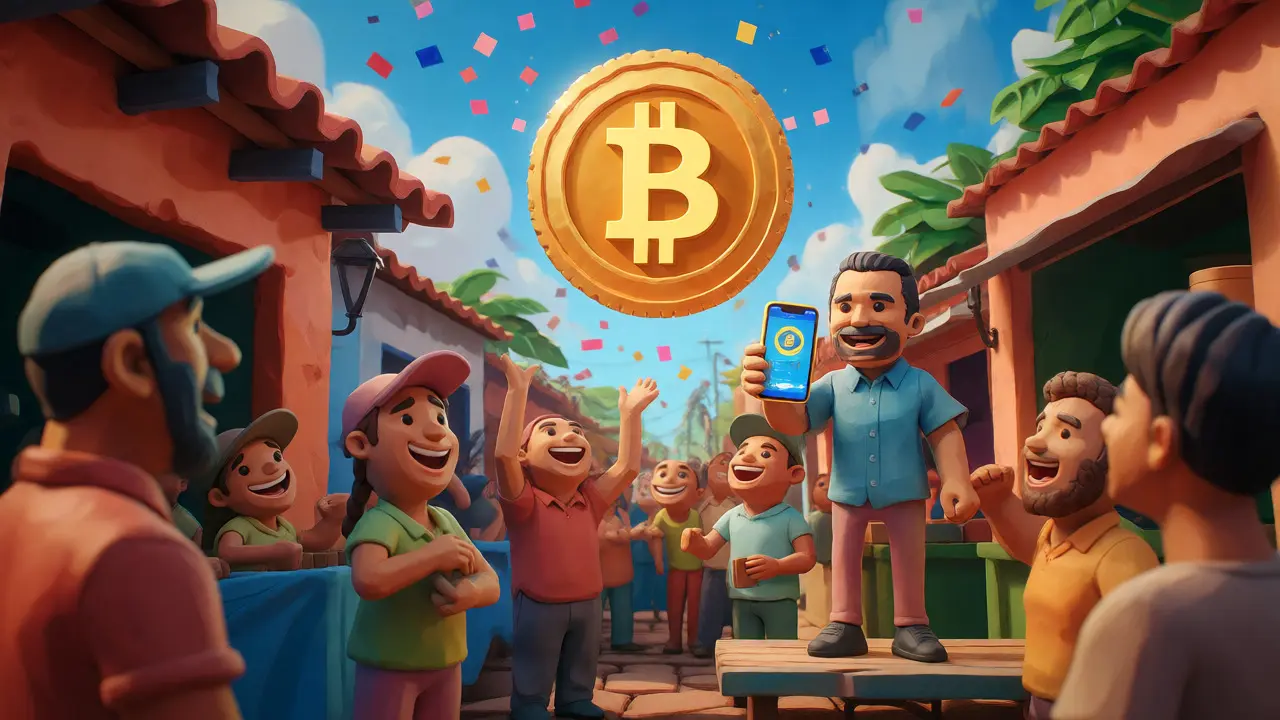
Imagine a country where the government forces every shopkeeper to accept a digital asset that swings wildly in value overnight. That was El Salvador from September 2021 until early 2025. President Nayib Bukele’s gamble to make Bitcoin legal tender alongside the US dollar aimed to bank the unbanked and cut remittance fees. It sounded revolutionary. But by May 2025, the law changed. The mandate vanished. Why did the world’s first national Bitcoin experiment collapse under its own weight? This case study breaks down the hype, the hard data, and the lessons for any nation considering crypto at scale.
The Bold Bet: Why El Salvador Said Yes to Bitcoin
In 2021, El Salvador faced a familiar problem in Central America: high poverty, low banking access, and heavy reliance on money sent home from abroad. Remittances account for roughly 24% of the country’s GDP. Traditional banks charge steep fees to process these transfers. Enter Bitcoin. Bukele argued that using Bitcoin as a direct payment method would eliminate middlemen, lower costs, and bring financial services to millions who never had a bank account.
The logic seemed sound on paper. If you can send money peer-to-peer without a bank, why pay a bank? The government launched Chivo a state-sponsored digital wallet designed to facilitate Bitcoin transactions. To sweeten the deal, they gave every citizen $30 in free Bitcoin if they downloaded it. For a moment, it worked. Adoption spiked. Global media flocked to San Salvador. Crypto enthusiasts saw a blueprint for the future. But beneath the headlines, cracks were forming. Most merchants didn’t want the volatility risk. Consumers didn’t trust the tech. And the infrastructure wasn’t ready.
The Technical Reality Check: Chivo Wallet Struggles
You can’t force adoption with a buggy app. The Chivo wallet served as the primary interface for citizens to interact with the Bitcoin network became the bottleneck of the entire experiment. Early users reported frequent crashes, login failures, and confusing user interfaces. Worse, security breaches occurred. Hackers targeted the system, eroding trust among a population already skeptical of digital finance.
Think about the average Salvadoran merchant. They run a small stall or a local shop. Their internet connection might be spotty. Their smartphone might be an older model. Asking them to verify a blockchain transaction, manage private keys, and hedge against price swings was a massive ask. Many simply turned off their Chivo terminals after the initial novelty wore off. By 2024, reports indicated that 92% of Salvadorans rarely or never used Bitcoin for daily purchases. The gap between policy intent and ground-level reality was enormous.
| Metric | Government Claim/Expectation | Observed Reality |
|---|---|---|
| Financial Inclusion | Banking the unbanked via wallets | Minimal impact; most remained cash-based |
| Merchant Acceptance | Mandatory acceptance by all businesses | Low voluntary uptake; many disabled features |
| Remittance Savings | Significant reduction in transfer fees | Negligible change; traditional channels still dominate |
| User Activity | Daily use for groceries and bills | Speculative holding or one-time $30 spend |

The IMF Pressure Cooker: Money Talks
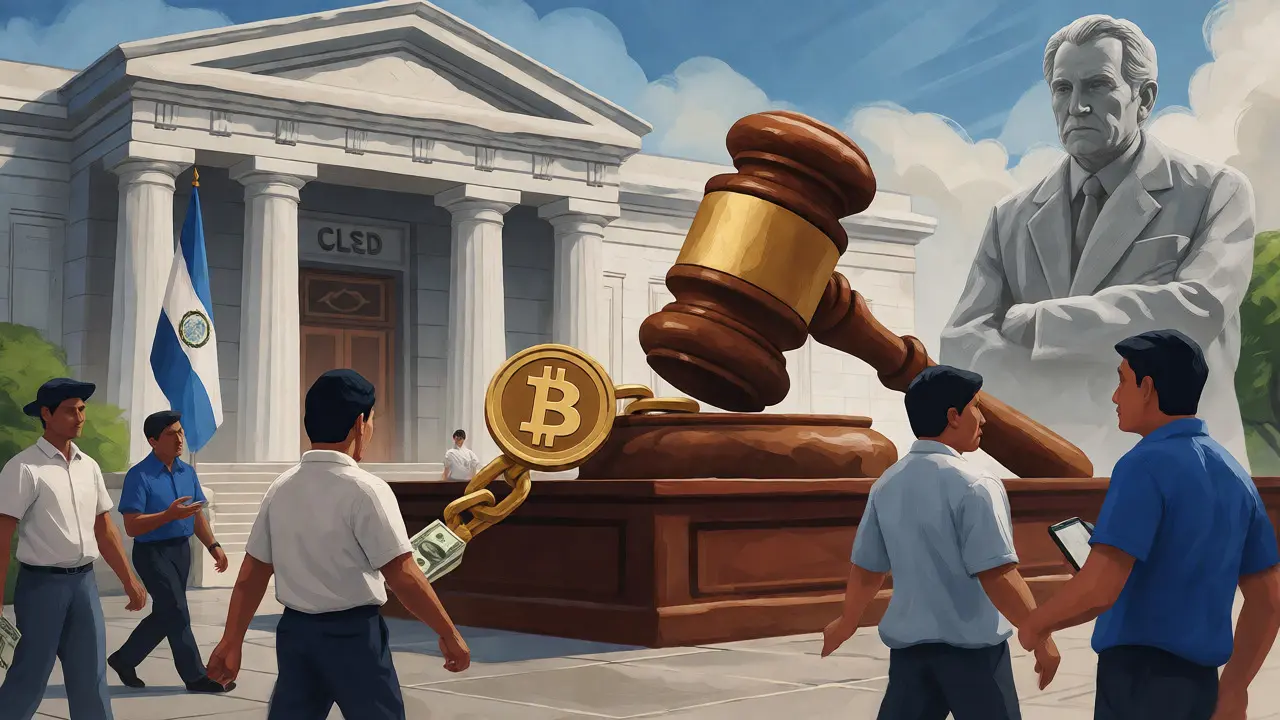
No sovereign nation operates in a vacuum. El Salvador needed credit. International lenders watched the Bitcoin experiment with growing alarm. The International Monetary Fund (IMF) viewed the legal tender status as a macroeconomic risk due to volatility and lack of oversight refused to lend significant funds while Bitcoin held mandatory status. For El Salvador, this was non-negotiable. Access to global capital markets outweighed ideological commitment to crypto.
In December 2024, El Salvador agreed to a $1.4 billion Extended Fund Facility loan. The conditions were clear: remove the mandatory aspect of Bitcoin usage. In January 2025, the Legislative Assembly voted 55-2 to amend the law. Effective May 1, 2025, the word "currency" disappeared from the statute. Businesses are no longer obligated to accept Bitcoin. You cannot pay taxes with it. The government’s role shifted from enforcer to passive observer. As economist Rafael Lemus noted, the government tried to force a market into existence, and it failed because you can’t legislate economic behavior against consumer preference.
Volatility and the Voluntary Shift
Why do people use dollars? Stability. When you buy bread, you expect the price to remain relatively constant. Bitcoin does not offer that comfort. Between 2021 and 2025, Bitcoin experienced massive bull runs and brutal bear markets. A merchant accepting Bitcoin on Monday might lose 20% of their revenue by Friday if they don’t convert immediately. Converting requires liquidity, fees, and technical know-how. Small businesses lack these resources.
The shift to voluntary adoption acknowledges this truth. Today, you can still use Bitcoin in El Salvador if both parties agree. It’s legal for private trade. Some tourism-focused hotels and tech-savvy startups continue to accept it. But it’s no longer a tool of national economic policy. It’s a niche asset. The Bitcoin Lightning Network technology intended to speed up transactions remains active, but its utility is now driven by demand, not decree.
Lessons for Other Nations
What should other countries learn from El Salvador? First, technology alone doesn’t solve economic problems. Infrastructure matters more than ideology. Without reliable internet and widespread digital literacy, a complex payment system fails. Second, forced adoption breeds resistance. People adopt tools that make their lives easier, not harder. Third, international financial integration limits monetary experimentation. If you need loans from global institutions, you must align with their risk frameworks.
El Salvador didn’t abandon crypto entirely. They still hold reserves-estimates vary between 688 and 6,102 BTC depending on the source and date. They host major conferences like the PLANB Forum. But the dream of replacing the dollar with Bitcoin is dead. The reality is a hybrid economy where digital assets coexist with traditional currency, but only when convenient for the user.
Is Bitcoin still legal tender in El Salvador?
No. As of May 1, 2025, amendments to the law removed the mandatory requirement for businesses to accept Bitcoin. While it remains legal for private transactions, it is no longer considered official legal tender for tax payments or state obligations.
Did El Salvador profit from its Bitcoin holdings?
Reports vary. At various points, the government claimed profits based on market highs, but losses occurred during downturns. Transparency regarding exact holdings and realized gains has been inconsistent, with estimates ranging widely in independent audits versus government statements.
Why did the IMF require changes to the Bitcoin law?
The IMF cited concerns over financial stability, volatility risks, and lack of regulatory oversight. They required the removal of mandatory acceptance to reduce macroeconomic risks before approving a $1.4 billion loan package in late 2024.
How did ordinary citizens react to the change?
Surveys suggested indifference or relief. Since 92% of the population rarely used Bitcoin, removing the mandate had little practical impact on daily life for most Salvadorans, who continued using US dollars and cash.
Does El Salvador still hold Bitcoin reserves?
Yes, the country retains its existing Bitcoin reserves. However, under the IMF agreement, they committed to not purchasing additional Bitcoin with public funds, shifting the strategy from accumulation to preservation.