How Bolivians Access Crypto Exchanges After the Ban Lift
 Nov, 16 2026
For a decade, if you lived in Bolivia, buying Bitcoin was practically illegal. The Central Bank of Bolivia (BCB) had slapped a total ban on cryptocurrency activities back in 2014, locking banks out of any digital asset transactions. But here is the twist: that ban is gone. As of late 2026, Bolivia has swung from one of the most restrictive crypto environments in the world to an emerging hub for digital assets. If you are wondering how Bolivians actually get their hands on crypto now, the answer isn't about sneaking around anymore-it's about navigating a brand-new, rapidly evolving legal framework.
| Date | Action | Impact |
|---|---|---|
| May 2014 | Total Ban Implemented | Banks prohibited from crypto operations |
| June 2024 | Ban Lifted (Resolution 82/2024) | Crypto use permitted for financial growth |
| April 2025 | Virtual Assets Recognition (Res. 019/2025) | Framework for VASPs established |
| May 2025 | Supreme Decree No. 5384 | Licensing obligations for market participants |
| Oct 2025 | Trading Activity Launch | Formal exchange trading begins at 08:00 UTC |
The End of the Prohibition Era
You might have heard stories of Bolivians using peer-to-peer apps or foreign accounts just to hold some stablecoins. Those days are mostly behind us. On June 26, 2024, the government officially reversed course with Resolution No. 82/2024. This wasn't just a minor tweak; it was a complete policy reversal driven by necessity. Bolivia faced a severe dollar crisis, and sticking to the old ban wasn't helping the economy grow. By lifting the restrictions, the state acknowledged that cryptocurrency could serve as a tool for economic resilience rather than just a speculative bubble.
This shift triggered a massive surge in adoption. Within a year of the ban being lifted, crypto usage in Bolivia skyrocketed by more than 500%. That is not a small number. It reflects years of pent-up demand from citizens who wanted access to global financial markets but were blocked by local regulations. Now, instead of hiding their holdings, people are openly engaging with digital assets, knowing they are operating within the law.
Navigating the New Regulatory Landscape
Just because the ban is gone doesn't mean anything goes. The Bolivian government didn't just open the floodgates; they built channels. In April 2025, Resolution No. 019/2025 laid the groundwork for recognizing Virtual Asset Service Providers (VASPs). This was the critical step that allowed legitimate businesses to operate. Then came Supreme Decree No. 5384 in May 2025, which introduced licensing obligations. If you want to run a crypto exchange or wallet service in Bolivia today, you need a license. This structure protects consumers while allowing innovation.
So, how does this affect the average user? You don't need to be a lawyer to buy Bitcoin. You just need to use a platform that complies with these new rules. The Central Bank of Bolivia (BCB) has been active in educating the public, launching campaigns to explain the risks and basics of digital assets. They are treating crypto exchanges similarly to traditional financial institutions in terms of oversight, aiming to prevent the scams that plagued other emerging markets.
The Role of Stablecoins and Cross-Border Payments
While Bitcoin gets the headlines, stablecoins are doing the heavy lifting in Bolivia's economy. Because the local currency has faced volatility, many Bolivians prefer holding assets pegged to the US Dollar. In March 2025, the BCB itself began utilizing USD-pegged stablecoins for cross-border payments and remittances. This move signaled official approval of stablecoins as a store of value.
For users, this means accessing crypto often starts with stablecoins like USDT or USDC. These are completely legal to own and trade. Many Bolivians use them to hedge against inflation or to send money abroad without relying solely on traditional SWIFT transfers, which can be slow and expensive. The integration of stablecoins into the formal banking sector makes them a practical daily tool, not just a speculative investment.
International Cooperation and Technical Standards
Bolivia isn't trying to figure this all out alone. The country signed a Memorandum of Understanding with El Salvador’s National Commission for Digital Assets (CNAD). Why El Salvador? Because they’ve been living with Bitcoin as legal tender since 2021. This partnership allows Bolivia to borrow regulatory expertise and technical tools from a neighbor that has already navigated the complexities of crypto integration.
This cooperation covers everything from blockchain intelligence tools to staff training. For the average Bolivian investor, this translates to better security standards and more robust exchange platforms. When regulators share data and best practices, the entire ecosystem becomes safer. It also helps local exchanges adopt international compliance standards, making it easier for Bolivians to interact with global liquidity providers.
Practical Steps for Accessing Crypto Today
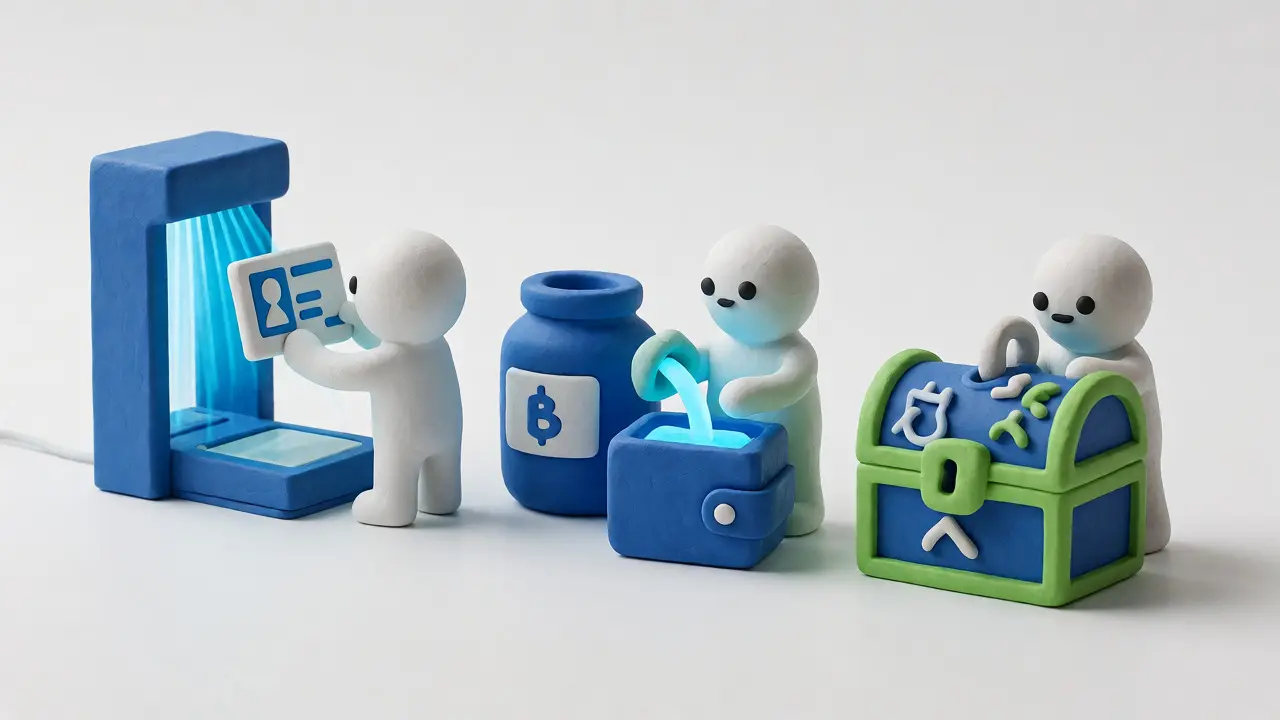
If you are looking to enter the market, here is what the process looks like in practice. First, identify a licensed VASP. With the new decree, unlicensed operators face penalties, so checking for credentials is vital. Most major global exchanges have either entered the Bolivian market directly or partnered with local entities to offer compliant services.
- KYC Verification: Expect standard Know Your Customer checks. Upload your ID and proof of address. This is mandatory under the new anti-money laundering frameworks.
- Fiat On-Ramps: Use local bank transfers to buy stablecoins or Bitcoin. Since banks can now process these transactions, the friction is much lower than before.
- Storage: Decide whether to keep funds on the exchange or move them to a self-custody wallet. Given the rapid growth, security hygiene is crucial.
One caveat: there are still isolated restrictions. For instance, in May 2025, YPFB (the state oil company) tried to use crypto for fuel imports and faced initial pushback. This shows that while personal trading is free, specific state-sector applications are still under tight scrutiny. But for individuals and private businesses, the path is clear.
Why This Matters for Investors
Bolivia’s transformation is one of the fastest in recent history. Going from a total ban to a regulated market in roughly 18 months is rare. For investors, this creates opportunities but also risks. The market is young, and liquidity is growing fast. However, the regulatory clarity reduces the risk of sudden shutdowns that scared away capital in previous years.
The BCB’s approach balances innovation with caution. They are drafting comprehensive regulations focused on transparency and safety. This suggests a long-term commitment to the sector. If you are watching Latin American crypto trends, Bolivia is no longer a footnote. It is becoming a significant player, driven by real economic needs rather than hype.
Is cryptocurrency legal in Bolivia?
Yes, cryptocurrency is legal in Bolivia as of June 2024. The Central Bank of Bolivia lifted the previous ban through Resolution No. 82/2024, allowing citizens to own, trade, and use digital assets within a regulated framework.
Can I use my bank account to buy crypto in Bolivia?
Yes, banks are now permitted to facilitate cryptocurrency transactions. Unlike during the ban period, you can link your Bolivian bank account to licensed exchanges to deposit Bolivianos or withdraw fiat currency.
Are stablecoins legal in Bolivia?
Stablecoins are fully legal and widely used. The Central Bank of Bolivia has even begun using USD-pegged stablecoins for cross-border payments, validating their role as a store of value and medium of exchange.
Do I need to pay taxes on crypto profits in Bolivia?
Tax regulations are part of the broader financial framework. While specific tax codes for crypto are still being refined under the new Supreme Decree No. 5384, general income tax principles apply to gains realized from asset sales. Consult a local accountant for current specifics.
Which exchanges are available in Bolivia?
Several global and regional exchanges operate in Bolivia, provided they comply with VASP licensing requirements. Users should verify that their chosen platform is registered with the relevant Bolivian authorities to ensure consumer protection.