How El Salvador Uses Bitcoin for National Economy
 Mar, 24 2026
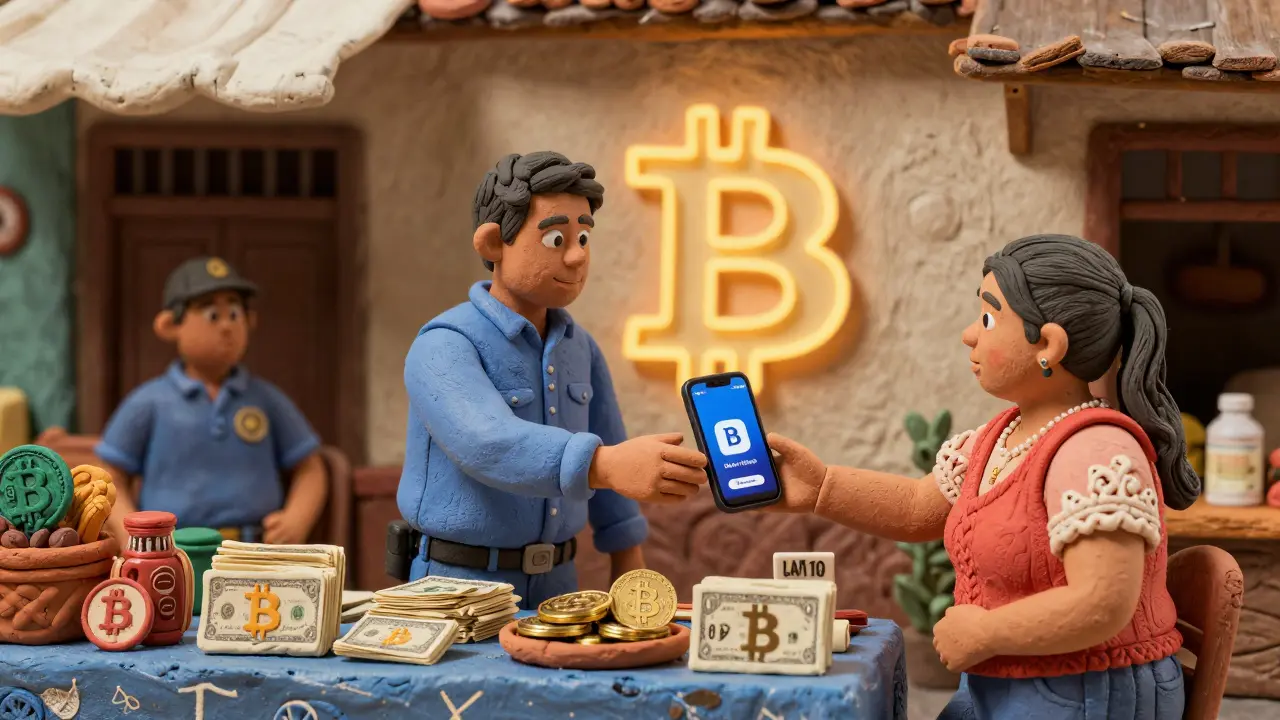
El Salvador didn’t just experiment with Bitcoin - it made Bitcoin law. On September 7, 2021, the country became the first in the world to give Bitcoin the same legal status as the U.S. dollar. No more just trading it. No more treating it like a side bet. From that day on, every business in El Salvador was required to accept Bitcoin as payment. Taxes could be paid in Bitcoin. Wages could be paid in Bitcoin. Even debts could be settled in Bitcoin. The government didn’t just encourage it - it forced it.
Why Bitcoin? The Real Problems El Salvador Wanted to Solve
El Salvador didn’t choose Bitcoin because it was trendy. It chose Bitcoin because it was desperate. The country’s economy has been stuck for decades. Growth is slow. Public debt is high. And more than 20% of its entire GDP comes from money sent home by Salvadorans living abroad - mostly in the United States. Sending those remittances used to cost around 10% in fees. That’s $10 lost for every $100 sent. For families living paycheck to paycheck, that’s a huge drain. Then there’s the banking problem. Nearly 70% of adults in El Salvador didn’t have a bank account. They couldn’t get loans. They couldn’t save. They couldn’t even pay bills online. The traditional banking system had left them behind. Bitcoin promised a fix. Faster, cheaper remittances. No middlemen. No banks needed. Just a phone, a wallet, and a connection. The government said: “Let’s cut the fees. Let’s bring people into the financial system. Let’s attract investors who believe in crypto.”The Plan: Free Bitcoin, Discounted Gas, and a Government App
The government didn’t just pass a law - it threw money at it. It set aside $150 million to buy Bitcoin. It launched an app called Chivo Wallet. And it gave every citizen who downloaded it $30 in free Bitcoin. There were other perks, too. Gas stations offered discounts if you paid with Bitcoin. Restaurants and shops got tax breaks. The government even promised to build Bitcoin ATMs in every town. The goal was simple: make Bitcoin easy, useful, and rewarding. At first, it looked like it might work. Half the population downloaded the app. Bitcoin wallets outnumbered bank accounts. For a while, it felt like a revolution.The Reality: Most People Just Kept the Free Bitcoin
But here’s what nobody expected: people didn’t use it. A study of 1,800 Salvadoran households found that over 60% of those who downloaded the app never made a single Bitcoin transaction after spending their free $30. One in five still hadn’t touched their bonus Bitcoin two years later. Why? Because using Bitcoin isn’t as simple as downloading an app. It requires understanding wallets, private keys, transaction confirmations, and price swings. For many - especially older adults, rural residents, and those with little education - the learning curve was too steep. The app itself was buggy. Transactions failed. Money disappeared. People got frustrated. And when the initial excitement faded, so did the motivation. The users who actually used Bitcoin weren’t the unbanked. They were the young, educated, tech-savvy, mostly male, already-banked minority. That’s not inclusion. That’s exclusion dressed up as innovation.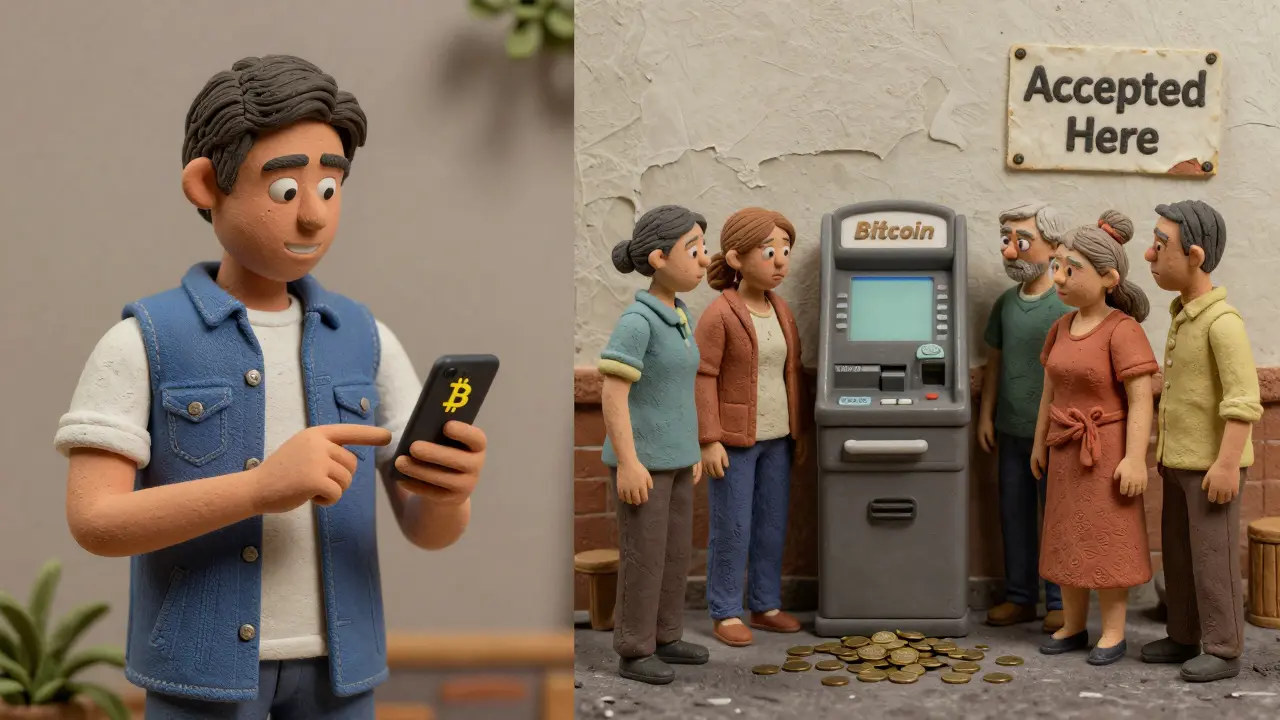
The Volatility Problem: When Your Currency Loses 30% in a Week
Bitcoin isn’t stable. In 2021, it hit $68,000. By 2022, it dropped below $17,000. That’s a 75% crash. The government bought Bitcoin when prices were high. When prices crashed, the value of its $150 million reserve dropped by tens of millions. That’s not just a loss - it’s a fiscal hole. And since the government had promised to convert Bitcoin to dollars instantly for businesses, it had to cover the difference out of its own pocket. International investors noticed. Credit rating agencies warned that holding volatile assets as national reserves was reckless. The International Monetary Fund (IMF) called it a “macroeconomic risk.”The IMF Backs Off - But Not Completely
In 2024, El Salvador needed a $1.4 billion loan to avoid default. The IMF said yes - but only if the government agreed to scale back its Bitcoin experiment. The deal didn’t ban Bitcoin. It didn’t repeal the law. But it forced El Salvador to stop using Bitcoin as a reserve asset. It required more transparency in how Bitcoin was bought and sold. It demanded stricter fiscal controls. That was a quiet admission: Bitcoin as a national currency didn’t work the way they hoped.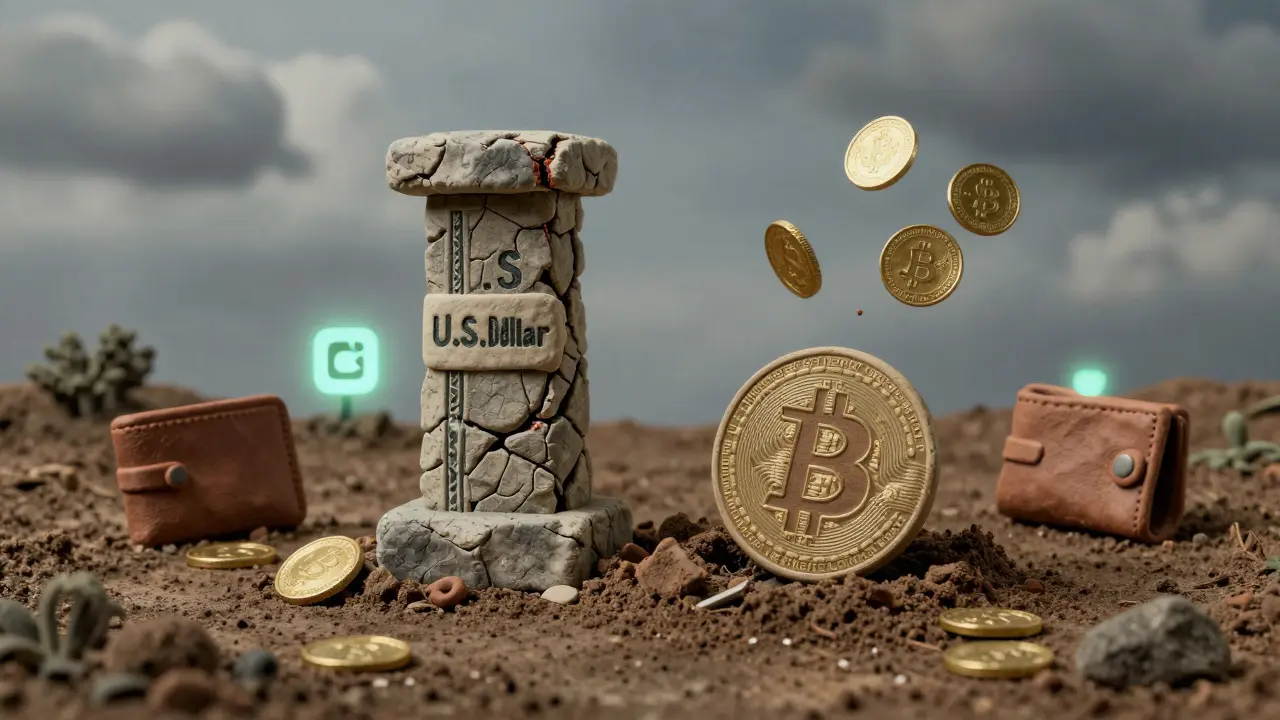
What’s Left? A Legal Tender With No Users
Today, Bitcoin is still legal tender. Businesses still have to accept it. But very few do. Most Salvadorans still pay in U.S. dollars. Most businesses still price goods in dollars. The government still holds Bitcoin - but it’s not spending it. It’s not even buying much anymore. The Chivo app still exists. But it’s mostly used to cash out Bitcoin for dollars. Not to spend it. The dream of a cashless, bankless, Bitcoin-powered economy? It never took root.The Bigger Lesson: Technology Doesn’t Fix Bad Systems
El Salvador didn’t fail because Bitcoin is flawed. It failed because it tried to solve deep economic problems with a technological fix. You can’t fix poverty with an app. You can’t fix corruption with a blockchain. You can’t fix weak institutions with a cryptocurrency. The real problems - lack of infrastructure, poor financial education, unstable governance - didn’t disappear just because the government said Bitcoin was now money. Bitcoin didn’t bring the revolution. It exposed the gaps.What Happens Next?
El Salvador hasn’t given up on Bitcoin. But it’s no longer pushing it as the solution. The government still holds Bitcoin. It might sell some to pay off debt. It might buy more if prices rise. But the grand vision - a nation running on crypto - is gone. The future looks more like this: Bitcoin as a niche tool for international trade, not everyday life. A backup option, not the main currency. A symbol of ambition, not a working system. For now, the U.S. dollar is still king. And Bitcoin? It’s just sitting there - valuable, volatile, and mostly unused.Is Bitcoin still legal tender in El Salvador?
Yes. The Bitcoin Law passed in 2021 is still in effect. Businesses are legally required to accept Bitcoin as payment. But in practice, almost all transactions still happen in U.S. dollars. The government hasn’t repealed the law, but it has stopped promoting Bitcoin as a daily currency.
Did Bitcoin help reduce remittance costs in El Salvador?
Not meaningfully. While Bitcoin theoretically lowers remittance fees, most people still used traditional services like Western Union or MoneyGram. The Chivo app’s adoption for remittances was extremely low. Studies show that less than 5% of remittances were sent via Bitcoin. The promised cost savings never materialized for the average family.
Why did the IMF get involved with El Salvador’s Bitcoin policy?
The IMF stepped in because El Salvador was at risk of defaulting on its debt. The government’s Bitcoin purchases had lost billions in value due to price drops, creating a fiscal hole. The IMF agreed to a $1.4 billion loan - but only if El Salvador agreed to stop using Bitcoin as a reserve asset and improve financial transparency. The deal was a major retreat from the original plan.
How many people in El Salvador actually use Bitcoin daily?
Very few. Surveys show that while over half the population downloaded the Chivo app in 2021, more than 60% of them never made a single transaction after using their free Bitcoin bonus. Daily active users are estimated to be under 10% of the population - mostly young, urban, and already banked.
Was El Salvador’s Bitcoin experiment a success?
By its own goals - financial inclusion, lower remittance costs, economic growth - it was not a success. The IMF, major economic research institutions, and independent analysts all conclude that the experiment brought more costs than benefits. The government’s own data shows low usage, high technical failure rates, and minimal impact on the unbanked population.
YANG YUE
March 25, 2026 AT 01:20Marie Mapilar
March 26, 2026 AT 06:26Leona Fowler
March 27, 2026 AT 03:25Neil MacLeod
March 27, 2026 AT 19:43Anand Makawana
March 28, 2026 AT 15:22Mohammed Tahseen Shaikh
March 29, 2026 AT 18:00Sarah Terry
March 29, 2026 AT 22:54Shayne Cokerdem
March 31, 2026 AT 07:48kavya barikar
March 31, 2026 AT 08:55