How Sharding Improves Blockchain Scalability
 Aug, 21 2025
Sharding Scalability Calculator
How Sharding Works
Sharding divides the blockchain into smaller, independent sections called shards. Each shard processes its own transactions in parallel, dramatically increasing overall transaction throughput without sacrificing security or decentralization.
The more shards, the more transactions can be processed simultaneously. Ethereum's planned implementation with 64 shards could increase throughput from 15 TPS to approximately 100,000 TPS.
Scalability Results
This calculator uses a simplified model based on Ethereum's implementation. Actual performance may vary based on network conditions, shard size, and validation efficiency.
Blockchain networks like Ethereum used to struggle with slow transactions and high fees. Back in 2021, Ethereum could only handle about 15 transactions per second. That’s fine for a small group of users, but when millions start using DeFi apps, NFT marketplaces, and smart contracts, the network gets clogged. Enter sharding-a game-changing way to make blockchains faster without sacrificing security or decentralization.
What Is Sharding, Really?
Sharding isn’t new. Databases have used it for decades to split large datasets into smaller, manageable pieces. In blockchain, sharding does the same thing: it breaks the entire network into smaller parts called shards. Each shard processes its own transactions and stores its own portion of the ledger. Instead of every node in the network validating every transaction, only the nodes in a specific shard handle transactions for that shard. This is horizontal scaling. Think of it like adding more lanes to a highway. Before sharding, all traffic (transactions) had to use one lane. Now, with 64 shards planned for Ethereum, you’ve got 64 lanes running in parallel. Each lane handles its own cars, so congestion drops dramatically. The result? Ethereum’s theoretical capacity jumps from 15 TPS to up to 100,000 TPS after full sharding. That’s not a guess-it’s the math behind splitting work across 64 independent processing units, each with hundreds of validating nodes.Why Sharding Solves the Blockchain Trilemma
The blockchain trilemma says you can only pick two out of three: security, decentralization, and scalability. Most blockchains sacrifice one to get the other two. Bitcoin and Ethereum chose security and decentralization, but paid with slow speeds. Some chains tried to fix this by making bigger blocks (like Bitcoin Cash), but that forced users to run more powerful hardware, reducing decentralization. Sharding breaks that trade-off. It boosts scalability without requiring bigger blocks or stronger computers. Each node only needs to store and validate data from one shard, not the whole chain. That means even low-end devices can participate as validators. More participants = more decentralization. And security? It’s maintained through random node assignment. Nodes are shuffled between shards regularly. This prevents attackers from targeting a single shard with a majority of malicious nodes. If you want to compromise a shard, you’d need to control over 50% of its nodes-which is nearly impossible if shards are large enough and node rotation is frequent.How Ethereum Is Doing It: From Proto-Danksharding to Full Sharding
Ethereum’s path to sharding wasn’t built overnight. It started with Proof of Stake (The Merge in 2022), which cut energy use and laid the foundation. Then came Dencun, the March 2024 upgrade that introduced proto-danksharding (EIP-4844). This wasn’t full sharding, but it was a major step: it added space in blocks for temporary data blobs, allowing rollups to post transaction data cheaply. These blobs are the first step toward full data sharding. Instead of storing everything on the main chain, rollups now offload transaction data to these blobs, which are kept for a short time (about 18 days) before being deleted. This reduces gas fees and increases throughput without requiring full nodes to store everything forever. Full sharding-called Danksharding-is scheduled for 2025-2026. It will add 64 shards, each capable of processing transactions independently. Crucially, it uses a new mechanism called data availability sampling (DAS). Instead of downloading entire shards, nodes randomly check small pieces of data to verify it’s available. This keeps the network light, fast, and secure.What Sharding Doesn’t Fix (And the Challenges It Creates)
Sharding isn’t magic. It introduces new problems. Cross-shard communication is the biggest headache. If you send ETH from Shard 3 to Shard 17, the network needs to coordinate that transfer without creating delays or vulnerabilities. Ethereum is solving this with a centralized coordinator called the Beacon Chain, which tracks shard states and ensures consistency. But if the Beacon Chain fails or gets congested, the whole system slows down. There’s also the risk of shard-level attacks. If an attacker controls enough nodes to take over one shard, they could potentially censor transactions or double-spend within that shard. That’s why random node assignment and data availability sampling are non-negotiable. Without them, malicious actors could hide transaction data and break the chain’s integrity. A 2022 report from Trail of Bits warned that sharding without proper data availability checks could let bad actors hide transactions entirely. That’s why Ethereum’s DAS system is so critical-it ensures every piece of data is verifiable without requiring every node to download everything.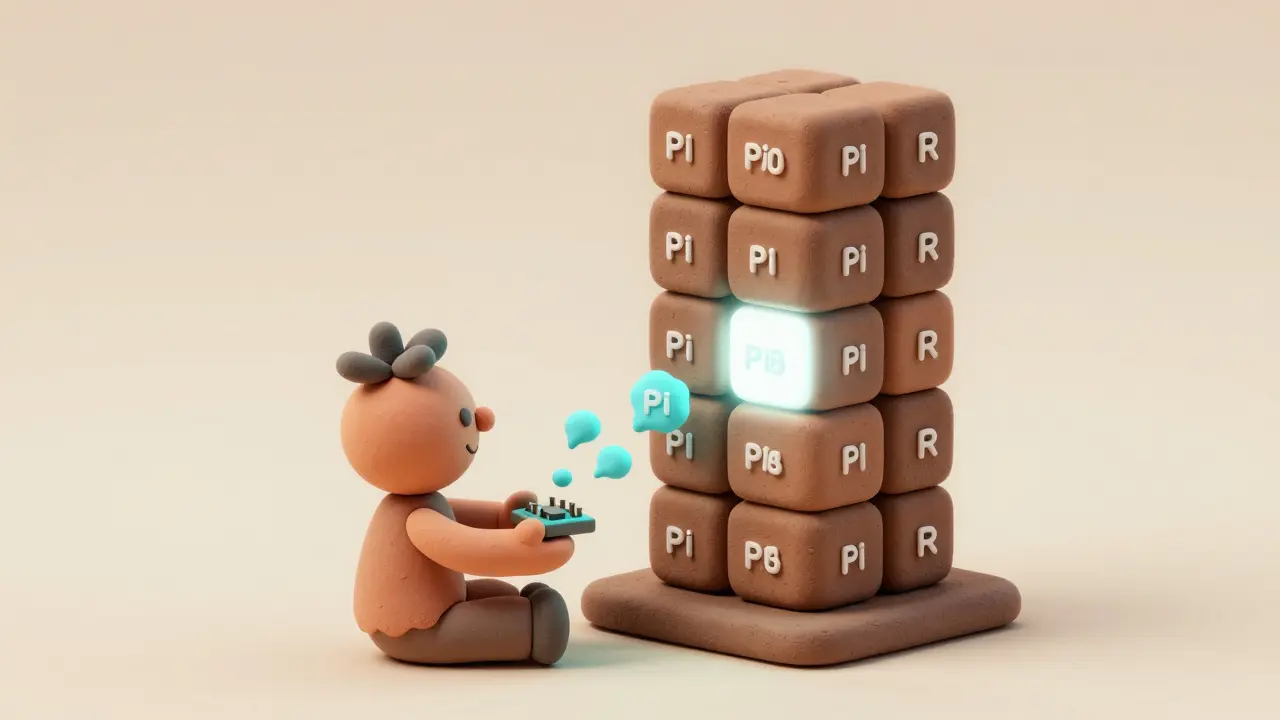
Sharding vs. Other Scaling Solutions
Many blockchains tried other scaling methods. Here’s how sharding stacks up:- Bigger blocks (like Bitcoin Cash): Faster, but centralizes power. Only big companies can run full nodes.
- Layer 2 rollups (Optimism, Arbitrum): Great for reducing fees, but they still rely on the base layer for security. Sharding helps them by making data cheaper to store.
- Sidechains (Polygon PoS): Independent chains with their own security. Less secure than sharding because they don’t inherit Ethereum’s security.
- Parachains (Polkadot): Similar to sharding, but each chain has its own validator set. Less trust-minimized than Ethereum’s model.
Who’s Using Sharding Today?
Ethereum is the most high-profile case, but it’s not alone. Zilliqa launched the first public blockchain with sharding back in 2019. But it only sharded transaction processing-not state. That means nodes still had to store the full state of the chain, limiting scalability. It’s a partial solution. Nervos Network and Near Protocol also use sharding, but with different designs. Near uses dynamic sharding, where the number of shards adjusts based on network load. That’s smart-it avoids over-provisioning resources. Enterprise adoption is growing. According to Gartner’s 2023 survey, 78% of companies evaluating blockchain tech now consider sharding. Why? Because DeFi has $65 billion locked in, NFTs are booming, and businesses need to handle thousands of transactions per second-not just a few dozen.What Developers Need to Know
If you’re building on Ethereum, sharding changes how you design apps. Cross-shard transactions used to be a nightmare. Now, with the Beacon Chain coordinating state, they’re more predictable-but still slower than intra-shard ones. Developers should assume that state changes across shards will have latency. Don’t build apps that require instant cross-shard confirmations. Use rollups for high-frequency interactions, and reserve on-chain actions for final settlement. Also, data availability sampling means your app won’t need to store everything. But you’ll need to ensure your smart contracts can verify data from blobs. Tools like the Ethereum Foundation’s blob reader libraries are now standard for dApp devs. A 2023 ConsenSys survey found that 42% of developers expect lower transaction costs as the biggest benefit. But 29% are worried about increased complexity. That’s real. Writing smart contracts that handle cross-shard logic requires new patterns and testing tools.
The Future: Sharding as Infrastructure
By 2027, Forrester Research predicts blockchains without effective scaling like sharding will be relegated to niche uses. That’s how critical it is. Sharding isn’t just about speed. It’s about making blockchain accessible. When you can run a node on a Raspberry Pi and still help secure the network, you’re not just scaling-you’re democratizing. The EU’s MiCA regulation, effective in 2024, now requires blockchain projects to ensure data reconstructability. That means if a shard goes offline, the data must still be recoverable. Sharding with DAS is the only way to meet that standard without centralizing storage. By 2030, blockchain is expected to hit 1 billion users. Without sharding, that’s impossible. With it? The foundation is set.Frequently Asked Questions
What is the main benefit of sharding in blockchain?
The main benefit is dramatically increased transaction throughput without sacrificing decentralization or security. By splitting the network into shards that process transactions in parallel, blockchains like Ethereum can scale from 15 TPS to over 100,000 TPS. This makes high-volume applications like DeFi and NFTs feasible on-chain.
Does sharding make blockchains less secure?
Not if implemented correctly. Early sharding designs were vulnerable to shard-specific attacks, but modern systems like Ethereum’s use random node assignment and data availability sampling (DAS) to prevent this. Nodes are shuffled between shards frequently, so an attacker can’t easily target one. DAS ensures no data can be hidden-any attempt to withhold transaction data is detected and rejected.
How does sharding compare to Layer 2 solutions like rollups?
Rollups improve scalability by moving transactions off-chain and only posting summaries to the main chain. Sharding improves scalability by increasing the main chain’s capacity to handle more data. They work together: rollups rely on sharding to store transaction data cheaply via data blobs. Without sharding, rollups would be too expensive to use at scale.
Why hasn’t sharding been fully deployed yet?
Because it’s extremely complex. Sharding requires changes to consensus, data storage, node communication, and security models. Ethereum spent over three years testing and refining its design. The Dencun upgrade in March 2024 was just a precursor-full sharding with 64 shards is targeted for 2025-2026 to ensure stability and security.
Can small nodes still participate after sharding?
Yes, that’s one of its biggest advantages. Before sharding, full nodes had to store the entire blockchain history. After sharding, nodes only store data from one shard and use data availability sampling to verify the rest. This means even low-power devices like Raspberry Pis can run full nodes and help secure the network, keeping decentralization strong.
What happens if a shard goes offline?
The network doesn’t crash. Data availability sampling ensures that even if a shard goes down, enough nodes have sampled its data to reconstruct it. The Beacon Chain tracks shard states, and if a shard becomes unavailable, validators can still verify past transactions using the sampled data. This prevents permanent data loss and maintains network integrity.
Durgesh Mehta
December 4, 2025 AT 14:49Sharding is the real deal. I've been running a node on a Raspberry Pi since Dencun and it's been smooth as butter. No more needing a gaming rig just to validate transactions. This is what decentralization looks like in practice.
Sarah Roberge
December 5, 2025 AT 03:45okay so like… i think sharding is just… a fancy word for splitting up the work right? like if you have 64 shards… isnt that just… dividing by 64? and what if one shard gets all the bad actors?? like… i feel like this is just… papering over the real problem??
Jess Bothun-Berg
December 5, 2025 AT 08:44Wow. Just… wow. Someone actually wrote a 2,000-word essay on sharding and didn’t mention the fact that data availability sampling is a security theater unless you’re running a full node-which most people aren’t. Also, ‘Raspberry Pi nodes’? Please. You can’t even run a full node on a Pi without overclocking it and praying to the blockchain gods. This is tech bro fantasy land.
Katherine Alva
December 5, 2025 AT 10:23Sharding is the quiet revolution we didn’t know we needed 🌱
It’s not just about speed-it’s about access. When your grandma can run a validator on her old laptop and help secure the network? That’s not scalability. That’s justice.
Also-data blobs? Genius. Finally, rollups can breathe. No more gas wars. Just peace. ✨
Mark Stoehr
December 5, 2025 AT 11:44everyone talks about sharding like its magic but nobody talks about how the beacon chain is a single point of failure waiting to happen
one ddos and boom everything slows to a crawl
and dont even get me started on cross shard txs
its a mess
and the devs are just pretending its not
Murray Dejarnette
December 6, 2025 AT 02:15Bro. You think this is hard? Try building a dApp that handles cross-shard state changes without a 300ms delay. I’ve been at it for months. The tools are garbage. The docs are written by people who think ‘async’ is a breakfast cereal. And don’t get me started on blob verification libraries-half of them don’t even compile on Windows. Sharding? More like shattering your productivity.
Sarah Locke
December 6, 2025 AT 17:46Let me say this clearly: Sharding isn’t just a technical upgrade-it’s a moral one.
It’s about power. Who gets to participate? Who gets to secure the network? Who gets to own their data?
Before sharding, only the wealthy with enterprise servers could be full nodes.
Now? A student in Nairobi, a retiree in Ohio, a coder in Jakarta-all can stand shoulder to shoulder as equals in securing the future of finance.
This isn’t code. This is liberation.
And if you’re still clinging to the idea that ‘bigger blocks’ or ‘sidechains’ are the answer… you’re not just behind the curve-you’re on the wrong mountain.