How to Create and Sell NFT Art: A Practical Guide for 2026
 Nov, 4 2026
Remember the chaos of 2021? Everyone was shouting about pixelated monkeys selling for millions. Fast forward to late 2026, and the dust has settled. The NFT art market isn't a casino anymore; it's a legitimate digital economy worth an estimated $15.3 billion. If you're an artist wondering if there's still room at the table, the answer is yes-but the rules have changed. You don't need a hype machine. You need a clear strategy, the right tools, and a bit of technical know-how.
This guide cuts through the noise. We aren't here to talk about moon shots. We're here to walk you through exactly how to turn your digital files into sellable assets on the blockchain, without burning cash on fees or getting lost in tech jargon.
The Reality Check: Where the Market Stands Today
Before you open Photoshop, understand the landscape. The speculative bubble burst, but utility remained. According to recent data from DappRadar, while transaction volumes are lower than the 2022 peak, buyer intent is higher. People aren't buying to flip them next week; they're buying because they like the art, want community access, or support the creator.
The average sale price for NFT art has stabilized around $142.50. That might sound low compared to headlines of million-dollar sales, but it’s realistic. Most successful artists in 2026 build income through volume and consistency, not one-off lottery wins. Also, keep in mind that environmental concerns have largely faded for most buyers since Ethereum shifted to proof-of-stake, cutting energy use by over 99%.
Step 1: Set Up Your Digital Studio (Wallet)
You can't sell anything if you don't have a place to receive payment. In the crypto world, this is your Web3 wallet. Think of it as a bank account combined with a passport-it holds your funds and proves who you are.
MetaMask remains the industry standard, used by roughly 82% of creators. It works seamlessly with browsers and connects to almost every major marketplace. If you prefer mobile-first experiences, Rainbow Wallet is a slick alternative with social login options.
- Create the Wallet: Download the extension or app. Follow the setup wizard.
- Back Up Your Seed Phrase: This is non-negotiable. You’ll get 12-24 random words. Write them down on paper. Never screenshot them. If you lose these words, you lose your art and money forever.
- Fund It: You need cryptocurrency to pay for gas fees (transaction costs). For Ethereum-based platforms, load up about 0.01-0.05 ETH. At current rates, that’s roughly $25-$125. Don’t overfund yet; start small to test the waters.
Step 2: Choose Your Canvas and Chain
Not all blockchains are created equal. Your choice affects cost, speed, and audience reach.
| Blockchain | Avg. Gas Fee | Market Share | Best For |
|---|---|---|---|
| Ethereum | $1.25 - $3.75 | 48.2% | High-value collectors, prestige |
| Solana | $0.00025 | 29.7% | High-volume drops, fast transactions |
| Base | <$0.05 | 14.3% | Newcomers, low-cost experimentation |
| Polygon | $0.02 | 7.8% | GameFi, integrated apps |
If you’re just starting, Base (an Ethereum layer-2 solution) is a smart move. It offers Ethereum-level security with negligible fees. OpenSea now operates heavily on Base, making it accessible without breaking the bank. Solana is great if you plan to launch large collections quickly, but the ecosystem feels more fragmented.
Step 3: Prepare Your Artwork
Digital art isn't just a JPEG drop-in-the-bucket. Metadata matters. Before uploading, ensure your files meet platform specs.
- Formats: Stick to PNG, JPG, GIF, MP4, or GLB (for 3D). Avoid obscure formats unless the platform explicitly supports them.
- File Size: Keep images under 100MB for OpenSea and 35MB for Magic Eden. Large files slow down loading times, which kills interest.
- Description: Write a compelling story. Who are you? What inspired this piece? Does owning it grant any perks? Collectors buy stories, not just pixels.
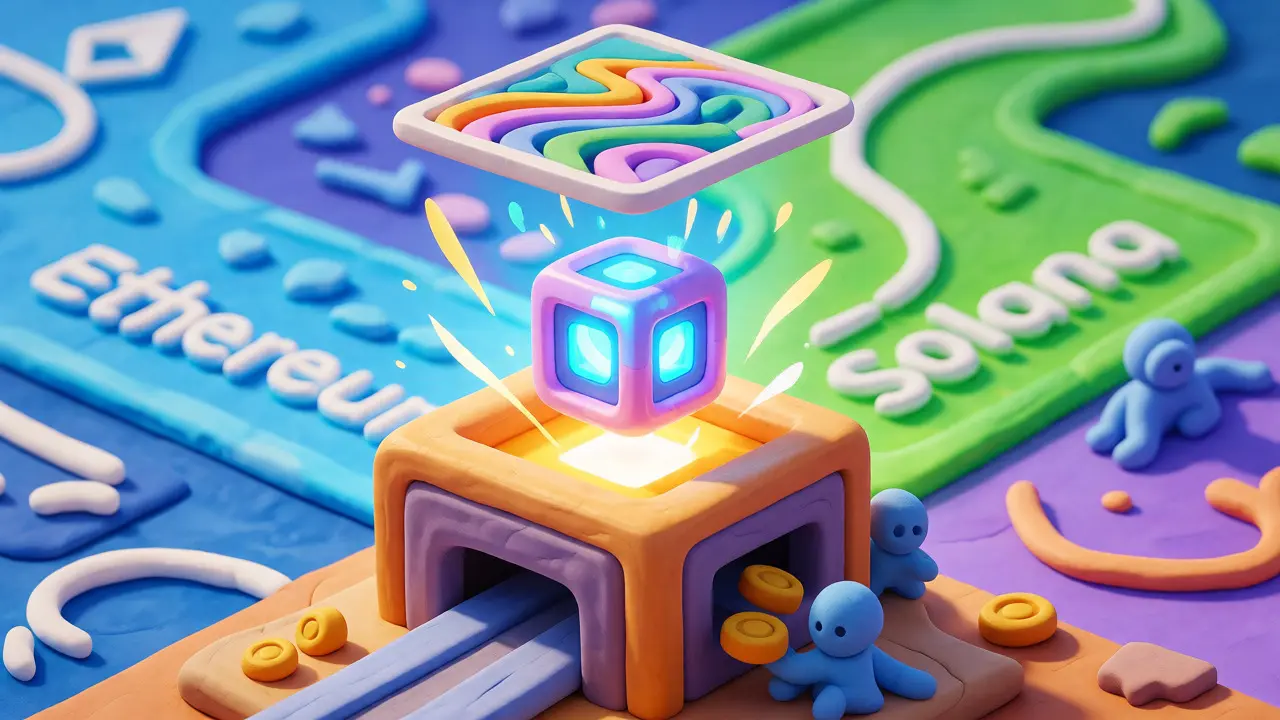
Step 4: Minting - Turning Files into Assets
Minting is the process of recording your artwork on the blockchain. It creates a unique token ID that proves ownership.
Most platforms offer "lazy minting" or free minting options where the buyer pays the gas fee upon purchase. This is crucial for beginners. If you mint upfront on Ethereum during peak hours, you could pay $40+ in fees for a single item. During off-peak hours (typically 2-5 AM UTC), that same mint might cost $5. Use tools like Etherscan’s Gas Tracker to time your moves.
When setting up your collection, define your royalty rate. Industry standards have settled between 2.5% and 10%. This means if someone resells your art later, you automatically get a cut. OpenSea enforces a minimum 2.5% royalty for new collections, so factor that into your pricing strategy.
Step 5: Choosing the Right Marketplace
Your marketplace determines your visibility. There is no "best" platform, only the best fit for your goals.
OpenSea dominates with a 56.3% market share. It has the largest audience, which is good for discovery, but it’s crowded. Standing out requires strong marketing.
Magic Eden has surged in popularity, especially among Solana users and those seeking a cleaner interface. It launched partnerships with traditional art platforms like Artsy, bridging the gap between digital and physical galleries. Their approval process is faster, often instant, which helps maintain momentum.
Foundation is exclusive. You need an invite or a vote from existing members to list. It attracts high-quality, curated art and serious collectors. If you already have a reputation in the digital art scene, this is your playground. If you’re new, save Foundation for later.
Step 6: Pricing and Listing Strategy
Don’t guess your price. Look at comparable artists. If you’re unknown, start low ($20-$50) to build initial sales history. Once you have 5-10 sales, raise prices incrementally.
Choose your listing type wisely:
- Fixed Price: Best for stable demand. Simple and direct.
- Auction: Good for generating buzz. Timed auctions create urgency. Dutch auctions (price starts high and drops until sold) work well for limited editions.
Set a reasonable duration. Two weeks is standard. Too short, and you miss international buyers; too long, and interest fades.

Marketing: The Real Work Begins After Minting
Here’s the hard truth: 79% of unsold NFTs fail due to poor promotion, not bad art. You cannot rely on the marketplace algorithm alone.
You need a presence on at least three platforms. Twitter (X) remains the hub for crypto-native collectors. Instagram works for visual storytelling. Discord is essential for building community. Spend at least 30 minutes daily engaging authentically. Don’t spam links. Join conversations. Share behind-the-scenes sketches. Show your process.
Consider utility. Can holders join a private Discord channel? Do they get a print of the artwork? Dynamic NFTs, which change based on real-world data or owner actions, are gaining traction. 28% of new collections in late 2025 incorporated dynamic elements. This adds value beyond static images.
Taxes and Legal Considerations
Money made from NFTs is taxable income in most jurisdictions, including the US. The IRS treats NFTs as property. Every sale is a taxable event. Keep detailed records of dates, amounts, and wallet addresses.
Regulations are tightening. The EU’s MiCA framework requires identity verification on major exchanges. While the US hasn’t passed comprehensive NFT-specific laws, the SEC watches closely. If your NFT promises investment returns, it might be classified as a security. When in doubt, consult a tax professional familiar with crypto.
Common Pitfalls to Avoid
Many beginners stumble on avoidable errors. Here’s what to watch out for:
- Ignoring Gas Fees: Always check network congestion before minting. One Reddit user reported paying $42.75 in gas for a $30 NFT. Learn from his mistake.
- Overpromising Utility: Don’t promise a metaverse land parcel if you haven’t secured it. Deliver what you say.
- Neglecting Community: An empty Discord server signals low demand. Build relationships before launching.
- Copyright Confusion: Owning an NFT doesn’t always mean owning copyright. Clarify rights in your description. Usually, you retain commercial rights unless stated otherwise.
Final Thoughts: Play the Long Game
Creating and selling NFT art in 2026 is less about gambling and more about running a digital business. Success comes from consistency. Release work regularly. Engage with your audience. Adapt to new platforms like Base or Solana if fees become prohibitive elsewhere.
The market has matured. Buyers are smarter. They look for provenance, quality, and connection. If you treat your NFT practice with the same professionalism as a gallery exhibition, you’ll find sustainable success. Start small, learn the ropes, and scale up as you gain confidence.
Do I need to code to create an NFT?
No. Most major marketplaces like OpenSea and Magic Eden offer no-code interfaces. You simply upload your file, fill in details, and click 'Create.' Coding is only necessary if you want to build custom smart contracts or interactive features.
How much does it cost to mint an NFT?
It varies wildly by blockchain. On Ethereum, it can range from $1 to $50+ depending on network traffic. On Solana or Polygon, it’s usually under $0.10. Many platforms also offer 'lazy minting,' where the creator pays nothing upfront, and the buyer covers the gas fee upon purchase.
Can I sell AI-generated art as an NFT?
Yes, but transparency is key. Clearly label it as AI-assisted or AI-generated. Some collectors dislike undisclosed AI work. Adding your own edits or curation increases its perceived value and uniqueness.
What happens if my NFT doesn't sell?
Nothing bad happens financially if you used lazy minting. If you paid gas fees upfront, you’ve spent money on listing. You can relist it later, adjust the price, or burn it (send it to a null address) to remove it from circulation. Unsold items don’t expire automatically.
Do I need to pay taxes on NFT sales?
In most countries, yes. Sales are typically treated as capital gains or ordinary income. Keep records of all transactions, including dates and values in fiat currency at the time of sale. Consult a local tax advisor for specific rules.