IDTT Identity IDO Launch Airdrop: What You Need to Know in 2025
 Dec, 23 2025
If you’re hearing about the IDTT Identity IDO launch airdrop for the first time, you’re not alone. Unlike big-name projects like Berachain or Kaito AI, there’s no official whitepaper, no public roadmap, and no verified announcement from IDTT’s team yet. That doesn’t mean it’s not real-it just means you need to cut through the noise. In 2025, identity-focused blockchain projects are gaining serious traction, and IDTT could be one of them. But here’s the hard truth: if you’re waiting for a confirmed airdrop drop date or a list of eligibility rules, you won’t find it. Not yet.
What Is IDTT Identity?
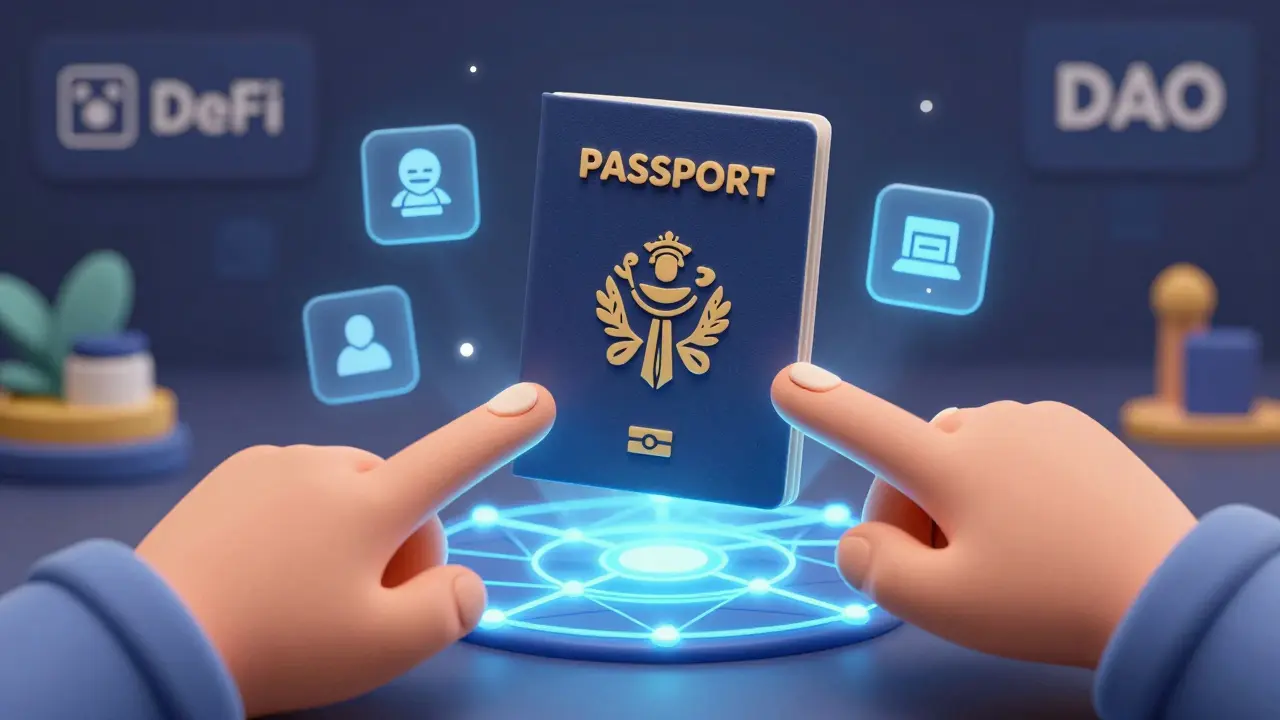
IDTT Identity appears to be a decentralized identity (DID) project built to solve one of crypto’s biggest unsolved problems: proving who you are without handing over your personal data. Think of it like a digital passport that lives on the blockchain-something you control, not a company. It’s not just about logging in to a website. It’s about owning your reputation, credentials, and history across apps, DeFi platforms, and Web3 services.
Projects like idOS are already doing this. They’ve built storage networks, integrated with FCL wallets, and delayed token launches to focus on real utility first. If IDTT is following the same path, then their airdrop isn’t a marketing stunt-it’s a reward for early builders. That means if you’ve been testing their testnet, submitting feedback, or using their identity verification tools, you might already qualify.
Why Identity Projects Are Hot in 2025
Identity isn’t just a feature anymore-it’s infrastructure. In 2025, every DeFi protocol, NFT marketplace, and DAO needs to know who’s interacting with it. Without identity, you get sybil attacks, fake accounts, and washed NFTs. With it, you get fairer lending, better governance, and real accountability.
Major chains like Ethereum, Polygon, and Solana are now integrating DID standards. Even big players like Circle and Chainlink are exploring identity layers. That’s why projects like IDTT are getting attention. They’re not selling a token-they’re selling trust. And trust doesn’t come from a tweet. It comes from action.
How Airdrops Work in 2025 (And Why They’re Not Random)
Remember when airdrops were just giveaways to random wallets? Those days are over. In 2025, airdrops are strategic tools. Projects like Kaito AI gave tokens to NFT holders who already used their AI tools. Berachain rewarded liquidity providers who stayed active for months. No random addresses. No bots. No vanity wallets.
If IDTT runs an airdrop, it won’t be based on “follow us on Twitter.” It’ll be based on:
- Using their identity verification tool on testnet
- Submitting real-world credential proofs (like education or employment)
- Participating in community governance polls
- Running a node or contributing to their open-source code
Why? Because they need users who will stick around. A token without users is just a number on a screen. A token with active identity contributors? That’s a network.

What You Should Do Right Now
Don’t wait for an official announcement. Start building your case now. Here’s what to do:
- Find their official website and social channels. Look for links on GitHub, Discord, or Lens Protocol. Avoid Telegram groups with 50,000 members and no verification.
- Check their GitHub repo. Are they pushing code? Are commits recent? Are there open issues being closed? Active development = real project.
- Join their testnet. If they have one, sign up. Use the identity tools. Try to verify your profile. Record what you did.
- Engage in their community. Answer questions. Report bugs. Don’t just ask when the airdrop is-help them build it.
- Track their on-chain activity. Use tools like Dune Analytics or Nansen to see if their wallets are moving tokens, locking liquidity, or interacting with other protocols.
These aren’t just tips. They’re the same steps taken by people who got early tokens from idOS, Lit Protocol, and other identity projects. The ones who waited for a tweet? They missed out.
Red Flags to Watch Out For
Not every IDO or airdrop is legit. In 2025, scams are smarter. Here’s what to watch for:
- “Pay to join the airdrop” - real projects never ask for money upfront.
- Anonymous team - if you can’t find names, LinkedIn profiles, or past projects, walk away.
- No audit report - if their smart contracts haven’t been audited by CertiK, OpenZeppelin, or similar, treat it as high risk.
- Too many promises - “100x returns,” “guaranteed airdrop,” “limited spots” - these are classic hype traps.
- No transparency dashboard - serious projects show token allocations, vesting schedules, and wallet distributions in real time.
If you see any of these, it’s not a project. It’s a pump-and-dump.

What Happens After the Airdrop?
Most people think the airdrop is the finish line. It’s not. It’s the starting line. After tokens are distributed, the real test begins: adoption.
Will IDTT’s token be used to pay for identity verification? Will it be staked to earn access to premium credentials? Will it be used in DAO voting for new identity standards? If yes, then the token has value. If no, then it’s just another memecoin with a fancy name.
Look at what happened with Farcaster. The airdrop didn’t make people rich overnight-it gave them governance power. And that’s what matters long-term.
Final Reality Check
Here’s the thing: IDTT Identity might not even exist as a public project yet. Or it might be in stealth mode. Either way, the space is moving fast. Identity is the next big layer in Web3. The winners won’t be the ones who got the first airdrop. They’ll be the ones who helped build the system.
So don’t chase a drop. Chase participation. Be the person who shows up early, asks smart questions, and helps fix problems. That’s how you earn real value in 2025-not by signing up for a newsletter, but by building something that lasts.
Is the IDTT Identity airdrop confirmed?
No, there is no official confirmation of an IDTT Identity airdrop as of December 2025. No whitepaper, roadmap, or official announcement has been published by the team. Any claims of a confirmed drop are likely rumors or scams. Always verify through official channels like their GitHub, website, or verified social accounts.
How can I qualify for the IDTT Identity airdrop?
Since no official criteria exist, the best strategy is to engage with their platform early. Use their testnet identity tools, submit credential proofs, report bugs, and contribute to discussions. Projects like idOS and Lit Protocol rewarded users who built with them-not those who just followed on Twitter. If IDTT follows this model, your on-chain activity will be your ticket.
When will the IDTT Identity IDO launch?
There is no announced date. In 2025, top identity projects delay token launches to build real utility first. If IDTT is serious, expect the IDO to happen after testnet adoption proves strong-likely in late 2025 or early 2026. Watch for on-chain liquidity locks and audit reports as signals of readiness.
Are there any similar identity airdrops I can watch?
Yes. The idOS project announced an airdrop snapshot for FCL wallet holders in Q2 2025. Lit Protocol’s $LIT token rewarded early users of their decentralized storage and identity tools. Kaito AI targeted NFT holders and Binance users. These are examples of identity-focused airdrops that rewarded genuine participation, not just wallet addresses.
Can I trust Telegram groups claiming to have IDTT airdrop details?
No. Telegram groups with thousands of members offering airdrop links, private keys, or early access are almost always scams. Real projects never ask you to send crypto or connect your wallet to unverified sites. Always go back to the official website or GitHub. If you can’t find it there, it’s not real.
Dustin Bright
December 24, 2025 AT 00:01chris yusunas
December 25, 2025 AT 22:19Rishav Ranjan
December 26, 2025 AT 10:07Grace Simmons
December 27, 2025 AT 04:30Steve B
December 28, 2025 AT 01:19