Iraq Crypto Mining Ban Since 2017: Rules, Risks, and Underground Reality
 Jul, 21 2026
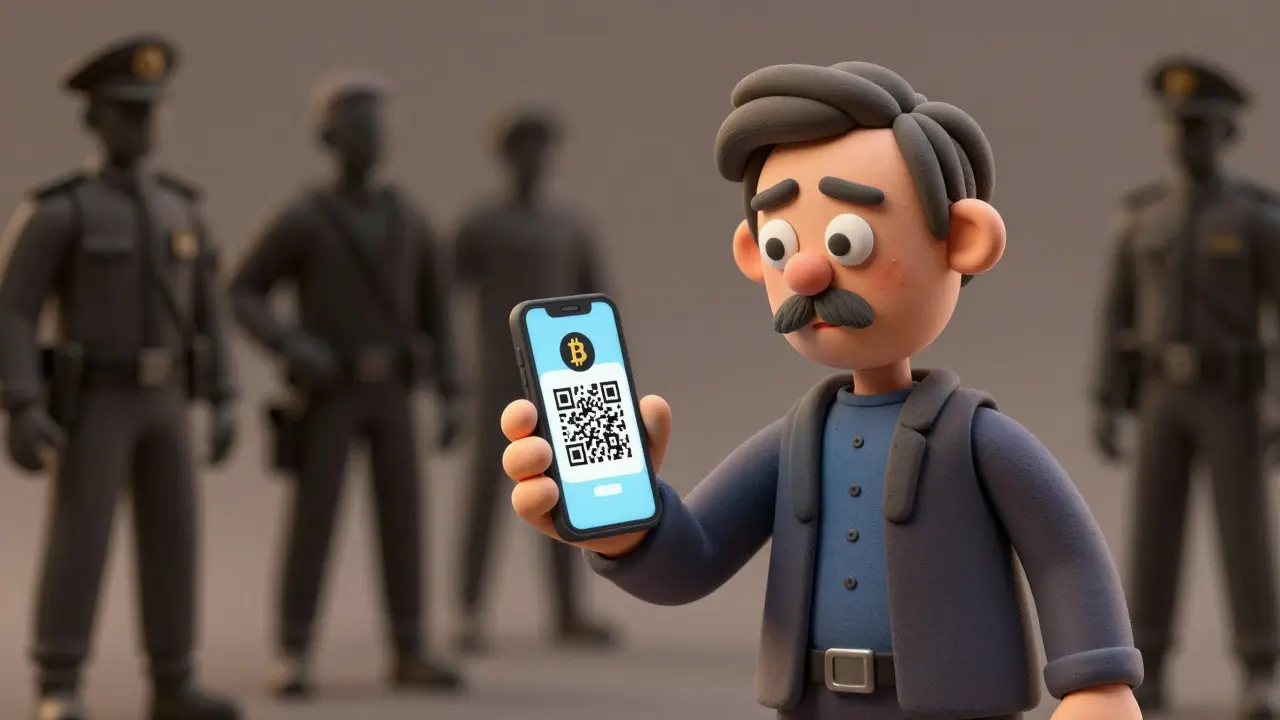
Imagine trying to buy a coffee in Baghdad using Bitcoin. You pull out your phone, scan the QR code, and wait for the transaction to clear. Instead of a receipt, you get a visit from authorities. This isn’t science fiction; it’s the reality for many in Iraq since 2017. The Central Bank of Iraq (CBI) slammed the door on cryptocurrency trading and mining, creating one of the strictest regulatory environments in the world.
If you are looking to invest in Iraqi crypto markets or start a mining operation there, you need to know the ground rules first. The ban is real, the enforcement is sporadic but serious, and the underground market is alive and kicking. Here is everything you need to understand about the state of digital assets in Iraq today.
The 2017 Prohibition: Why Iraq Said No
In 2017, the Central Bank of Iraq issued a comprehensive directive that effectively outlawed all forms of cryptocurrency activity. This wasn't just a warning shot; it was a full stop. The CBI cited several critical risks that threatened the nation's fragile financial stability.
The primary concerns were straightforward:
- Financial Crimes: Cryptocurrencies could be used for money laundering and terrorist financing, which are major security concerns in the region.
- Market Volatility: The wild price swings of assets like Bitcoin posed a risk to ordinary citizens who might lose their savings.
- Lack of Regulation: Digital currencies operate outside the traditional banking framework, meaning they couldn't be taxed or monitored by the government.
- Consumer Protection: Without legal recourse, victims of scams had nowhere to turn.
This stance aligned Iraq with a small group of nations-including China, Egypt, and Bangladesh-that chose prohibition over regulation. While some countries have since softened their stance, Iraq has maintained its hardline position. The CBI continues to warn against the circulation of digital currencies and prohibits banks from using electronic wallets or digital cards for speculative trading.
Underground Markets: How People Still Trade
Bans rarely kill demand; they just drive it underground. Despite the official prohibition, a vibrant informal economy exists across Iraq. In Baghdad, Erbil, and Basra, traders meet in cafes, whispering deals to avoid detection. They use social media platforms like Facebook and Telegram to coordinate trades, keeping their profiles private and their communications encrypted.
Take Ahmed Crypto, a 33-year-old resident of Baghdad. He holds about $10,000 worth of digital assets but operates entirely off the grid. "The Central Bank’s position is backward," he says. "They fear what they don’t understand." Ahmed used to work from an office, but after receiving warnings from authorities, he moved his operations online and keeps his physical location secret.
These underground networks rely on trust and peer-to-peer transfers. Traders often use local bank accounts to move fiat currency (Iraqi Dinar) while settling the crypto portion via overseas exchanges or direct wallet transfers. It’s risky, slow, and expensive, but for those who believe in blockchain technology, it’s worth the hassle.
Enforcement Realities: Arrests vs. Silence
How strictly is the ban enforced? The answer is complicated. On paper, the law is absolute. In practice, enforcement is inconsistent.
There have been reports of arrests. According to sources within the underground trading community, at least two individuals were detained for cryptocurrency-related activities. However, legal expert Hayan Al-Khayyat notes that formal trials specifically charging individuals with "crypto trading" are rare. Most cases seem to be handled through administrative pressure or broader charges related to financial irregularities.
This creates a gray area. Small-scale traders often fly under the radar, while larger operators face greater scrutiny. The lack of clear legal precedent means that anyone caught holding significant amounts of crypto could face unpredictable consequences. For now, silence is the best policy for Iraqi crypto enthusiasts.
Environmental Concerns and Energy Policy
One often-overlooked aspect of Iraq’s crypto ban is energy consumption. Bitcoin mining requires massive amounts of electricity, and Iraq’s power grid is already strained. During summer months, blackouts are common, affecting millions of households.
Greenpeace USA identified Iraq as one of the first countries to address the environmental impact of Proof-of-Work mining when the CBI issued its 2017 statement. By banning mining, the government aimed to preserve limited energy resources for essential services rather than allowing them to be consumed by speculative digital asset production.
This decision mirrors global trends. Even in countries where crypto is legal, regulators are increasingly scrutinizing the carbon footprint of mining operations. In Iraq, however, the ban serves a dual purpose: protecting financial stability and conserving scarce energy supplies.
Impact on Business and Cross-Border Payments
The crypto ban doesn’t just affect individual investors; it impacts businesses too. Iraq’s stringent Anti-Money Laundering (AML) framework, combined with the outright prohibition of digital currencies, creates a complex compliance landscape.
For companies engaged in international trade, the absence of fast, low-cost payment channels like stablecoins forces reliance on traditional banking systems. These systems are slower, more bureaucratic, and prone to delays. Funds can be frozen or rejected without clear explanation, increasing operational costs and uncertainty.
Startups and tech entrepreneurs find themselves at a disadvantage. Without access to global crypto ecosystems, raising capital from international investors becomes harder. Many Iraqi developers leave the country to join friendlier jurisdictions, contributing to a brain drain that hinders local innovation.
Global Context: Where Does Iraq Stand?
To understand Iraq’s position, it helps to look at the global picture. As of 2025, only a handful of countries maintain complete bans on cryptocurrency transactions. Iraq stands alongside nations like Algeria, Nepal, and Afghanistan in this restrictive category.
| Country | Status | Key Reason for Restriction |
|---|---|---|
| Iraq | Complete Ban | Financial stability, energy conservation |
| China | Mining Ban / Trading Restricted | Capital controls, climate goals |
| Egypt | Religious & Economic Ban | Islamic law interpretations, inflation fears |
| Bolivia | Reversed Ban (2024) | Previously banned due to volatility; now allows regulated processing |
| USA | Regulated | Taxation, AML compliance, consumer protection |
Note how Bolivia reversed its ban in 2024, allowing regulated institutions to process crypto transactions. This shift highlights a growing global trend toward regulation rather than prohibition. Iraq, however, remains steadfast. There are no current indications that the CBI plans to reconsider its stance anytime soon.
Future Outlook: Will the Ban Lift?
Change is possible, but unlikely in the short term. The persistence of informal trading demonstrates the limitations of prohibition. As Ashur Al-Nuaimi, another member of Iraq’s crypto community, points out, "Government prohibition will not eliminate mining and trading activities. We will always find alternative ways."
Some experts argue that legalization with proper oversight could generate tax revenue and bring transparency to the sector. If Iraq were to follow the path of countries like Bahrain or the UAE, it could establish a special economic zone for blockchain innovation, attracting foreign investment and talent.
However, until the political and economic situation stabilizes further, the Central Bank is likely to prioritize control over innovation. For now, the message from Baghdad remains clear: stay away from crypto, or do so at your own risk.
Practical Advice for Expats and Investors
If you live in Iraq or plan to do business there, here are some practical steps to navigate the crypto landscape:
- Avoid Public Discussion: Keep your crypto holdings private. Don’t post about trades on social media or discuss them openly in public spaces.
- Use Secure Connections: Always use VPNs and encrypted messaging apps when communicating with other traders.
- Consider Offshore Accounts: If you need to trade frequently, consider opening accounts with reputable international exchanges that support Iraqi users (if available) or use intermediaries abroad.
- Monitor Legal Changes: Stay updated on any new directives from the CBI. Laws can change quickly, and being informed protects you from unexpected penalties.
- Consult Local Lawyers: Before making significant investments, speak with a lawyer familiar with Iraqi financial regulations. They can provide guidance on minimizing risk.
Remember, ignorance of the law is no excuse. Even if everyone else is doing it, you could still be the one targeted for enforcement.
Is Bitcoin legal in Iraq in 2026?
No, Bitcoin and other cryptocurrencies remain illegal for trading and mining in Iraq. The Central Bank of Iraq imposed a comprehensive ban in 2017, which is still in effect. While enforcement varies, engaging in crypto activities carries legal and financial risks.
Can I mine Bitcoin in Iraq?
Technically, yes, but legally, no. Mining is prohibited by the Central Bank of Iraq due to concerns over energy consumption and financial regulation. Those who mine do so secretly, risking confiscation of equipment and potential arrest.
Why did Iraq ban cryptocurrency?
Iraq banned crypto primarily to protect its financial system from volatility, prevent money laundering, and conserve limited electricity resources. The government views unregulated digital assets as a threat to national economic stability.
Are there any exceptions to the crypto ban?
Currently, there are no official exceptions. All forms of trading, mining, and even holding large quantities of cryptocurrency are discouraged and potentially punishable. Banks are forbidden from processing crypto-related transactions.
Will Iraq lift the crypto ban in the future?
There are no immediate plans to lift the ban. While global trends are moving toward regulation, Iraq’s Central Bank remains cautious. Any change would likely require significant improvements in the country’s overall economic and political stability.
How do people trade crypto in Iraq despite the ban?
Traders use informal networks, social media groups, and peer-to-peer platforms. Transactions are often conducted discreetly in person or via encrypted messages, using local bank transfers for fiat currency and overseas wallets for crypto settlement.
What happens if you get caught trading crypto in Iraq?
Consequences can include confiscation of funds and equipment, fines, or even detention. While formal trials are rare, administrative pressures and informal warnings are common. The lack of clear legal precedent makes outcomes unpredictable.
Lisa Chong
July 23, 2026 AT 06:13The Central Bank of Iraq is merely the tip of the iceberg in a globalist plot to control your financial freedom through fear and scarcity. They claim it is for 'stability' but we know the truth; they are afraid of the decentralized nature of blockchain which threatens their monopoly on power. The energy grid excuse is a blatant lie designed to keep the populace dependent on state-controlled resources while elites mine off-grid. Do not be fooled by their benevolent facade. They want you poor, connected, and monitored. Every blackout is a calculated move to suppress dissent and innovation. Wake up sheeple before they seize your hardware too.
Heather Austin
July 23, 2026 AT 07:12look at the table provided in the article its pretty clear that iraq is following the same path as china and egypt initially. the main issue here isnt just money laundering its actually the physical infrastructure. iraq's power grid cant handle the load from mining rigs without causing massive blackouts for regular people. so while the ban feels heavy handed it makes sense from an engineering standpoint. if you want to trade you have to do it quietly like ahmed does because the legal framework just doesnt exist yet.
Ran Tao
July 23, 2026 AT 12:22Oh please 🙄 this entire narrative is so boringly predictable. Everyone acts like crypto is some magical savior but let’s be real, most of these 'underground traders' are just gambling addicts losing their shirts. And don’t get me started on the 'energy conservation' argument-it’s such a pretentious excuse used by governments that can’t even provide basic electricity reliably. It’s tragic how naive people think buying Bitcoin will save them when the system is rigged anyway. Truly a spectacle of human folly 😂💸
Korn Arrieta
July 25, 2026 AT 04:30You are missing the fundamental point of market dynamics. The ban creates a black market premium which actually increases profitability for those brave enough to operate within it. This is basic economics 101. Supply is restricted demand remains high therefore value accrues to the asset holders who understand risk management. The average joe fears volatility but the informed investor sees opportunity in chaos. Stop whining about regulation and start understanding leverage.
Jackie D
July 26, 2026 AT 03:28its wild how the brain drain mentioned in the post is happening right under our noses. talented devs leaving for dubai or bahrain because they cant innovate at home. i feel bad for the local startups trying to raise capital without access to stablecoins. it slows everything down and makes international payments a nightmare. maybe one day theyll see the light but until then its just a lot of friction for everyone involved.
Ruth Williams
July 27, 2026 AT 03:48It is quite evident that the Iraqi authorities possess a level of foresight that the uneducated masses fail to comprehend. Allowing speculative assets to circulate freely would undoubtedly lead to economic ruin for the common citizenry. The comparison to Bolivia’s reversal is noted, yet one must consider the differing geopolitical stability between the two nations. Prudence dictates maintaining strict controls until a robust regulatory framework can be established. Ignorance of the law is no excuse, and citizens should adhere to the directives of their central bank with diligence.