Kosovo Crypto Mining Ban: How Energy Crisis Reshaped Regulations
 Nov, 7 2026
Imagine earning €2,000 a month in a country where the average salary is barely €400. That was the reality for many crypto miners in Kosovo before January 2022. Then, overnight, it all stopped. The government didn’t just tweak the rules; they slammed the brakes on an entire industry because the lights were starting to flicker across the nation. If you’ve ever wondered how a small Balkan state’s power grid can dictate the fate of digital gold, this story holds serious lessons for every crypto enthusiast and policy watcher.
| Aspect | Details |
|---|---|
| Ban Date | January 4, 2022 |
| Primary Cause | Severe energy shortage and grid instability |
| Enforcement Method | Police raids and equipment confiscation |
| Current Status (2026) | Allowed only with alternative energy sources |
| Average Miner Income (Pre-Ban) | Up to €2,000/month |
The Perfect Storm: Why Kosovo Pulled the Plug
To understand the ban, you have to look at the power plant that wasn’t running. In late 2021, one of Kosovo’s two major coal-fired power plants shut down for maintenance and technical issues. This wasn’t just a minor hiccup; it created a massive supply gap. With approximately 1.8 million inhabitants relying on a fragile electrical grid, the government declared a 60-day state of emergency in December 2021. Suddenly, electricity became a precious commodity, not a given.
Crypto mining, by its nature, is an energy hog. It doesn’t care about your household lights staying on; it cares about hashing algorithms. In Kosovo, this clash came to a head. The acting Economy Minister, Artane Rizvanolli, acted on recommendations from the Technical Committee for Emergency Measures in Energy Supply. The logic was stark: if we don’t cut the biggest non-essential power users, homes and hospitals might go dark. So, on January 4, 2022, the ban hit. It wasn’t a gentle suggestion-it was a hard stop on cryptocurrency production across the entire territory.
The Economic Shockwave for Local Miners
For the miners, this was catastrophic. Before the ban, Kosovo was a secret hotspot for Bitcoin mining. Why? Because electricity was either free or heavily subsidized. Many miners operated in northern Kosovo, particularly in Serb-majority enclaves, where regulatory oversight had been loose. Individuals like "Dragan," a pseudonym used in local reporting, were pulling in up to €2,000 monthly. That’s five times the average income in one of Europe’s poorest countries. They had invested thousands-sometimes tens of thousands-of euros into specialized ASIC rigs, expecting long-term returns.
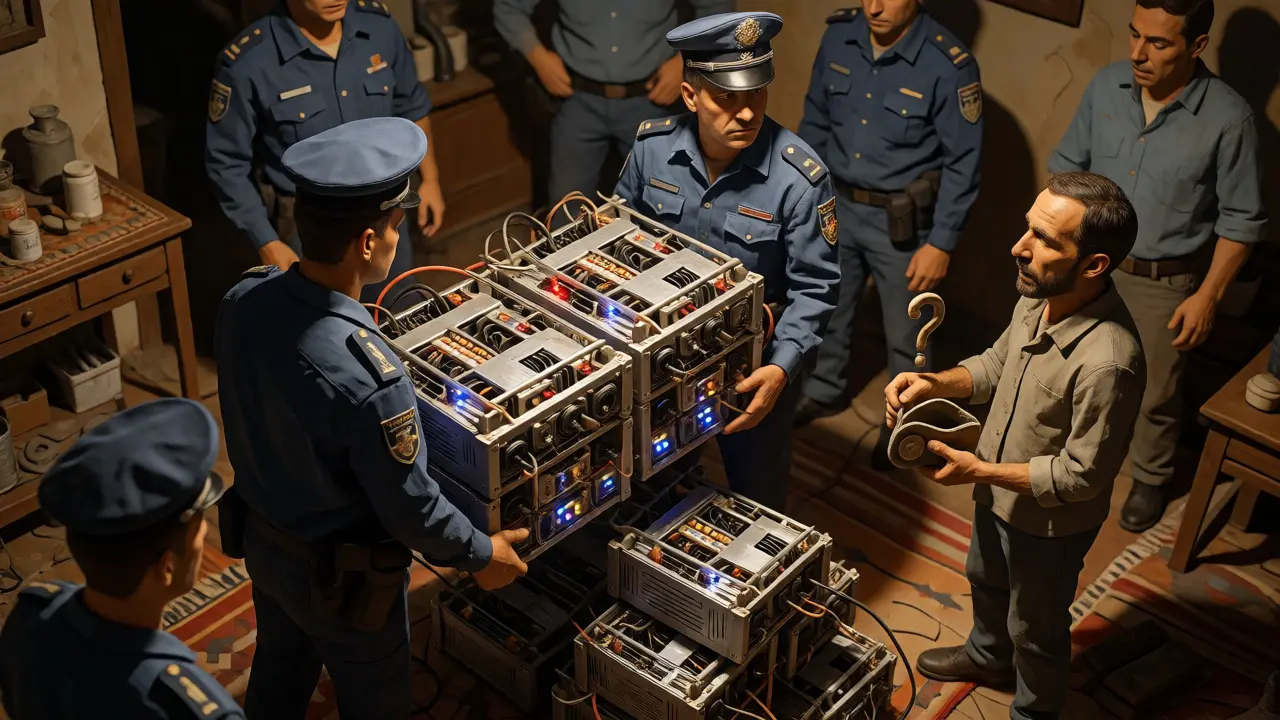
When the police showed up, they didn’t just issue fines. They confiscated hundreds of high-tech devices. Each operation could involve equipment worth €20,000 to €30,000. Imagine buying a car on credit, using it to earn money, and then having the bank seize the car because you used too much gas during a fuel shortage. That’s essentially what happened. The sudden prohibition devastated the local crypto community, leaving many with debt and no revenue stream.
From Total Ban to Conditional Permission
Did the ban last forever? Not exactly. As of 2026, the situation has evolved from a blanket prohibition to a nuanced regulatory framework. The core principle remains: protect the public grid. However, the door isn’t completely closed anymore. According to Mimoza Kusari-Lila, who chaired the parliamentary working group on crypto legislation, mining is now permitted-but only if you use alternative energy sources.
This shift reflects a pragmatic approach. The government realized that banning the technology entirely stifled potential economic growth, but allowing it on the public grid threatened energy security. So, the new rule is simple: bring your own power. Solar, wind, or other independent sources are fair game. But plug into the universal public grid? You’re out of luck. This distinction aims to balance innovation with infrastructure stability.
The Legal Gray Area and European Influence
Here’s the tricky part: when the ban started, there was actually no specific law regulating crypto mining in Kosovo. The government used emergency powers. Legal experts questioned the authority behind these sweeping restrictions, noting that the response was reactive rather than legislative. It highlighted a common problem in emerging tech sectors: regulation often lags far behind adoption.
Since then, efforts have been underway to draft comprehensive cryptocurrency legislation. Work began in summer 2021, aiming to verify imported mining equipment, monitor transactions, and establish taxation frameworks. But progress has been slow. The European Commission stepped in, sending advisers to address money laundering concerns and ensure compatibility with EU best practices. Jeta Statovci, vice-president of the parliamentary Committee for Industry, reported that the draft law was nearly complete, but these international consultations added layers of complexity. The goal isn’t just to tax miners; it’s to prevent organized crime from hiding behind digital anonymity.

Global Context: Is Kosovo Alone?
Kosovo isn’t the only place cracking down on energy-intensive mining. By April 2024, at least eight countries had implemented outright bans or strict restrictions. China set the biggest precedent in 2021, shutting down nearly three-quarters of global Bitcoin mining capacity. Other nations followed suit, citing environmental goals and energy security.
The environmental argument is potent. Studies from the University of Cambridge indicate that only 39% of electricity powering Bitcoin mining comes from renewable sources. The remaining 61% relies on natural gas, oil, and coal. For a country like Kosovo, which already struggles with pollution and coal dependency, adding more load to fossil-fuel-heavy grids felt unsustainable. These statistics fueled the international consensus supporting restrictions, making Kosovo’s move part of a broader trend rather than an isolated incident.
What This Means for Future Crypto Investments
If you’re looking at Kosovo as a potential hub for future mining operations, proceed with caution. The regulatory landscape is still solidifying. While the conditional permission for alternative energy offers a path forward, enforcement mechanisms need to be robust. Distinguishing between legitimate off-grid solar power and sneaky grid usage requires precise monitoring.
Industry observers see Kosovo’s evolution as a case study in balancing act. Initial emergency responses gave way to sophisticated frameworks. For investors, this signals that regulatory clarity is coming, but it will likely favor those who can operate independently of national utilities. The days of exploiting subsidized electricity are over. The future belongs to miners who can prove their energy source is clean, independent, and legally compliant.
Why did Kosovo ban cryptocurrency mining?
Kosovo banned cryptocurrency mining primarily due to a severe energy crisis in late 2021. One of the country's main coal-fired power plants shut down, causing a critical shortage in the national electrical grid. To prevent blackouts for households and essential services, the government declared a state of emergency and prohibited energy-intensive mining activities that relied on the public grid.
Is cryptocurrency mining legal in Kosovo today?
Yes, but with strict conditions. As of recent updates, mining is permitted only if it uses alternative energy sources, such as solar or wind power. Operations that draw electricity from the universal public grid remain prohibited to ensure energy security for general consumers.
How did the ban affect local miners financially?
The financial impact was devastating for many. Before the ban, miners earned significantly above the local average wage, with some making up to €2,000 per month. When the ban was enforced via police raids, miners lost their primary income source and faced losses on expensive equipment investments, valued between €20,000 and €30,000 per operation, which were often confiscated.
What role did the European Union play in Kosovo's crypto regulations?
The European Commission actively intervened in Kosovo's legislative process by sending advisers to review the draft cryptocurrency law. Their focus was on anti-money laundering compliance and ensuring the regulations aligned with European best practices, which contributed to delays in finalizing the comprehensive legal framework.
How does Kosovo's ban compare to other countries?
Kosovo's ban aligns with a global trend of restricting energy-intensive Proof-of-Work mining. Countries like China implemented even broader bans in 2021. Kosovo's unique aspect was its initial reliance on emergency powers due to a specific grid failure, followed by a transition to a conditional model based on renewable energy usage.