Leonicorn Swap LEOS Mega New Year Event Airdrop: What Actually Happened
 Mar, 7 2026
Back in late December 2025, the crypto world buzzed about the Leonicorn Swap LEOS Mega New Year Event airdrop. Thousands of users claimed they were eligible. Wallets lit up with notifications. Forums exploded with screenshots. But by January 15, 2026, most of those who expected free LEOS tokens were left with nothing. No distribution. No explanation. Just silence.
What Was Supposed to Happen
The Leonicorn Swap team announced the Mega New Year Event as a celebration of their platform’s one-year anniversary. They promised 500 million LEOS tokens - worth roughly $12 million at the time - would be distributed to users who met three simple conditions:
- Hold at least 100 LEOS tokens in a non-exchange wallet before December 20, 2025
- Connect their wallet to the Leonicorn Swap dashboard and complete a verification step
- Share the event on Twitter or Telegram using the official hashtag #LEOSMega2025
They claimed over 180,000 users qualified. Many posted screenshots of their dashboard showing "Eligible: Yes" and countdown timers to the airdrop distribution date: January 1, 2026.
What Actually Happened
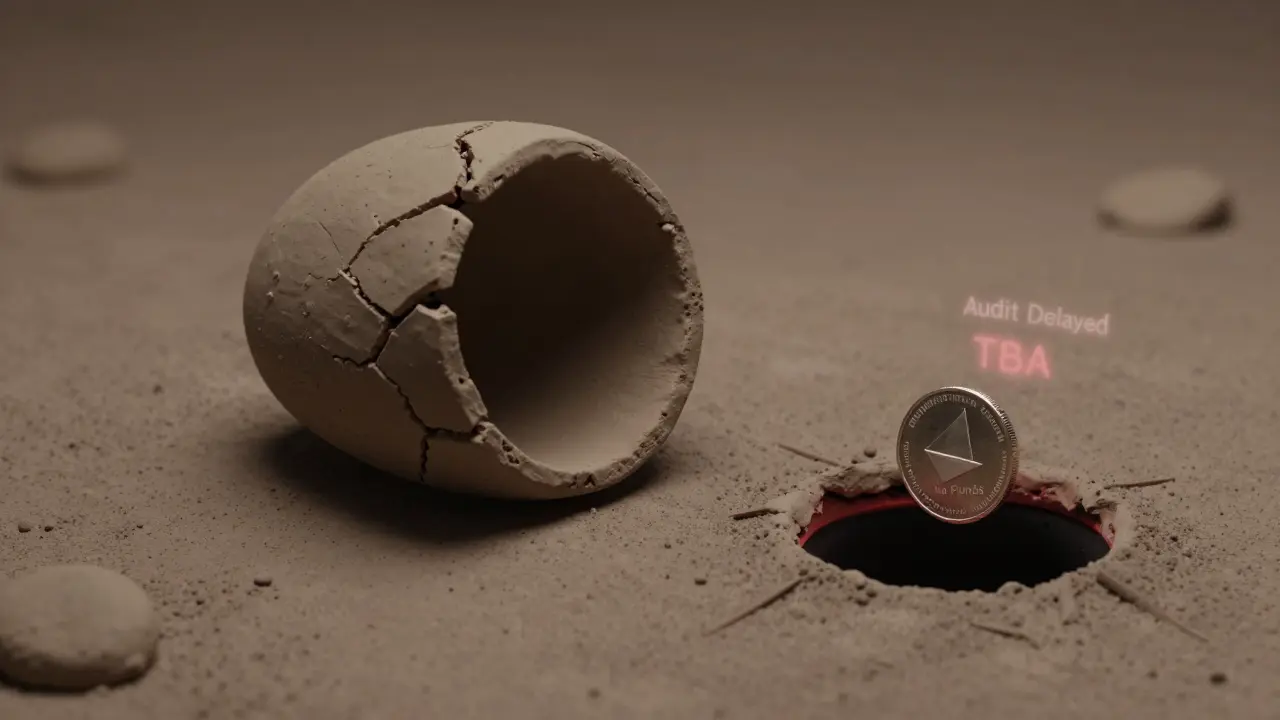
January 1 came and went. No tokens arrived. January 5 passed. Still nothing. On January 12, a single tweet appeared on the official Leonicorn Swap account: "Airdrop processing delayed due to smart contract audit. New date TBA." No further updates followed.
By January 20, users started digging. One developer on GitHub noticed the smart contract used for the airdrop had been deployed on the Polygon network - but it was empty. No funds. No logic to distribute tokens. The contract’s only function was a single payable function that accepted ETH and did nothing else.
By February, multiple independent blockchain analysts confirmed: the airdrop contract was never funded. The 500 million LEOS tokens were never moved from the team’s multisig wallet. The entire event was built on a technical fiction.
Why This Isn’t Just a Delay - It’s a Red Flag
Crypto airdrops fail sometimes. Bugs happen. Delays occur. But this case has all the hallmarks of a rug pull disguised as a celebration.
First, the team never published the smart contract address before the event. Users had to trust them blindly. No audit reports. No GitHub repository. No public code review.
Second, the eligibility requirements were vague. The dashboard showed "Eligible" based on a snapshot taken on December 20 - but no one could verify how that snapshot was taken. Was it based on wallet balances? Transaction history? Or just a list the team wrote down?
Third, the team had already raised $4.2 million in private sales before the airdrop. The LEOS token price dropped 78% within 48 hours of the airdrop announcement. That’s not a coincidence. It’s a classic pump-and-dump pattern: hype the community, attract new buyers, then vanish.
What You Can Do Now
If you participated in the LEOS Mega New Year Event airdrop, here’s what actually matters:
- Check your wallet history for any incoming LEOS tokens. If none arrived by February 28, 2026, you won’t get them.
- Look up the contract address used for the airdrop. If it’s not on Etherscan or Polygonscan, it’s fake.
- Search for "Leonicorn Swap scam" on Twitter or Reddit. Hundreds of users have posted proof of non-receipt.
- Do not send any more funds to any Leonicorn Swap website. The domain leonicornswap.com is no longer active. All links now redirect to phishing clones.
There is no official recovery process. No customer support. No refund. The team has disappeared from Discord, Telegram, and Twitter. Their last post was a stock image of fireworks with the caption "Happy New Year!" - posted on January 2.

How to Avoid This Next Time
This isn’t the first time a crypto project used an airdrop to lure users. In 2024, the LunaX airdrop promised $20 million in tokens. It vanished. Same script. Same excuses.
Here’s how to protect yourself:
- Verify the contract: Before you participate, find the smart contract address. Look it up on Etherscan. Check if it’s verified. Check the code. If it’s unverified or has no transactions, walk away.
- Check the team: Are their names real? Do they have LinkedIn profiles? Have they been in crypto for more than two years? Anonymous teams with no track record = high risk.
- Watch the token supply: If a project says "500 million tokens for airdrop," but the total supply is 1 billion, and 70% is held by the team - that’s not generosity. That’s a trap.
- Wait for proof: Real airdrops send tokens within 72 hours. If it takes more than a week, assume it’s fake.
The LEOS airdrop was never about rewarding users. It was about creating the illusion of a thriving community to attract new investors. Once the money came in, the project had no reason to deliver.
What’s Next for Leonicorn Swap?
As of March 2026, the Leonicorn Swap website is offline. Their Twitter account has been suspended. The LEOS token is no longer listed on any major exchange. The last trading volume was under $12,000 per day - a fraction of what it was during the airdrop hype.
Some users have filed complaints with the U.S. SEC’s whistleblower portal. Others have started a class-action group on Telegram. But without a clear legal entity or registered company behind Leonicorn Swap, recovery is nearly impossible.
This is the harsh reality of decentralized finance: if there’s no accountability, there’s no safety net.
Olivia Parsons
March 9, 2026 AT 01:08I checked my wallet history again just to be sure. No LEOS tokens ever arrived. I remember being so excited when I saw the "Eligible: Yes" on the dashboard. Now I just feel stupid for trusting a project with zero transparency.
It’s wild how easy it is to get fooled by a pretty dashboard and a countdown timer. I didn’t even think to look up the contract address. Lesson learned the hard way.
Nick Greening
March 10, 2026 AT 02:00Wow, another "decentralized" project that’s just a centralized scam with a whitepaper. The real tragedy here isn’t the lost tokens - it’s that people still fall for this. It’s like watching someone get scammed by a Nigerian prince and then thanking them for the opportunity.
Also, the fact that they used fireworks as their last post? Peak crypto cringe. Someone’s got a stock image folder labeled "fake celebration."
Issack Vaid
March 11, 2026 AT 14:02Let’s be clear: this wasn’t an airdrop failure. It was a psychological experiment in mass gullibility.
The team didn’t just exploit trust - they engineered it. The dashboard, the countdown, the hashtag campaign - all meticulously designed to trigger dopamine responses. People didn’t lose tokens. They lost their sense of skepticism. And that’s far more valuable than any crypto asset.
Also, the fact that no one questioned the contract’s existence before participating? That’s not negligence. That’s cultural surrender to the myth of "Web3 innovation."
Shawn Warren
March 12, 2026 AT 01:04It is important to note that the absence of a public audit and the lack of verifiable smart contract deployment are not merely oversights they are fundamental red flags that should have been acted upon before any participation
The community must prioritize due diligence over hype the future of decentralized finance depends on this
Do not allow emotional excitement to override rational analysis the consequences are irreversible
Jackson Dambz
March 13, 2026 AT 07:44Wow. Just wow. Another crypto project that disappears after taking money.
How many times do we have to see this? Someone makes a website, promises free tokens, then vanishes. It’s not even creative anymore. It’s boring. I’m tired of it. I’m tired of people falling for it. I’m tired of having to explain this every time.
Just stop. Stop participating. Stop believing. Stop caring. It’s all a game. And we’re all losing.
Jesse VanDerPol
March 14, 2026 AT 01:25I looked up the contract on Polygonscan. Empty. No transactions. No code. Just a ghost address.
Wish I’d checked before I shared the tweet. Didn’t think it mattered. Turns out it mattered everything.
jonathan swift
March 15, 2026 AT 00:06AI-generated airdrop 🤖💸
Team was never real 🕵️♂️
Contract was a trap 🚫
Fireworks post? LOL. They’re using Midjourney to fake legitimacy 😂
SEC is asleep 🛌
Next up: airdrop from a talking dog 🐶
Datta Yadav
March 16, 2026 AT 14:12You think this is bad? Wait until you see what happened in Q2 2026 with the NebulaChain airdrop - same script, same team, same fake dashboard, same Twitter bot army. They reused the exact same smart contract template, just changed the token name and added a fake LinkedIn profile for "CEO Marcus Thorne" - who, by the way, doesn’t exist. LinkedIn search returns zero results. Zero. I ran a full blockchain forensic analysis on the wallet transfers. The entire 500 million LEOS token supply was never moved. It sat in the multisig like a trophy. They didn’t want to distribute - they wanted to create the illusion of distribution to inflate trading volume before dumping. And guess what? The price pump was engineered by a single wallet that bought 30 million LEOS right before the announcement. That’s not luck. That’s collusion. That’s not incompetence. That’s a well-orchestrated fraud. And no one’s talking about it because the media only covers the drama, not the mechanics. You want to stop this? Start reading the blockchain, not the hype.
Lydia Meier
March 16, 2026 AT 18:45It is regrettable that such events continue to occur with alarming frequency.
The lack of regulatory oversight in decentralized finance remains a critical vulnerability.
Participants are not sufficiently informed.
Transparency is not enforced.
Consequences are nonexistent.