N1 by NFTify Airdrop: How It Worked, Who Got Paid, and What Happened After
 Mar, 13 2026
The N1 airdrop by NFTify wasn’t just another free token giveaway. It was a carefully designed engine to push real usage, not just hype. Launched in early 2025, just two months after NFTify went live, the campaign handed out $12,300 in N1 tokens-but only to people who actually used the platform. No guessing. No bots. No empty wallets. If you didn’t create an NFT store or make a purchase, you didn’t get paid. That’s the key difference.
How the N1 Airdrop Was Structured
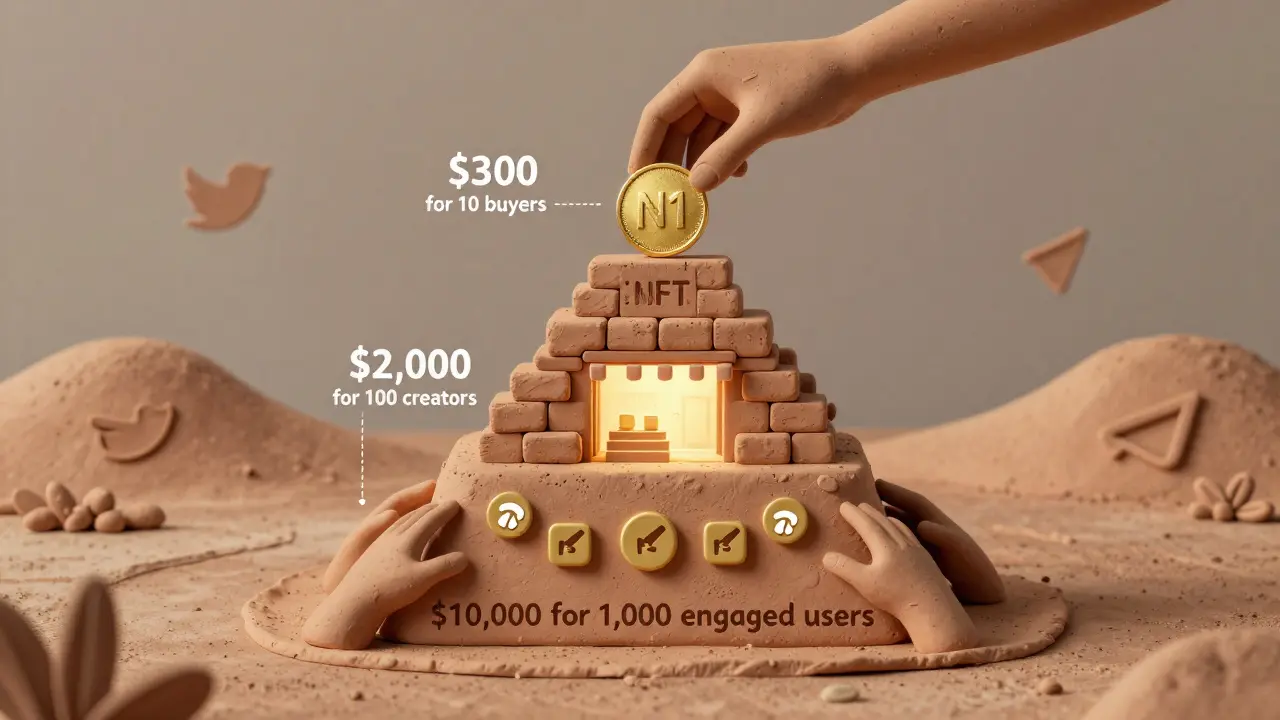
The prize pool broke down into three clear buckets, each targeting a different kind of user:
- $10,000 for 1,000 users who completed all tasks: $10 in N1 tokens each. This was the bulk of the reward and went to people who followed social channels, joined Telegram, and submitted their wallet address.
- $2,000 for the first 100 creators: If you built an NFT store on NFTify and listed at least one NFT item, you got $20. No exceptions. This wasn’t about signing up-it was about launching.
- $300 for 10 random buyers: If you bought an NFT on the platform, you had a shot at $30. This kept the marketplace alive.
That’s not a lottery. That’s a business strategy. NFTify didn’t want people holding tokens they’d never use. They wanted store owners, sellers, and buyers. Every dollar was tied to action.
How to Participate (Before It Closed)
Getting into the airdrop wasn’t complicated, but it wasn’t passive either. You had to do three things:
- Follow @NFTify_official on Twitter and retweet their airdrop post.
- Join both the NFTify Telegram group and the Telegram channel.
- Submit your Binance Smart Chain (BSC) wallet address through the official Gleam page.
That’s it. No KYC. No credit card. No personal info. Just a wallet you controlled and proof you’d engaged with their community. The Gleam page handled verification-no manual review, no delays. Once you submitted, the system checked your Twitter follow, Telegram membership, and wallet balance for activity. If you passed, you were in.
And here’s the catch: you had to complete all steps. Missing one meant disqualification. No second chances. No appeals. The system didn’t care if you were “just curious.” If you didn’t act, you didn’t get paid.
Why BSC? Why Not Ethereum?
NFTify chose the Binance Smart Chain (BSC) for one reason: cost. Ethereum gas fees were still too high for casual NFT creators in early 2025. On BSC, minting an NFT costs less than $0.10. Creating a store? Under $0.50. That made it possible for someone with $20 to launch a full NFT shop and list 50 items without breaking the bank.
It also meant participants didn’t need to juggle multiple wallets. Most crypto users already had a BSC-compatible wallet like Trust Wallet or MetaMask with BSC network added. No extra steps. No confusing bridges. Just plug in your address and go.
What Happened After the Airdrop Ended
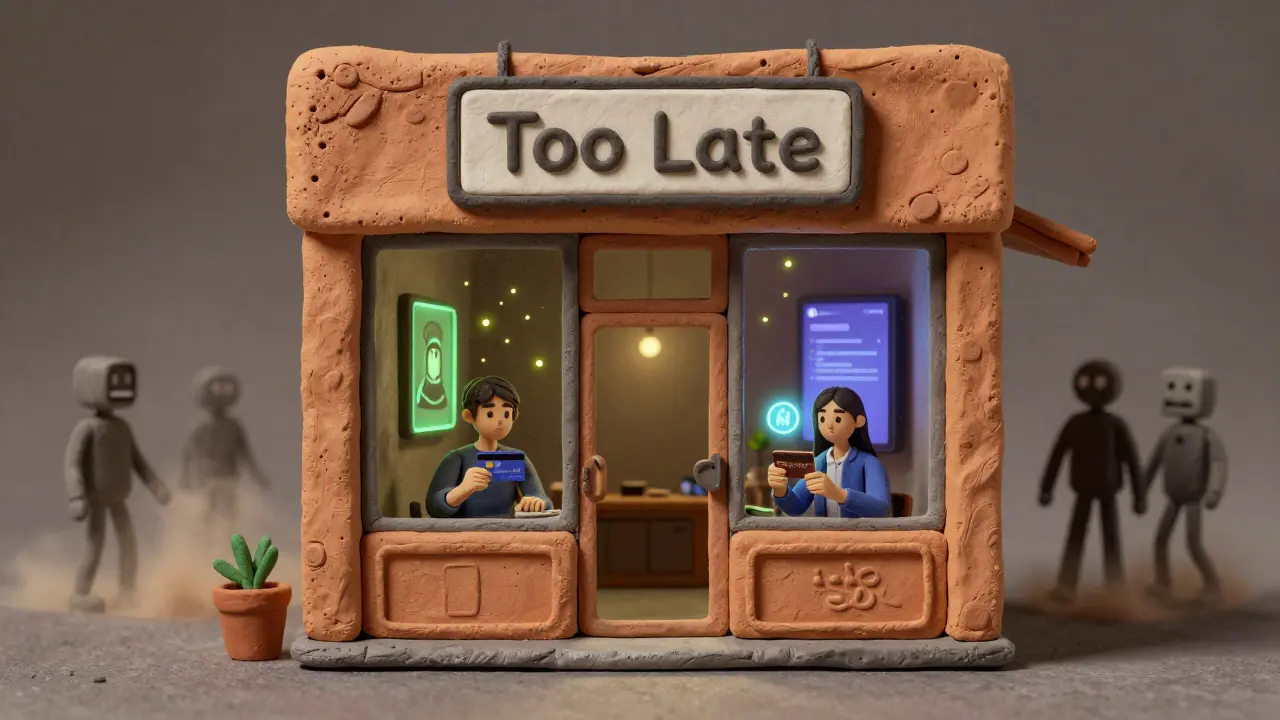
The campaign closed in January 2026. The official airdrop page now says “Too late.” That’s not a glitch. It’s a sign the campaign did its job.
By the time it ended, over 1,200 NFT stores had been created on the platform. More than 800 users had listed at least one NFT. The marketplace processed over 2,100 transactions. Those aren’t vanity metrics-they’re real commerce.
The N1 token, now live on exchanges like Bitget, is being traded. You can buy it directly with a credit card, swap it using Bitget’s Convert tool, or earn it through Learn2Earn programs. But here’s the thing: the token’s value isn’t tied to speculation anymore. It’s tied to usage. If you run a store on NFTify, you pay listing fees in N1. You get discounts on marketing tools in N1. You vote on platform upgrades in N1.
The token isn’t a gamble. It’s a tool. And that’s what made the airdrop different.
How NFTify Fits Into the Bigger Picture
In 2025, airdrops exploded. Layer 1s like Monad gave away millions. Tap-to-earn apps like Sidekick handed out tokens for tapping screens. Even DePIN projects like Grass paid users for sharing Wi-Fi.
NFTify didn’t do any of that. It didn’t need to. It focused on one thing: lowering the barrier to entry for NFT businesses. Before NFTify, creating an NFT store meant hiring a developer, writing smart contracts, and paying for blockchain hosting. Now? You pick a template, add your art, set a price, and hit publish. In under five minutes.
That’s why the airdrop worked. It didn’t attract speculators. It attracted sellers. Artists. Small business owners. People who wanted to sell digital art without learning Solidity.
Is There Still a Way to Get N1 Tokens?
The airdrop is over. No new signups. No waiting lists. But you can still get N1 tokens today.
- Buy them on Bitget using a credit card.
- Swap other crypto for N1 using Bitget Swap.
- Earn them through Learn2Earn quizzes on Bitget.
- Refer friends via the Assist2Earn program.
There’s no free handout anymore. But there’s still value-if you’re building something.
What This Means for Future Airdrops
The N1 airdrop set a new standard. It wasn’t about giveaways. It was about validation. Projects that want real users, not just wallet addresses, will follow this model.
Future airdrops will likely ask: Did you use the product? Did you list something? Did you buy something? Not: Did you follow us? Not: Did you join our Discord?
NFTify proved you can build a community by rewarding action, not attention. And that’s the future.
Was the N1 airdrop real or a scam?
The N1 airdrop was legitimate. NFTify had a public team, a working platform, and clear documentation. The tokens were distributed on-chain via BSC, and recipients received their N1 tokens in their wallets within days of the campaign ending. No one reported missing funds. The platform still operates today, with ongoing marketplace activity and token trading on Bitget. It wasn’t a rug pull-it was a well-executed growth campaign.
Can I still join the N1 airdrop?
No. The airdrop officially closed in January 2026. The Gleam page now displays a "Too late" message, and no new participants are being accepted. Any site claiming to offer N1 airdrops now is either outdated or a scam. The campaign achieved its goal and ended as planned.
Do I need to own cryptocurrency to participate in future NFTify campaigns?
Not necessarily. While the N1 airdrop required a BSC wallet, future campaigns may offer ways to earn tokens without upfront crypto. For example, NFTify has partnered with Bitget to allow users to earn N1 through Learn2Earn programs, where you answer simple questions about blockchain and NFTs to receive tokens. You can also earn via referrals without spending money.
What’s the difference between N1 and other NFT tokens like ETH or SOL?
N1 isn’t a blockchain. It’s a utility token built on BSC. Unlike ETH or SOL, which power entire networks, N1 only works within the NFTify ecosystem. You can’t use it to pay for gas on Ethereum or trade it on non-NFTify marketplaces. Its value comes from its use inside NFTify: paying fees, accessing tools, and voting on platform updates. It’s not a currency-it’s a key to the platform.
Can I create an NFT store on NFTify today?
Yes. NFTify is still fully operational. You can sign up for free, upload your digital art, set a price, and launch your own NFT store in under five minutes. No coding. No technical setup. Just follow the guided steps on their website. You can even list NFTs for sale in USD or USDT, and the platform automatically converts them to N1 for internal fees. It’s designed for artists, collectors, and small businesses who want to sell digital items without the hassle.
Marc Morgan
March 14, 2026 AT 00:27Henrique Lyma
March 14, 2026 AT 21:28Steph Andrews
March 15, 2026 AT 11:35Prakash Patel
March 17, 2026 AT 02:55Zachary N
March 18, 2026 AT 09:56Ann Liu
March 19, 2026 AT 22:13