NFT Art Investment Potential in 2026: A Realistic Guide
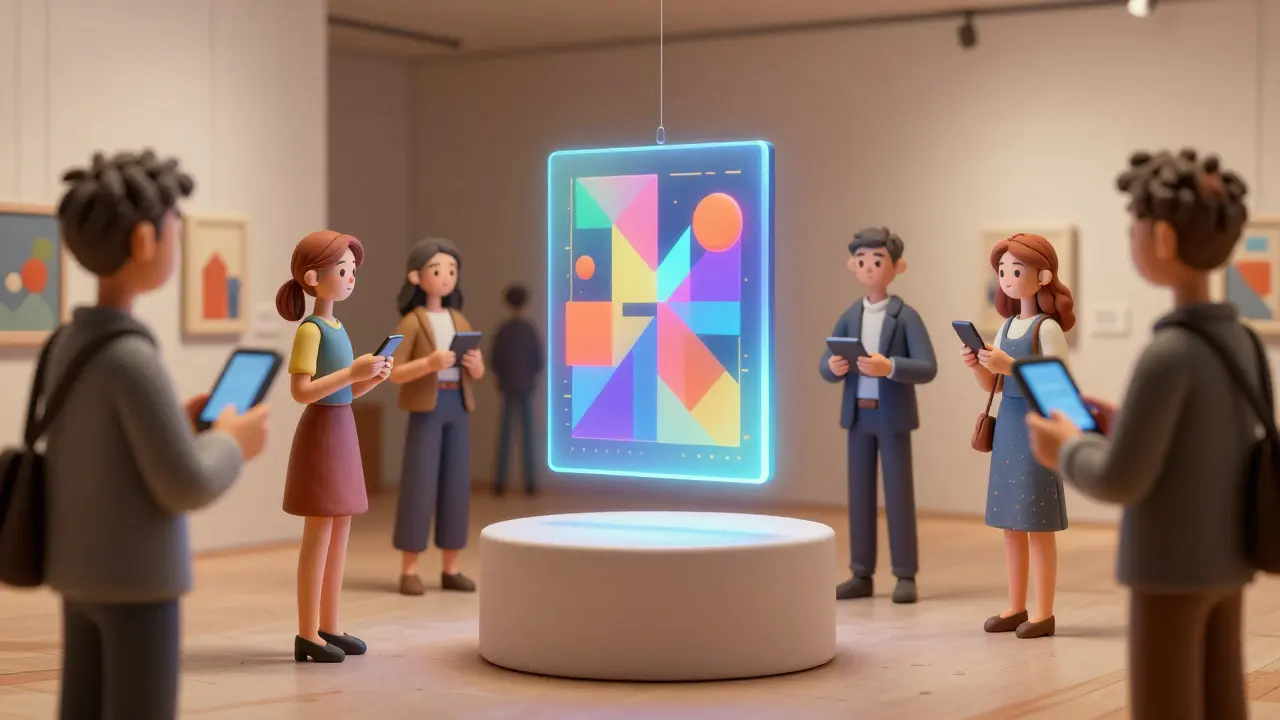 Jul, 15 2026
Remember the chaos of 2021? Back then, buying an NFT felt like flipping a coin on a roulette table. You could buy a pixelated ape for $10 and sell it for $100,000, or you could buy one and watch it vanish into zero overnight. That era of pure speculation is dead. If you are looking at NFT art investment potential today, in mid-2026, you need to throw out everything you learned during the hype cycle. The market has matured. It is quieter, smarter, and far more dangerous if you don’t know what you are doing.
The global NFT market generated approximately $608.6 million in revenue in 2025, serving over 11 million users. While those numbers look small compared to the billions seen during the peak, they represent a stabilized ecosystem. The speculative 'moonshot' traders have left. In their place are serious collectors, institutional investors, and creators building utility-driven assets. This shift changes how we evaluate value. We are no longer asking "Will this go up?" We are asking "What does this do?"
The Shift from Speculation to Utility
To understand where the money is going, you have to understand why the old model broke. In 2021-2022, value was driven by attention. If enough people talked about a project, the price went up. Today, value is driven by utility and technology. Trading volume data from the first half of 2025 shows sales totaling $2.82 billion. This is only a 4.6% decline from late 2024, but here is the kicker: transaction counts increased by nearly 80%. More people are buying smaller amounts. This indicates broader adoption rather than whale-driven speculation.
Investors now look for three specific types of value:
- Artistic Merit: Is the creator established? Do they have a gallery presence or a proven track record?
- Community Access: Does owning the token grant entry to exclusive networks, events, or governance rights?
- Technological Function: Does the asset evolve, generate income, or unlock real-world privileges?
If your NFT does none of these things, it is likely just a JPEG with no future cash flow. The market has consolidated, meaning low-effort projects have faded away. Only projects with tangible utility survive.
Intelligent NFTs: The AI Revolution
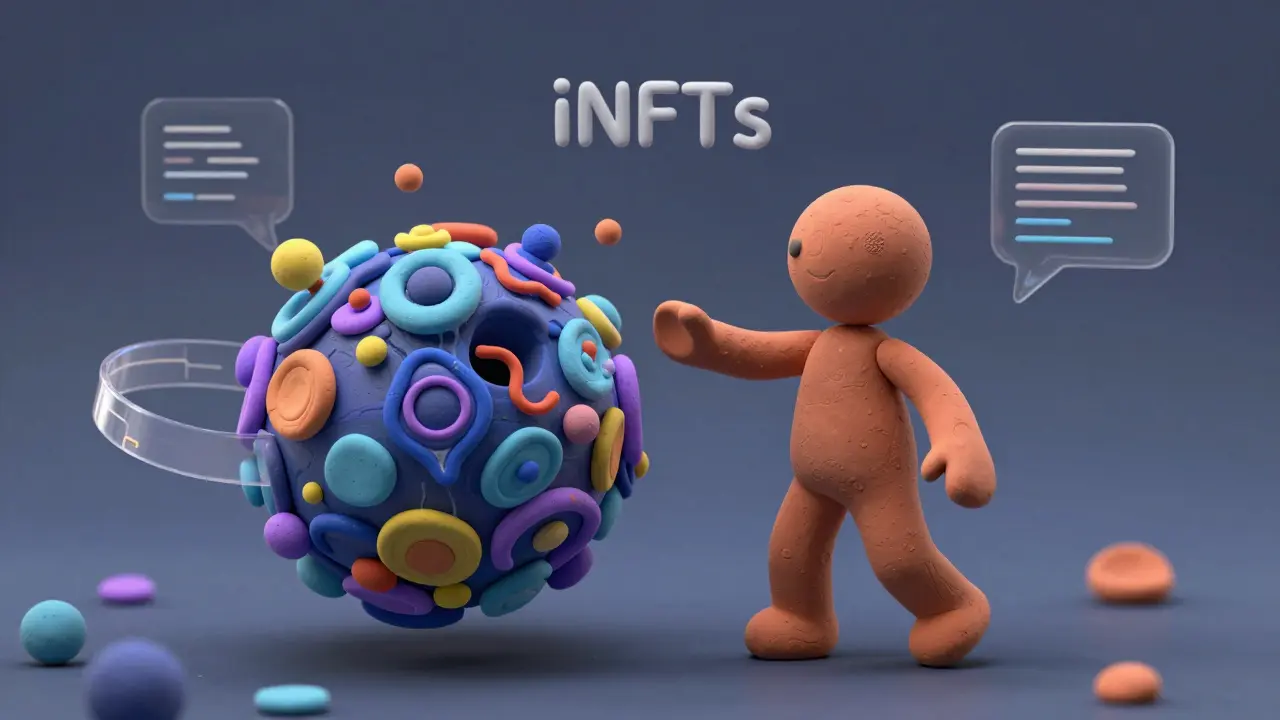
The biggest change in the landscape since 2024 is the integration of artificial intelligence. Approximately 30% of new NFT projects in 2025 incorporated AI technologies. These are called Intelligent NFTs (iNFTs). Unlike static images that sit forever in your wallet, iNFTs are dynamic. They can change visually based on time, user interaction, or external data feeds.
Imagine owning a piece of digital art that evolves as you interact with it. Or consider autonomous in-game agents that learn and adapt, increasing their rarity and value over time. Technology experts predict that by 2026, these programmable digital assets will make static collectibles seem obsolete. This convergence of blockchain provenance and AI adaptability creates a new category of living assets. For investors, this means holding something that grows in cultural and financial value through its own behavior, not just through market hype.
Hybrid NFTs: Bridging Digital and Physical
Another major trend is the rise of hybrid NFTs. These tokens link digital ownership to real-world assets, experiences, or privileges. This bridges the gap between Web3 enthusiasts and traditional luxury consumers. Major brands have already jumped on this bandwagon. Nike’s Cryptokicks link digital tokens to physical sneakers, ensuring authenticity and providing owners with exclusive drops. Luxury watch brands like Jacob & Co. have launched NFTs tied to high-end timepieces.
Why does this matter for investment? Because it reduces counterfeiting and adds a layer of verifiable scarcity to physical goods. When you buy a hybrid NFT, you aren't just buying code; you are buying access to a physical item or an experience that cannot be replicated. This makes the asset class more accessible to mainstream investors who might be skeptical of purely digital value.
| Asset Type | Primary Value Driver | Risk Level | Liquidity |
|---|---|---|---|
| Static PFPs (Profile Pictures) | Brand recognition & Community status | High | Moderate |
| Intelligent NFTs (iNFTs) | AI evolution & Utility | Medium-High | Low-Moderate |
| Hybrid NFTs | Physical asset linkage & Experience | Low-Medium | High |
| Generative Art | Algorithmic rarity & Artist reputation | Medium | Low |
Evaluating Investment Potential: The Risk Matrix
You cannot invest in NFTs without understanding the risks. Academic research published in March 2025 defined investment potential through efficiency, availability, and risk factors. Here is how you apply that to your portfolio.
First, consider liquidity. NFTs are illiquid assets. Unlike Bitcoin or Ethereum, you cannot instantly sell an NFT on an exchange. You must find a buyer. This means you should only invest money you can afford to lock up for years. Second, consider smart contract risk. Even if the art is valuable, the code holding it might have vulnerabilities. Always check if the project has been audited by reputable firms.
Third, look at the team. Anonymous teams still exist, but in 2026, doxxed (publicly identified) teams with a history of successful launches command higher trust. Finally, assess the community health. A strong community isn't just about Discord activity; it's about retention. Are holders staying long-term, or are they dumping at the first sign of trouble?
Where the Money Is: Market Leaders and Trends
The United States remains the largest NFT market globally, expected to generate approximately $115.2 million in revenue in 2025. China and the UK follow closely. However, the center of gravity is shifting toward platforms that offer better tools for analysis and lower fees. Ethereum still dominates high-value art sales due to its security and brand recognition, but Layer 2 solutions and alternative chains are gaining traction for their speed and cost-efficiency.
Historical data offers a stark warning and a glimmer of hope. Research indicates that a hypothetical $1,000 investment distributed evenly among certain NFTs on Ethereum at project inception could have generated returns of 125,000 times the initial investment. Compare that to Bitcoin’s 16x return from similar early-stage investments. While those days of easy riches are gone, the potential for outsized returns still exists for those who identify winning projects before they hit the mainstream. The key is timing and selection, which requires deep research, not luck.

Practical Steps for New Investors
If you want to start investing in NFT art today, follow this checklist:
- Set Up Secure Wallets: Use hardware wallets like Ledger or Trezor. Never store significant value on hot wallets connected to your computer.
- Research the Creator: Look beyond the artwork. Who is the artist? What is their background? Have they sold in traditional galleries?
- Analyze On-Chain Data: Use tools like DappRadder or CryptoSlam to view trading history, holder distribution, and wash-trading signals.
- Diversify: Don't put all your capital into one project. Spread your risk across different categories (art, gaming, hybrid).
- Understand Taxes: NFT transactions are taxable events in many jurisdictions. Keep detailed records of every purchase and sale.
Financial advisors specializing in alternative investments emphasize that NFTs should represent a small portion of your overall portfolio-typically less than 5%. They are high-risk, high-reward assets suitable for long-term holding, not short-term trading.
Future Outlook: Beyond 2026
As we move further into 2026 and beyond, the lines between digital and physical ownership will continue to blur. Hybrid NFTs will become standard in luxury goods, ticketing, and real estate. AI-powered art will challenge our definitions of creativity and authorship, potentially leading to new regulatory frameworks. For investors, this means staying educated is not optional-it is essential.
The NFT market is no longer a casino. It is a nascent financial instrument with unique characteristics. By focusing on utility, technological innovation, and artistic merit, you can navigate this space with confidence. The wild west is over. The age of value has begun.
Is NFT art a good investment in 2026?
NFT art can be a viable part of a diversified portfolio if approached with caution. The market has stabilized after the 2021-2022 bubble, shifting focus from speculation to utility. Investments in Intelligent NFTs (iNFTs) and Hybrid NFTs show promise due to their technological integration and real-world applications. However, they remain high-risk, illiquid assets requiring thorough research and long-term commitment.
What are Intelligent NFTs (iNFTs)?
Intelligent NFTs are digital assets that incorporate artificial intelligence, allowing them to evolve, change appearance, or behave autonomously based on user interactions or external data. Unlike static NFTs, iNFTs offer dynamic value propositions, making them a growing segment in the 2025-2026 market with approximately 30% of new projects utilizing this technology.
How do Hybrid NFTs work?
Hybrid NFTs link a digital token on the blockchain to a physical asset or real-world experience. Examples include Nike's Cryptokicks, which connect digital tokens to physical sneakers, or luxury watches tied to NFT certificates. This model enhances authenticity, prevents counterfeiting, and provides tangible utility to digital ownership.
What is the current size of the global NFT market?
In 2025, the global NFT market generated approximately $608.6 million in revenue, serving an estimated 11.64 million users. The United States leads with $115.2 million in revenue. Trading volumes have stabilized, showing a slight decline in total sales but a significant increase in transaction counts, indicating broader, more stable adoption.
Are NFTs still considered speculative assets?
While NFTs retain speculative elements, the market has shifted significantly toward utility-driven assets. The era of random profile picture flips is largely over. Current value drivers include artistic merit, community access, and technological functionality (such as AI integration). Investors now prioritize projects with clear use cases and sustainable communities over pure hype.