Norway's Proposed Crypto Mining Ban: What It Means for Energy and Bitcoin
 Nov, 15 2026
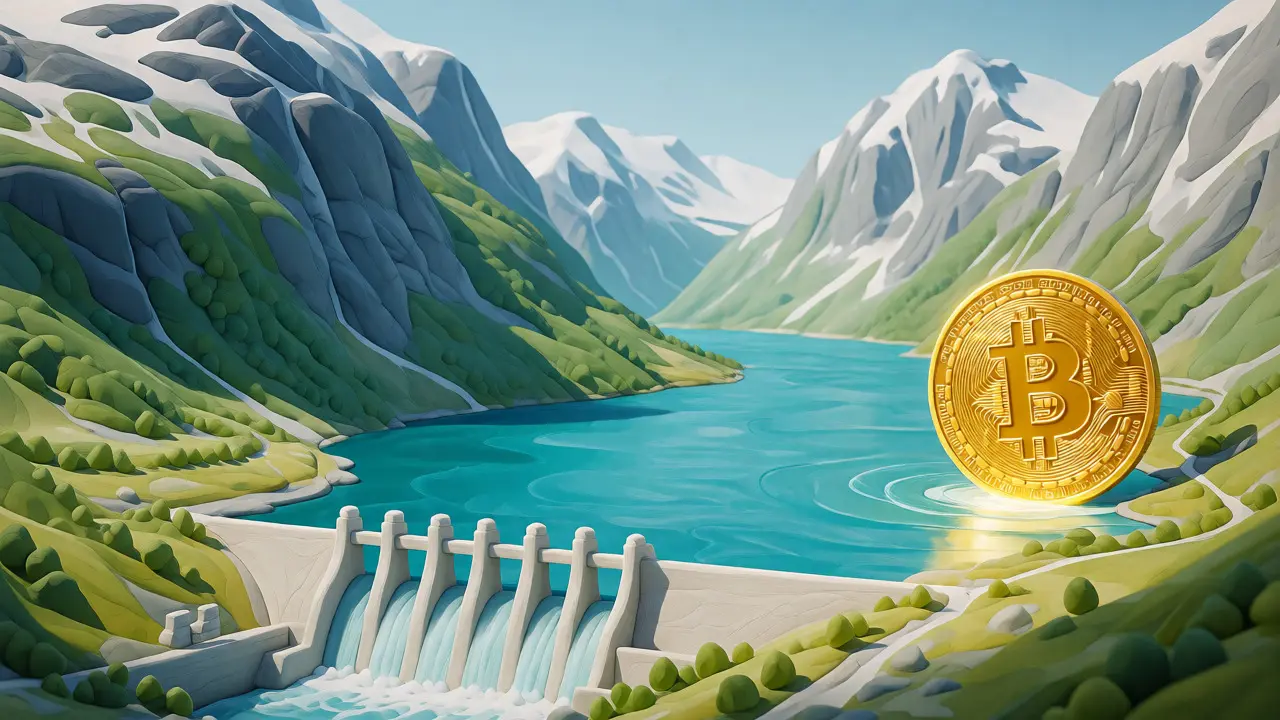
Imagine living in a country where your electricity is almost entirely green, cheap, and abundant. Now imagine the government saying, "Stop using it for Bitcoin." That is essentially the scenario playing out in Norway. In June 2025, the Labour Party government announced its intention to slap a temporary ban on new cryptocurrency mining data centers. The goal? To save power for industries that actually hire people and pay local taxes. Minister for Digitalization and Public Administration Karianne Tung stated clearly that the government wants to limit crypto mining as much as possible.
You might wonder why a nation famous for its fjords and hydroelectric dams would turn its back on an industry that loves clean energy. It comes down to opportunity cost. While mining uses renewable power, it doesn’t necessarily create jobs or boost local economies in the way traditional manufacturing does. With Europe still grappling with energy security issues stemming from the war in Ukraine, Norway decided it couldn’t afford to let valuable grid capacity go to waste on digital gold panning. This isn’t just about being anti-crypto; it’s about resource allocation. If you’re tracking global regulatory trends, this move signals a shift from simple taxation to active restriction based on societal benefit.
The Logic Behind the Power Grab
Let’s break down the government’s reasoning. They looked at the numbers and concluded that cryptocurrency mining is "very power-intensive" but generates "little in the way of jobs and income for the local community." Think of it like renting out your garage. You could rent it to a neighbor who pays you a little cash but never talks to you, or you could use it to start a small business that hires two locals. Norway chose the latter logic. The proposed legislation aims to free up power, network capacity, and physical area for other purposes that serve the national interest better.
This decision didn’t happen in a vacuum. European energy prices have been volatile since Russia’s invasion of Ukraine disrupted oil and gas supplies. Even though Norway has plenty of its own hydro power, the interconnected European grid means domestic prices can still spike. Residents are feeling the pinch on their electric bills. By restricting new mining facilities, the government hopes to stabilize local supply and ensure that the most critical sectors-like healthcare, education, and traditional industry-have priority access to the grid.
How the Ban Works (And Who Gets Hit)
Here is the crucial detail: the ban targets new cryptocurrency mining data centers. Existing operations aren’t necessarily being shut down overnight. This distinction matters because it allows current miners to continue operating while preventing the landscape from expanding further. The government plans to enforce this under Norway’s Planning and Building Act, which gives them authority over land use and energy allocation. It’s a clever legal maneuver that avoids rewriting every single energy law in the country.
To make sure they know exactly what’s happening on the ground, Norwegian officials introduced new registration requirements for data centers. Before finalizing the ban’s scope, they needed hard data. How many miners are there? How much power do they actually consume? Are they using water for cooling that could be used elsewhere? These questions drive the policy. The temporary nature of the ban also suggests flexibility. If mining technology becomes significantly more efficient, or if the economic contribution of crypto changes, the government reserves the right to reassess.
| Jurisdiction | Type of Restriction | Primary Driver | Status (as of late 2026) |
|---|---|---|---|
| Norway | Temporary ban on new facilities | Energy conservation for local economy | Proposed/Implemented Autumn 2025 |
| Russia | Regional bans (10 regions) | Grid stability and blackouts | Banned Jan 2025 |
| New York State | Moratorium on non-renewable mining | Environmental impact | Active since 2022 |
| China | Total prohibition | Financial control and energy use | Banned since 2021 |
| Kosovo | Total ban | Severe energy crisis | Banned early 2022 |

Why Renewable Energy Isn’t Always Enough
Crypto enthusiasts often argue that mining in Norway is good for the planet because it uses hydroelectric power. And they’re not wrong-it’s cleaner than burning coal in Texas. But here’s the catch: even renewable resources have limits. Hydroelectric dams don’t produce infinite power. During dry years, output drops. When miners compete with aluminum smelters or data centers for AI processing, who wins? Norway decided that the social return on investment for traditional industries outweighs the financial returns of crypto mining.
Consider the infrastructure strain. Mining rigs require massive cooling systems, often consuming significant amounts of water. In a country with pristine lakes and rivers, adding industrial-scale water usage for a sector with low employment rates raises eyebrows. The government’s stance is that if we’re going to use our natural resources, they should support communities directly. A factory employs hundreds of people who buy groceries, pay school fees, and participate in civic life. A mining facility might employ five technicians and send all its profits offshore.

The Ripple Effect on Global Mining
When one major jurisdiction restricts mining, miners don’t just quit-they move. This phenomenon, known as "regulatory arbitrage," means capital flows to wherever rules are loosest. After China banned mining in 2021, operations flooded into the United States and Kazakhstan. With Norway closing its doors to new entrants, where will the next wave go? Iceland is a likely candidate, given its similar geothermal advantages, though it faces its own grid constraints. Canada remains popular, but provinces like Quebec have already imposed restrictions on new residential mining connections.
This migration impacts the broader network. If mining shifts to countries with dirtier energy grids, the overall carbon footprint of Bitcoin could rise, even if individual miners are technically "greener" in isolation. For investors, this introduces geopolitical risk. Your portfolio’s exposure to Bitcoin isn’t just about price action; it’s about whether key jurisdictions decide that electricity is too valuable to burn on hashing algorithms.
What Happens Next for Miners?
If you’re running an existing operation in Norway, you’re probably safe for now. The focus is on stopping expansion. However, you should expect stricter reporting. The new registration rules mean transparency is coming. You’ll need to prove your energy sources and perhaps justify your continued presence. For newcomers, the message is clear: look elsewhere or wait for a policy shift.
Technology might offer a way out. If mining hardware becomes exponentially more efficient-say, doubling hash rate per watt every year-the argument against mining weakens. Less power consumed equals less strain on the grid. The Norwegian government acknowledged this uncertainty, noting that the ban is temporary. They want to see how things play out before making permanent decisions. So, keep an eye on chip efficiency news. That’s your best hope for re-entry.
Does the Norway crypto mining ban affect existing miners?
Generally, no. The proposed legislation specifically targets the establishment of new cryptocurrency mining data centers. Existing operations are typically allowed to continue, though they may face stricter registration and reporting requirements under the new data center regulations.
Why did Norway propose banning crypto mining despite having renewable energy?
The government determined that crypto mining consumes large amounts of power while generating few local jobs or economic benefits. They prioritize allocating energy to industries that sustain local communities and provide greater societal value, especially amid broader European energy concerns.
Is the ban permanent?
No, the ban is described as temporary. The government intends to reassess the situation based on future technological developments, such as more energy-efficient mining hardware, and changes in the economic impact of the cryptocurrency industry.
How does Norway's approach differ from China's?
China implemented a total, comprehensive prohibition on cryptocurrency mining. Norway’s approach is more nuanced, focusing on restricting new facilities to conserve energy for other sectors, rather than banning the activity entirely or targeting financial speculation exclusively.
Who announced the proposed ban?
Minister for Digitalization and Public Administration Karianne Tung announced the Labour Party government's intention to limit cryptocurrency mining in Norway as much as possible, citing energy conservation needs.