OneRare Ingredient NFTs Explained: How to Earn Food NFTs in the Foodverse
 Feb, 26 2026
There’s no such thing as a traditional OneRare Ingredient NFT airdrop. If you’re searching for a free giveaway or a one-time drop of NFTs to claim, you won’t find it. OneRare doesn’t hand out ingredient NFTs like coupons. Instead, it’s built around a persistent, game-driven economy where you earn them by playing - and staking.
OneRare isn’t just another crypto project. It’s the world’s first food metaverse, or "Foodverse," where you don’t just trade digital collectibles - you cook them. Think of it like a multiplayer cooking simulator, but everything from onions to sushi rolls is an NFT. And the only way to get those ingredients isn’t through a snapshot or a whitelist. It’s through farming.
How Ingredient NFTs Actually Work
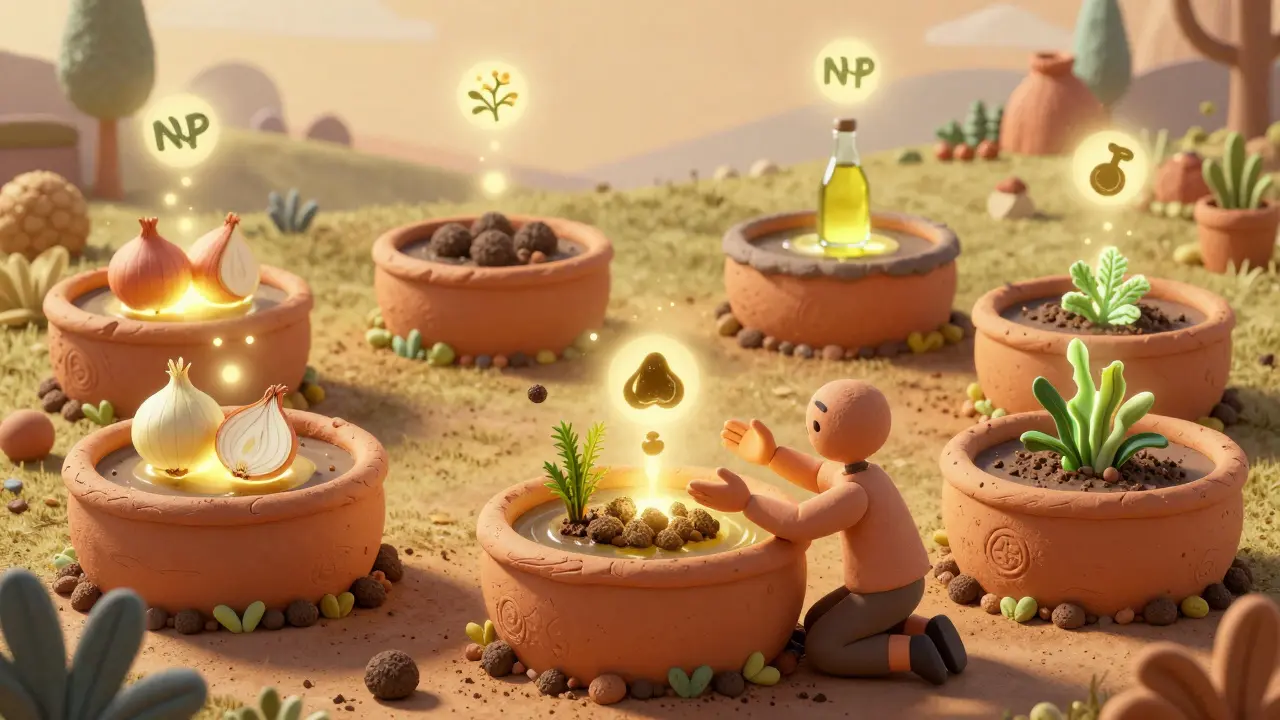
Ingredient NFTs are the building blocks of OneRare’s entire system. You won’t find a single NFT labeled "Tomato" or "Potato" in your wallet unless you’ve staked ORARE tokens in one of the six themed farming pools. These pools aren’t static. Each one holds a randomized set of ingredients. One pool might give you Mediterranean herbs. Another might spit out Asian spices. The system doesn’t let you pick. You pick the pool. The pool picks your ingredients.
Every hour, users who’ve staked their ORARE tokens receive a random ingredient NFT. It could be salt. It could be truffle oil. It could be something you’ve never heard of. There’s no guarantee. No favorites. No backdoor. Just randomness, locked into a blockchain. This isn’t luck in the casino sense. It’s scarcity designed to mimic real-world supply chains.
The Foodverse: Four Zones That Keep You Playing
OneRare’s world is split into four zones, each with a role in the food economy:
- Farm: This is where you stake ORARE and earn ingredient NFTs. No staking? No NFTs. Simple as that.
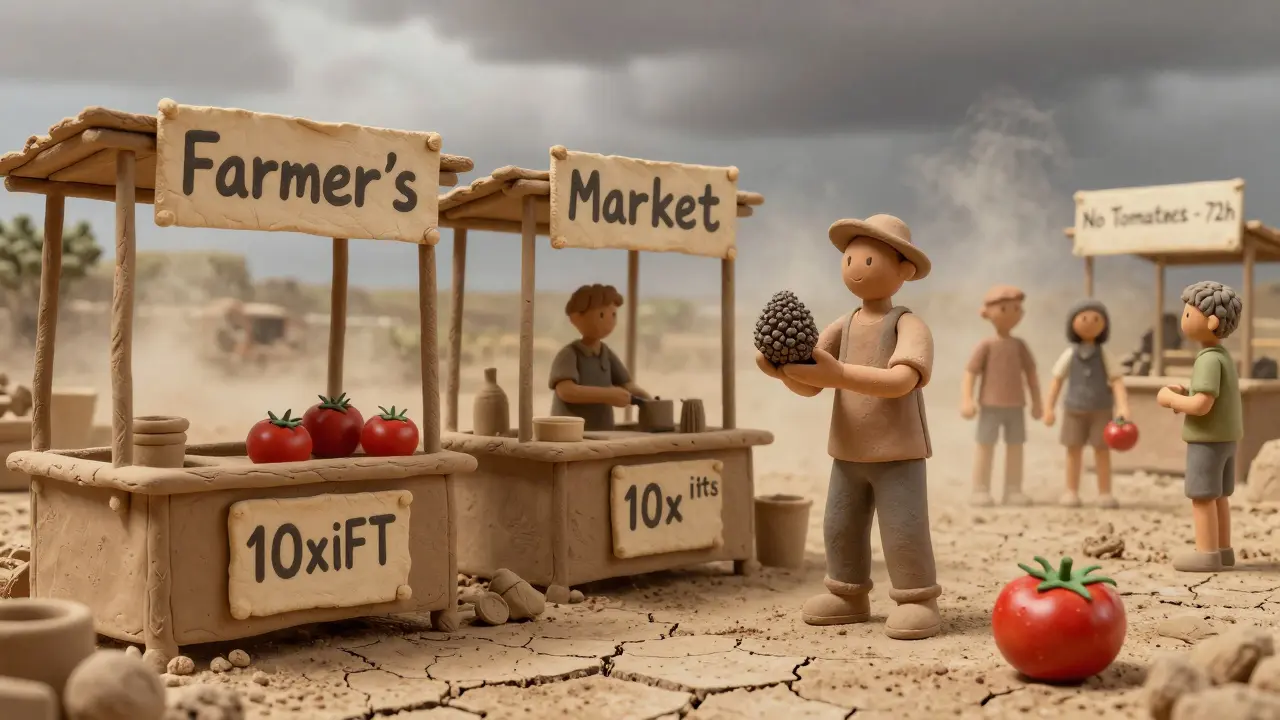
- Farmer’s Market: Here, you sell your extras, buy rare ingredients you can’t farm, or trade dish NFTs you’ve already made. Prices change based on what’s in short supply - and that’s where things get interesting.
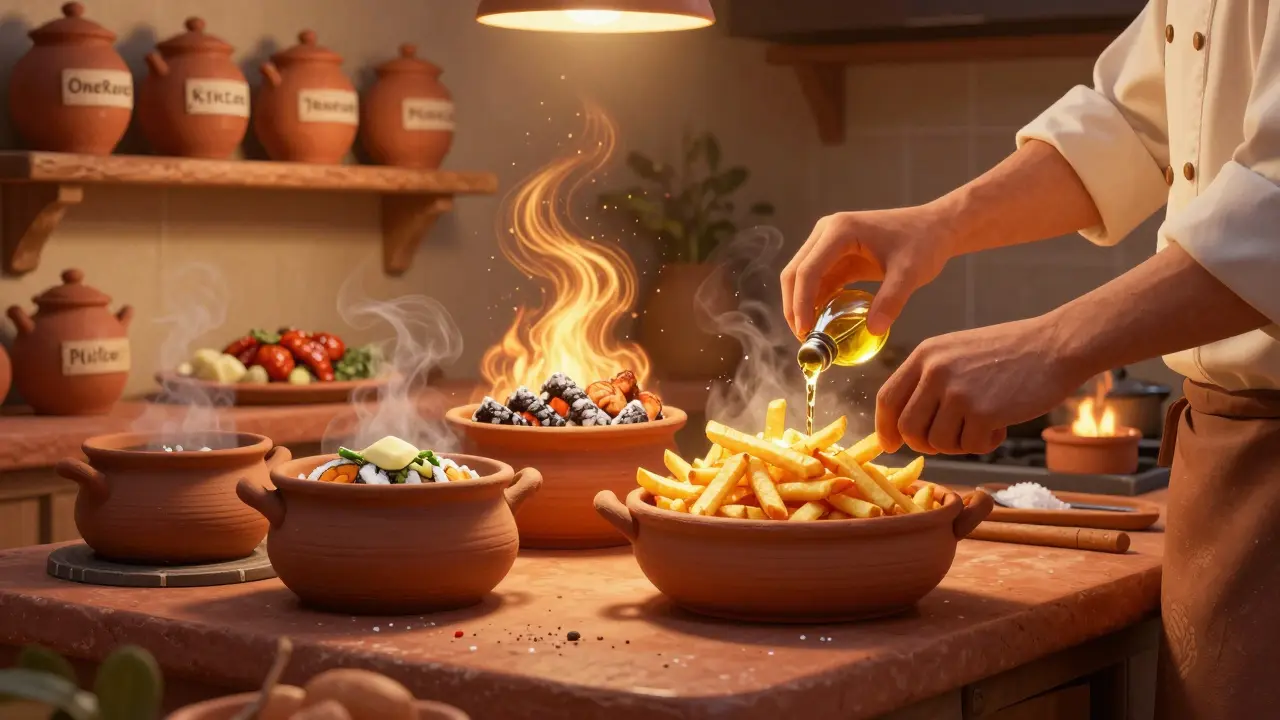
- Kitchen: This is where you turn your ingredients into dishes. Combine potato, oil, and salt? You get French fries NFT. Combine rice, fish, and seaweed? Sushi NFT. But here’s the catch: once you cook, the ingredients are burned. Gone forever. You can’t undo it. That’s why you need to plan.
- Playground: Mini-games. Think racing with sushi carts or timing your stir-fry. Win these, and you earn bonus NFTs - sometimes rare ingredients, sometimes exclusive dish skins.
There’s no endgame. No "winning." The game keeps going because the economy keeps shifting. That’s the point.
Why Ingredient NFTs Have Real Value
OneRare doesn’t pretend it’s just a game. It simulates real agriculture. Droughts hit. Floods wipe out crops. Pests devour entire harvests. In the game, these aren’t cutscenes - they’re events that pause farming of specific ingredients for days. If your pool normally gives you tomatoes, and a "drought event" hits? No tomatoes for 72 hours. Supply drops. Price spikes in the Farmer’s Market. Someone who hoarded tomato NFTs? They just got richer.
This isn’t fantasy. It’s modeled after real food supply chains. In 2025, global climate disruptions caused a 22% drop in tomato yields in key regions. OneRare mirrored that. The game doesn’t just reflect the world - it reacts to it.
That’s why ingredient NFTs aren’t just collectibles. They’re commodities. And like any commodity, their value is tied to scarcity, demand, and disruption.
Who’s Behind the Foodverse?
OneRare didn’t build this alone. It partnered with real chefs and restaurants to bring authenticity. You won’t just cook generic "Italian pasta." You’ll cook Chef Saransh Goila’s signature butter chicken - as an NFT. Or Reynold Poernomo’s famous lamington cake. Or a dish from Michelin-starred chef Anthony Sarpong.
These aren’t just skins or cosmetic upgrades. These are licensed, verified NFTs tied to real culinary IP. That means when you mint a dish from a partnered chef, you’re not just holding a digital asset. You’re holding a piece of culinary history.
Collaborations with U.S. restaurant chains and global cooking shows add another layer. OneRare isn’t just a game - it’s a cultural archive of food, locked on-chain.
Why There’s No Airdrop - And Why That’s Better
You might be wondering: "Why not just give people free NFTs?" The answer is simple: free drops kill long-term value.
If you give away 10,000 tomato NFTs for free, what happens? Everyone has one. No one cares. The market floods. The game breaks.
OneRare avoids that trap. By making you stake ORARE to earn ingredients, they ensure only committed users participate. You’re not just grabbing an NFT - you’re investing time, tokens, and strategy. That creates a real economy. One where value isn’t manufactured - it’s earned.
There’s no airdrop because OneRare doesn’t want to attract speculators. It wants cooks.
How to Get Started
If you want ingredient NFTs, here’s how:
- Buy ORARE tokens on a supported exchange like Polygon-based DEXs.
- Connect a Web3 wallet (MetaMask, Trust Wallet) to the OneRare platform.
- Stake ORARE in one of the six farming pools. Each pool has different ingredient mixes.
- Wait. Every hour, you’ll receive one random ingredient NFT.
- Use them in the Kitchen to cook dishes, or sell them in the Farmer’s Market.
You don’t need to be a crypto expert. You don’t need to understand DeFi. You just need to want to cook.
What You Can’t Do
Here’s what OneRare doesn’t allow:
- You can’t claim a specific ingredient. No "I want potatoes" option.
- You can’t farm multiple pools at once. One pool per wallet.
- You can’t unstake and get your ORARE back until after 72 hours. It’s locked.
- You can’t get ingredient NFTs without staking. No airdrops. No free claims.
These rules aren’t arbitrary. They’re what keep the economy balanced. If you could farm 10 pools at once, you’d flood the market. If you could unstake anytime, people would game the system. OneRare’s design is intentional.
What’s Next for OneRare
With its Gaming Zone live on Polygon since late 2025, OneRare is already scaling. More chef partnerships are coming. A mobile app is in development. Seasonal events - like a "Thanksgiving Feast" or "Ramadan Bazaar" - will introduce limited-time ingredients and dishes.
The platform is also testing a "Foodverse Pass," which lets users earn bonus NFTs by completing weekly challenges. Think of it like a loyalty program, but for digital food.
OneRare isn’t trying to replace real cooking. It’s trying to celebrate it. Every NFT you earn is a step toward understanding global cuisine - one ingredient at a time.
Is there a OneRare Ingredient NFT airdrop?
No, there is no traditional airdrop for OneRare Ingredient NFTs. The platform does not give away NFTs for free. Instead, ingredient NFTs are earned by staking ORARE tokens in one of the six farming pools. You receive one random ingredient NFT every hour while staking. This system is designed to create a sustainable, game-driven economy rather than a one-time giveaway.
How do I get ingredient NFTs in OneRare?
To get ingredient NFTs, you need to stake ORARE tokens in one of the six themed farming pools on the OneRare platform. Each pool emits a randomized set of ingredients like onions, tomatoes, or spices. You earn one ingredient NFT per hour while your tokens are staked. You cannot choose which ingredient you receive - it’s randomized. The more you stake, the more you earn - but you still can’t control the specific item.
Can I sell my ingredient NFTs?
Yes, you can sell ingredient NFTs in the Farmer’s Market. There are three shops there: one for selling your farm produce, one for buying rare ingredients you can’t farm, and one for trading dish NFTs. Prices fluctuate based on supply and demand, and environmental events like droughts or pest attacks can make certain ingredients scarce - and valuable.
What happens when I cook a dish?
When you combine ingredients to cook a dish in the Kitchen, the original ingredient NFTs are permanently burned. You can’t get them back. In return, you receive a Dish NFT - like French fries or sushi - which you can use in mini-games, trade, or display. This burning mechanic ensures scarcity and makes cooking a strategic choice, not just a free action.
Why do ingredient prices change in the game?
Ingredient prices change because OneRare simulates real-world agricultural events. Droughts, floods, tornadoes, and pest attacks can suddenly stop farming of certain ingredients for days. If tomatoes disappear from the Farm for 72 hours, their price in the Farmer’s Market will spike. This dynamic system creates real economic pressure and makes trading NFTs a strategic part of gameplay.
Do I need to own ORARE tokens to play?
Yes. ORARE is the native token of the OneRare Foodverse. You need it to stake in farming pools, earn ingredient NFTs, and participate in the economy. You can buy ORARE on supported decentralized exchanges on Polygon. Without ORARE, you can’t farm, cook, or trade - so it’s essential to play.
George Suggs
February 27, 2026 AT 21:09It’s not about the NFT. It’s about the patience.
Tracy Peterson
February 27, 2026 AT 23:47Dianna Bethea
February 28, 2026 AT 08:22KingDesigners &Co
March 2, 2026 AT 00:27Jan Czuchaj
March 3, 2026 AT 01:39It needs the patient ones.