Pacific DeFi IDO Launch Airdrop: Is It Legitimate or a Red Flag?
 Apr, 14 2026
You've probably seen the buzz about the Pacific DeFi IDO launch and the promise of a massive airdrop. In the world of cryptocurrency, the lure of "free money" via airdrops is a powerful motivator. However, if you can't find a project's whitepaper or a verified launchpad listing, that's usually where the excitement should turn into extreme caution. The reality is that the crypto space is currently flooded with ghost projects that promise the world but disappear with your funds.
What Exactly Is an IDO Airdrop?
Before we dig into the specific claims about Pacific DeFi, it's worth understanding the mechanics. An IDO (Initial DEX Offering) is a way for new projects to raise capital by selling tokens directly on a decentralized exchange. To build hype, many projects pair an IDO with an airdrop, which is the distribution of free tokens to early adopters or users who perform specific tasks.
Legitimate IDOs typically happen on vetted launchpads. These platforms act as a filter, ensuring the project has a working product, a transparent team, and a clear roadmap. When a project is legitimate, you'll see a clear trail: a verified Twitter (X) account with organic growth, a GitHub repository showing active code commits, and listings on reputable tracking sites. If any of these are missing, you aren't looking at an investment; you're looking at a gamble.
The Red Flags Surrounding Pacific DeFi
When we look for a Pacific DeFi across the industry's most trusted verification channels, the results are troubling. There is a complete absence of this project on authoritative lists like Airdrops.io or ICOAnnouncement.io. In a market where transparency is everything, being "invisible" to the major tracking platforms is a massive red flag.
Think about it: if a project is truly preparing for a major IDO launch, they want as much eyes on them as possible. They would be fighting to be listed on platforms like Polkastarter or BSCPad. The fact that Pacific DeFi doesn't appear in any verified launchpad's current or upcoming schedule suggests the project might not actually exist as a functional entity.
| Feature | Legitimate Project (e.g., Nexchain) | Pacific DeFi Observations |
|---|---|---|
| Launchpad Listing | Verified on top-tier platforms | None found |
| Whitepaper/Docs | Detailed, technical, and public | Missing or unavailable |
| Funding Progress | Publicly tracked (e.g., millions raised) | No verifiable data |
| Community Proof | Active, diverse discussions | Limited or bot-driven hype |
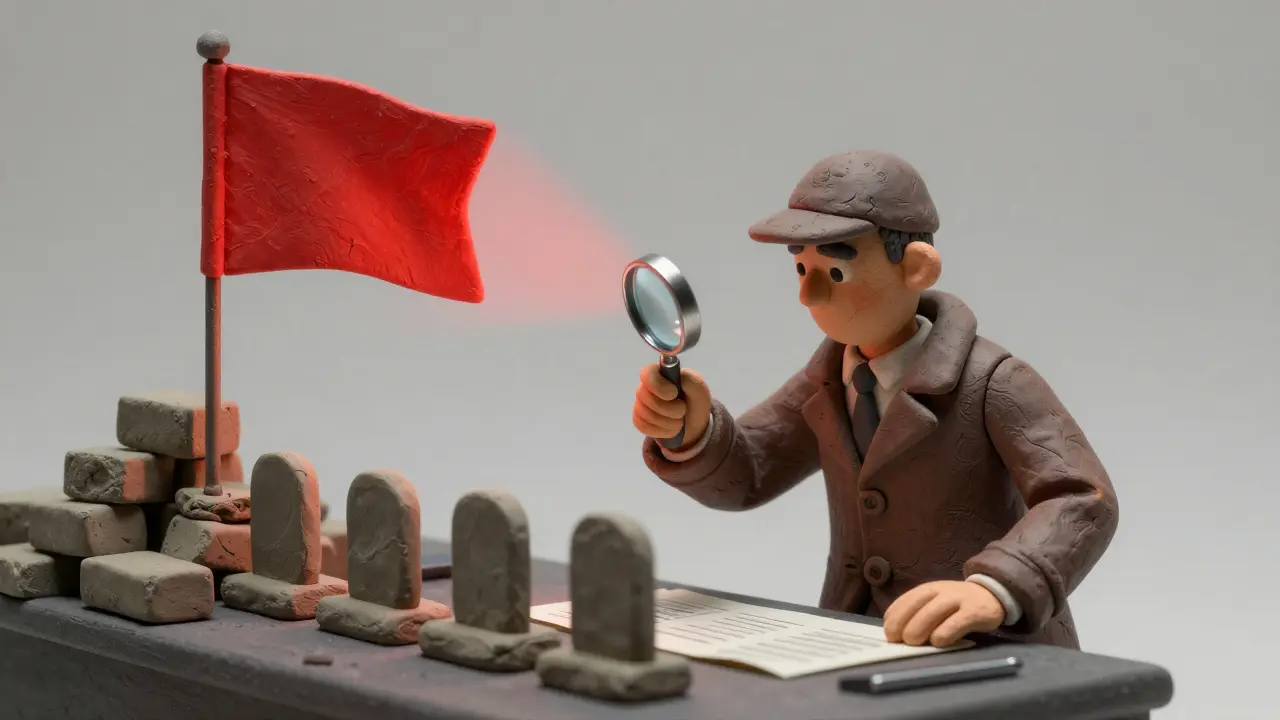
How to Spot a "Rug Pull" Before It Happens
The permissionless nature of DeFi is a double-edged sword. While it allows anyone to innovate, it also allows scammers to create a professional-looking website and a fake token in minutes. This often leads to a rug pull, where developers abandon a project and run away with investors' funds after artificially pumping the price.
To avoid this, you should always look for these three "Golden Signals" of legitimacy:
- Audited Smart Contracts: Has a firm like CertiK or Hacken reviewed the code? If the contract is unverified on the blockchain explorer, do not connect your wallet.
- Doxxed Teams: Are the founders real people with LinkedIn profiles and a history in the industry, or are they just anime avatars?
- Liquidity Locks: In a real IDO, developers often lock their liquidity in a third-party vault to prove they won't dump all their tokens and vanish overnight.
In the case of Pacific DeFi, none of these signals are present. When you combine a lack of audits with a lack of visibility on trusted sites, the probability of a scam increases significantly.
Comparing Real Airdrops to Fake Promises
Let's look at what a real, successful airdrop looks like. Take Solayer Labs or Plume Network. These projects didn't just promise tokens out of nowhere. They targeted users who actually interacted with their synthetic assets or provided liquidity to their networks. They had a clear value proposition: "Use our product, help our network grow, and we will reward you."
Compare that to the vague promises often associated with Pacific DeFi. If a project asks you to "send some tokens to get more back" or requires you to pay a "gas fee" to claim a free airdrop, it is 100% a scam. Real airdrops never ask for your seed phrase or require you to send money to receive a reward.
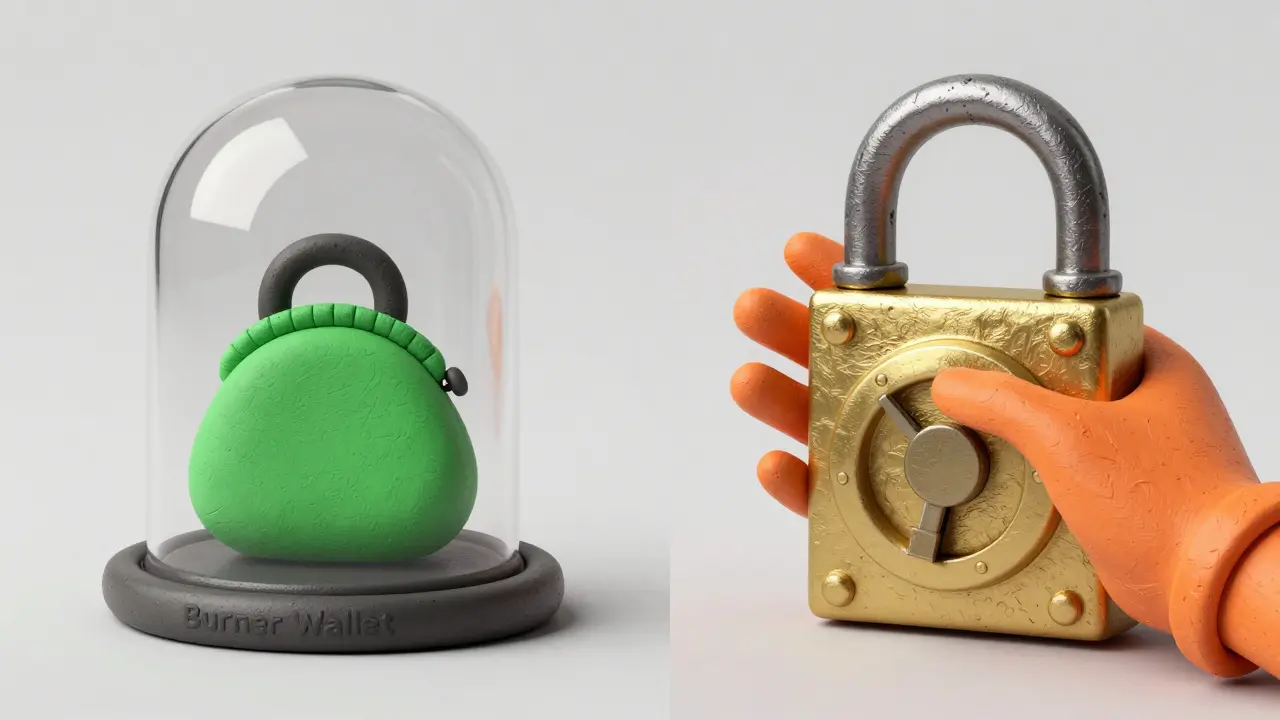
Safe Steps for Participating in New Launches
If you're still determined to hunt for new IDOs and airdrops, you need a security-first strategy. Don't use your main wallet where you keep your long-term holdings. Instead, follow this workflow:
- Create a Burner Wallet: Use a fresh wallet address specifically for airdrop hunting. If the project is a scam and drains the wallet, you only lose the small amount you allocated for that specific venture.
- Verify via Multiple Channels: Don't trust a single Telegram group or a random X post. Check the project on CoinPedia or a similar vetted aggregator.
- Analyze the Tokenomics: Look for the total supply, the circulating supply, and the vesting period for the team. If the team owns 50% of the tokens with no lock-up period, be very worried.
- Avoid "Direct Transfer" Airdrops: Legitimate airdrops usually involve claiming tokens through a smart contract interface, not sending tokens to a random address.
The lack of a public roadmap or a verifiable team for Pacific DeFi makes it an extremely high-risk endeavor. Most experienced traders would categorize this as a "avoid at all costs" scenario until concrete proof of existence is provided.
Is the Pacific DeFi airdrop real?
Based on current market data from authoritative sources like Airdrops.io and various verified launchpads, there is no evidence that Pacific DeFi is a legitimate project. The lack of a whitepaper, audited contracts, and official listings suggests it may be a scam or misinformation.
How can I tell if a crypto IDO is a scam?
Check for these red flags: an anonymous team, no audited smart contracts, lack of presence on reputable launchpads, and promises of guaranteed high returns. If the project asks for your private keys or an upfront payment to "unlock" an airdrop, it is a scam.
What is the safest way to participate in an airdrop?
Always use a "burner wallet" (a secondary wallet with minimal funds). Never share your seed phrase. Only interact with projects that have a verified track record and a clear, documented way of claiming tokens via a smart contract.
Where can I find verified upcoming IDOs?
Look at established launchpads such as Polkastarter, DAO Maker, and BSCPad. These platforms conduct due diligence on projects before allowing them to launch, which significantly reduces (though doesn't entirely eliminate) the risk of fraud.
Why do some airdrops require tasks?
Legitimate projects use tasks (like testing a beta app or following social media) to grow their community and stress-test their network. This is different from scams that ask you to send money to "verify" your account.
Next Steps and Troubleshooting
If you have already connected your wallet to a suspicious Pacific DeFi site, you need to act immediately. First, revoke all token approvals using a tool like Revoke.cash or the approval manager in your wallet. This prevents the contract from continuing to pull funds from your account.
If you suspect your seed phrase has been compromised, the only solution is to create a completely new wallet and move any remaining funds over immediately. Once a seed phrase is leaked, that wallet is permanently compromised and cannot be "fixed." For those looking for safe opportunities, stick to well-known ecosystems like Solana or Layer 2 solutions where the projects have public developers and verifiable on-chain activity.
Yuhan Mo
April 15, 2026 AT 14:28Solid breakdown of the risk parameters here. The lack of a verified smart contract audit is basically a death sentence for any serious liquidity provider. If the TVL isn't backed by a legit audit from a top-tier firm, it's just an invitation for a rug pull. Most people just chase the APY without checking the underlying security protocols, which is wild in this market. Always better to stay hedge-neutral or just stick to the blue chips when the red flags are this obvious. Appreciate the heads-up on the burner wallet strategy too, definitely the only way to play the degens game without risking the main stash.
Sandeep Bhoir
April 15, 2026 AT 19:34Oh wow, imagine actually believing a project called "Pacific DeFi" is legit just because they promised free tokens. Truly a masterclass in optimism.
Michael Harms
April 17, 2026 AT 03:25Thanks for sharing this! It's so important to keep the community safe, especially for the folks who are just starting out in crypto and might not know about burner wallets yet. We've all been there, just wanting to find that one big win, but staying safe is the real win in the long run. Keep spreading the knowledge!
Adedamola Oyebo
April 17, 2026 AT 20:49Spot on analysis!!! Revoking permissions is key!!! Many forget this part!!!
Luke George
April 18, 2026 AT 06:32Typical. They want us focused on these little "scams" so we don't notice the larger institutional manipulation of the entire chain. It's all a coordinated effort to keep the retail investor in a loop of losing small amounts while the big players move the real assets behind the scenes. I bet this project is just a front for some offshore data harvesting operation designed to track who's actually holding assets before the next big reset. Only a few of us see the pattern, but the evidence is there if you actually look at the timing of these "launches." It's all scripted.
Anna Grealis
April 19, 2026 AT 15:27the goverment probabely runns these things anyway to trap us lol. too many red flags to even care about loking closer. just another day in crypto...
Kaitlyn Wu
April 20, 2026 AT 19:43I need to be very clear here: if you see a project lacking a whitepaper, you don't "gamble," you walk away. Period. There is no "maybe" when it comes to your financial security. The industry needs more accountability and less of this "trust me bro" culture that allows these ghost projects to flourish. Do your own research or don't invest at all.
nikki krinkin
April 21, 2026 AT 04:06This was a helpful read. It's easy to get overwhelmed by all the noise on X and Telegram, so having a checklist for red flags helps put things in perspective.