Paybswap Review: Cross-Chain DEX Analysis, Risks, and Alternatives (2026)
 Jul, 2 2026
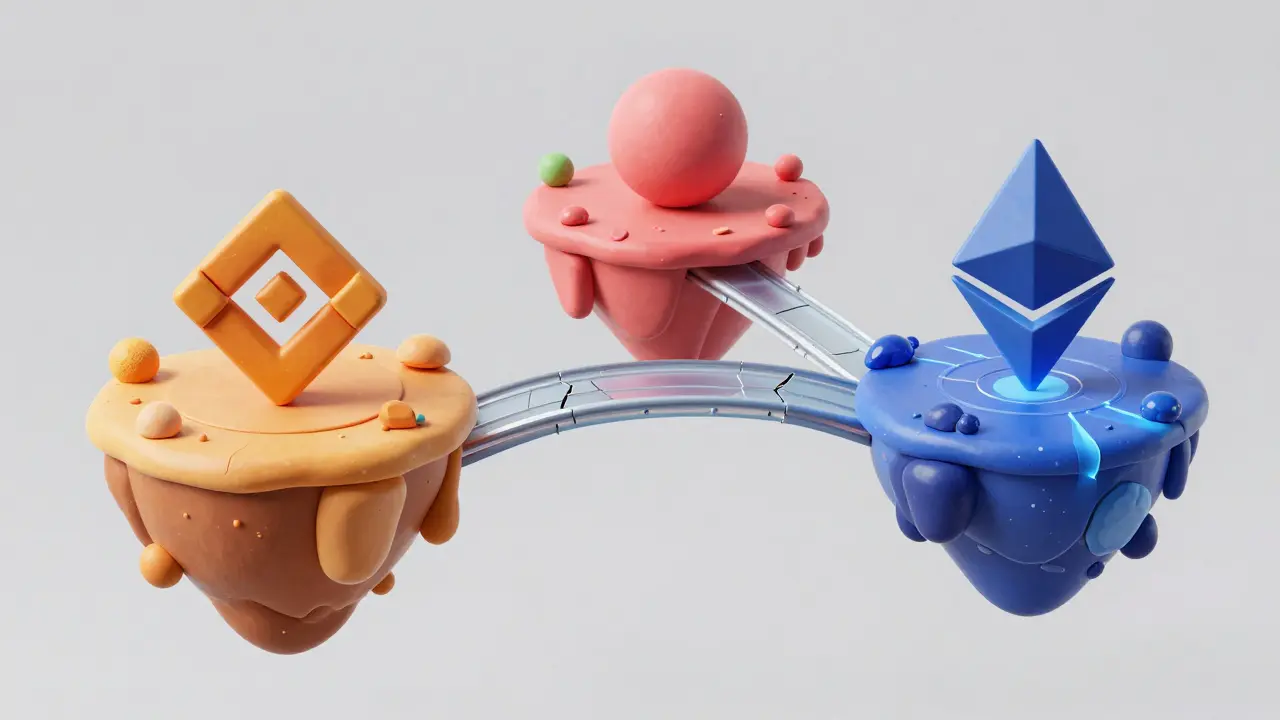
It is easy to get excited when you see a new cryptocurrency platform promising seamless trading across different blockchains. The idea of moving assets from Binance Smart Chain to Ethereum without friction sounds like the holy grail for traders tired of bridging headaches. That is exactly what Paybswap is a decentralized protocol and cross-chain automated market maker operating on multiple blockchain networks including Binance Smart Chain, Polkadot, and Ethereum. It claims to solve the fragmentation problem by letting you trade directly between these ecosystems using Polkadot’s cross-chain infrastructure.
But here is the hard truth about the current crypto landscape in 2026: innovation means nothing if the platform isn’t secure, liquid, or transparent. When I look at Paybswap today, July 2026, the picture is concerning. While the technology behind it is theoretically sound, the real-world data paints a different story. There are virtually no user reviews, zero trading volume visibility, and price data that shows effectively zero value. Before you connect your wallet, we need to dig into what this platform actually offers versus what the rest of the market provides.
How Paybswap Works Technically
To understand whether Paybswap is worth your time, you first have to understand its architecture. Most decentralized exchanges (DEXs) are stuck on one chain. If you use a DEX on Ethereum, you can only trade Ethereum-based tokens. To trade a token on Solana or BNB Chain, you have to bridge your assets, which is slow, expensive, and risky.
Paybswap tries to fix this by acting as a cross-chain automated market maker. Here is how it functions:
- Multichain Operation: It runs simultaneously on Binance Smart Chain (BNB Chain), Polkadot, and Ethereum.
- Cross-Chain Logic: It uses Polkadot’s specialized cross-chain modules to facilitate transactions between these distinct networks. For example, you could theoretically initiate a trade on BNB Chain that settles on Ethereum.
- No Central Custody: Like other DEXs, it does not hold your funds. You trade directly from your wallet, which reduces counterparty risk compared to centralized exchanges.
This technical setup addresses a genuine pain point. Fragmentation is still the biggest hurdle for mass crypto adoption. However, having the capability to do something is very different from doing it well. A bridge must be secure, fast, and cost-effective. Without public audits or performance benchmarks, we cannot verify if Paybswap executes these cross-chain moves safely.
The Red Flags: Why Data Is Missing
If you are looking for a comprehensive review of Paybswap based on user experience, you will hit a wall. And that wall is a major warning sign. In the crypto world, silence is rarely good news. Let’s break down what is missing and why it matters.
1. Zero User Feedback
I checked Trustpilot, G2, Capterra, Reddit, and Twitter. There are no substantial user testimonials for Paybswap. No complaints, but also no praise. For a platform claiming to facilitate cross-chain trading, a complete lack of community voice suggests extremely low adoption. Are people not using it because it works too quietly? Or because they tried it once, found issues, and moved on? Without data, you are guessing.
2. Price and Market Value Concerns
Data aggregators like CoinMarketCap and Investing.com list Paybswap with a price of C$0 CAD and ₽0 RUB. This usually indicates one of two things: either the token has no active liquidity pool and thus no tradable value, or the data feed is broken due to extreme obscurity. In either case, it signals that there is no healthy secondary market for the asset itself. If you are holding PAYBSWAP tokens, you may find it difficult to sell them.
3. Lack of Security Audits
Cross-chain bridges are historically the most vulnerable part of the crypto ecosystem. Major hacks in recent years have targeted bridges because they hold massive amounts of locked capital. Does Paybswap have public security audit reports from firms like CertiK, Hacken, or Trail of Bits? The available information does not show any. Trading on an unaudited cross-chain protocol is like driving a car without brakes because the manufacturer says the engine is powerful.
4. No Clear Fee Structure
Transparency is key in DeFi. You should know exactly how much you pay for gas, swap fees, and cross-chain relay fees before you click "swap." Paybswap’s documentation does not clearly outline these costs. Hidden fees can eat up small trades entirely, especially when crossing chains where gas prices vary wildly between Ethereum and BNB Chain.
Comparing Paybswap to Established Competitors
You might ask, "Why take the risk with Paybswap when better options exist?" The crypto exchange market in 2026 is fiercely competitive. Platforms are innovating rapidly, offering lower fees, better UIs, and robust security. Let’s compare Paybswap’s theoretical offerings against actual market leaders.
| Platform | Type | Cross-Chain Support | KYC Required? | Key Advantage |
|---|---|---|---|---|
| Paybswap | DEX / Protocol | BSC, Polkadot, Ethereum | No (Non-custodial) | Theoretical cross-chain interoperability |
| Uniswap | DEX | Ethereum, Polygon, BNB Chain, Arbitrum, Optimism | No | Highest liquidity, trusted brand, multi-chain native support |
| Kraken | CEX | Internal conversion only | Yes | Best overall security, regulatory compliance, customer support |
| Coinbase | CEX | Internal conversion only | Yes | Best for beginners, US-listed, high trust factor |
| Pioneex.US | CEX | Aggregated liquidity | Yes | Low fees (0.1%), aggregated liquidity from Binance/Huobi |
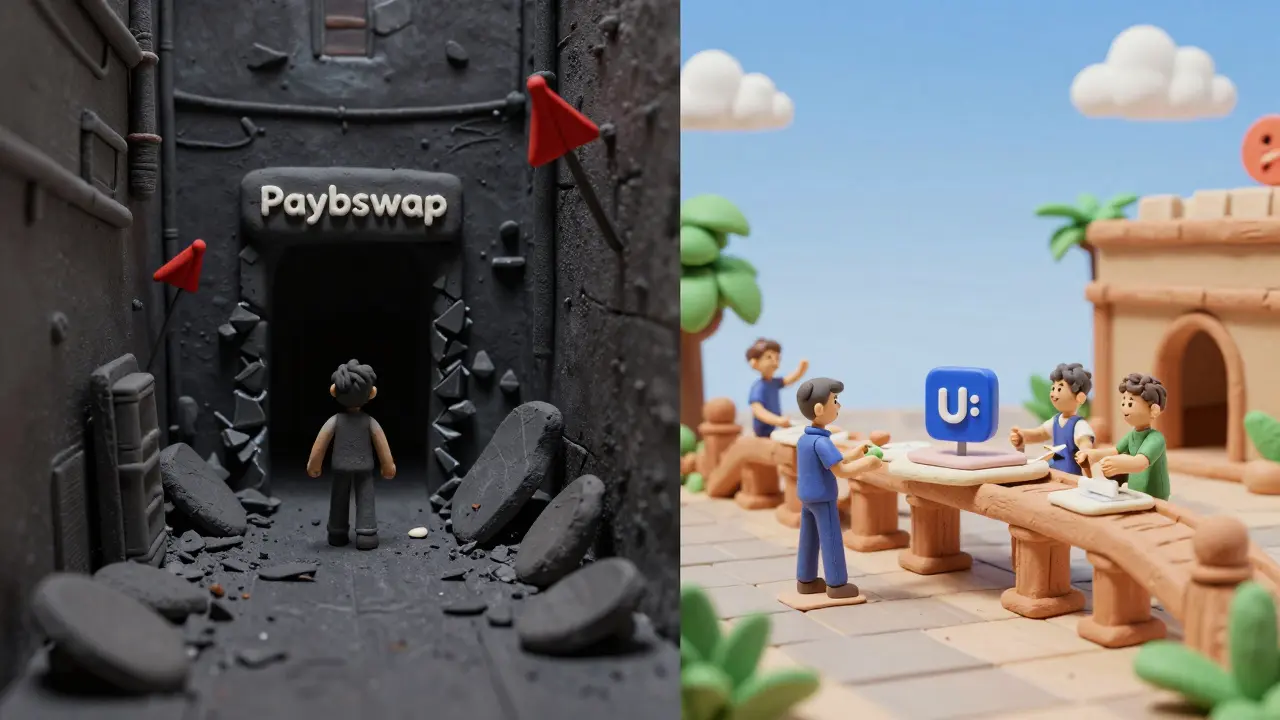
Look at Uniswap. It already supports multiple chains natively. You don’t need a complex, unaudited bridge to trade between Ethereum and BNB Chain; you just switch networks in the interface. Uniswap processes billions in volume daily, ensuring deep liquidity and minimal slippage. Paybswap cannot compete on liquidity yet.
On the centralized side, Kraken and Coinbase offer fiat on-ramps, insurance, and 24/7 customer support. If you are worried about losing funds in a smart contract bug, a regulated CEX offers recourse. Paybswap offers none of that.
Who Should Avoid Paybswap Right Now?
Based on the lack of data, I recommend avoiding Paybswap if you fall into any of these categories:
- Beginners: If you are new to crypto, stick to Coinbase or Kraken. The complexity of managing wallets, gas fees, and cross-chain risks is too high for newcomers.
- Large Investors: Never put significant capital into a platform with no security audits and unknown liquidity depth. The risk of a rug pull or exploit is non-zero.
- Traders Needing Speed: Cross-chain transactions via third-party protocols can be slower than native swaps on established DEXs. If you are scalping or day trading, latency matters.
- Those Seeking Customer Support: Since Paybswap is decentralized and appears to have a small team, there is likely no human support channel to help you if a transaction fails.
When Might Paybswap Be Worth Watching?
Is Paybswap completely useless? Not necessarily. It represents an attempt to solve a real problem. If you are a developer or a highly experienced DeFi user interested in testing early-stage cross-chain protocols, you might want to monitor it. Keep an eye out for:
- Security Audit Releases: Wait until a reputable firm publishes an audit report. Do not trust self-audits.
- Liquidity Pool Growth: Check if major liquidity providers start adding funds to Paybswap pools. Liquidity attracts more users.
- Community Activity: Look for active discussions on Discord or Telegram. A vibrant community often spots bugs early and provides peer support.
- Partnerships: Announcements of partnerships with established projects can signal legitimacy and increased utility.
Until those milestones happen, treat Paybswap as an experimental project, not a primary trading venue.
Safer Alternatives for Cross-Chain Trading
If your goal is to move assets between chains efficiently, here are proven alternatives used by millions in 2026:
1. Use Aggregators Like 1inch or Matcha
These platforms scan multiple DEXs to find you the best rate. They often include cross-chain capabilities through integrated bridges, giving you transparency on fees and routes before you confirm.
2. Native Multi-Chain DEXs
As mentioned, Uniswap V3 and later versions support many chains. Similarly, PancakeSwap operates primarily on BNB Chain but has expanded. Using native interfaces reduces the number of intermediaries.
3. Centralized Exchanges for Simplicity
If you don’t need the privacy or control of DeFi, just buy BTC or ETH on Kraken and sell it for another coin. It’s easier, safer for large amounts, and you get customer service if things go wrong.
Final Verdict on Paybswap
In the crowded crypto exchange market of 2026, standing out requires more than just a clever technical concept. It requires trust, liquidity, and transparency. Paybswap currently lacks all three. While its cross-chain architecture using Polkadot modules is interesting on paper, the absence of user reviews, security audits, and clear fee structures makes it a high-risk proposition.
For now, my advice is simple: stay away. The potential rewards do not outweigh the significant risks of using an unproven, unaudited protocol. Stick with established players like Uniswap for DeFi trading or Kraken/Coinbase for centralized needs. Once Paybswap publishes credible audits and builds a track record of safe transactions, it might deserve a second look. Until then, protect your capital.
Is Paybswap safe to use in 2026?
There is insufficient evidence to claim Paybswap is safe. It lacks public security audits, user reviews, and transparent fee structures. Cross-chain protocols are high-risk targets for hackers. Without verified security measures, using it carries significant risk of loss.
What blockchains does Paybswap support?
Paybswap operates on Binance Smart Chain (BNB Chain), Polkadot, and Ethereum. It uses Polkadot's cross-chain modules to facilitate trading between these networks.
Why is the Paybswap token price showing $0?
A price of $0 or near-zero on aggregators like CoinMarketCap usually indicates a lack of active liquidity pools or trading volume. It means there are few buyers and sellers, making it difficult to trade the token at a fair market price.
Does Paybswap require KYC (Know Your Customer)?
As a decentralized application (dApp), Paybswap likely does not require KYC since you connect via a non-custodial wallet. However, always verify this on their official documentation, as regulations change frequently.
What are the best alternatives to Paybswap for cross-chain trading?
Better alternatives include Uniswap (for multi-chain DEX trading), 1inch (an aggregator that finds best rates across chains), and centralized exchanges like Kraken or Coinbase for simpler, supported conversions.
Are there any user reviews for Paybswap?
Currently, there are no significant user reviews found on major platforms like Trustpilot, Reddit, or CryptoCompare. This lack of feedback is a red flag indicating very low adoption or activity.
How does Paybswap compare to Uniswap?
Uniswap is far more established, with higher liquidity, broader chain support, and a trusted reputation. Paybswap focuses specifically on cross-chain via Polkadot but lacks the volume and security verification that Uniswap has built over years.