Stealth Addresses in Privacy Coins: How Monero Keeps Your Transactions Private
 Nov, 29 2025
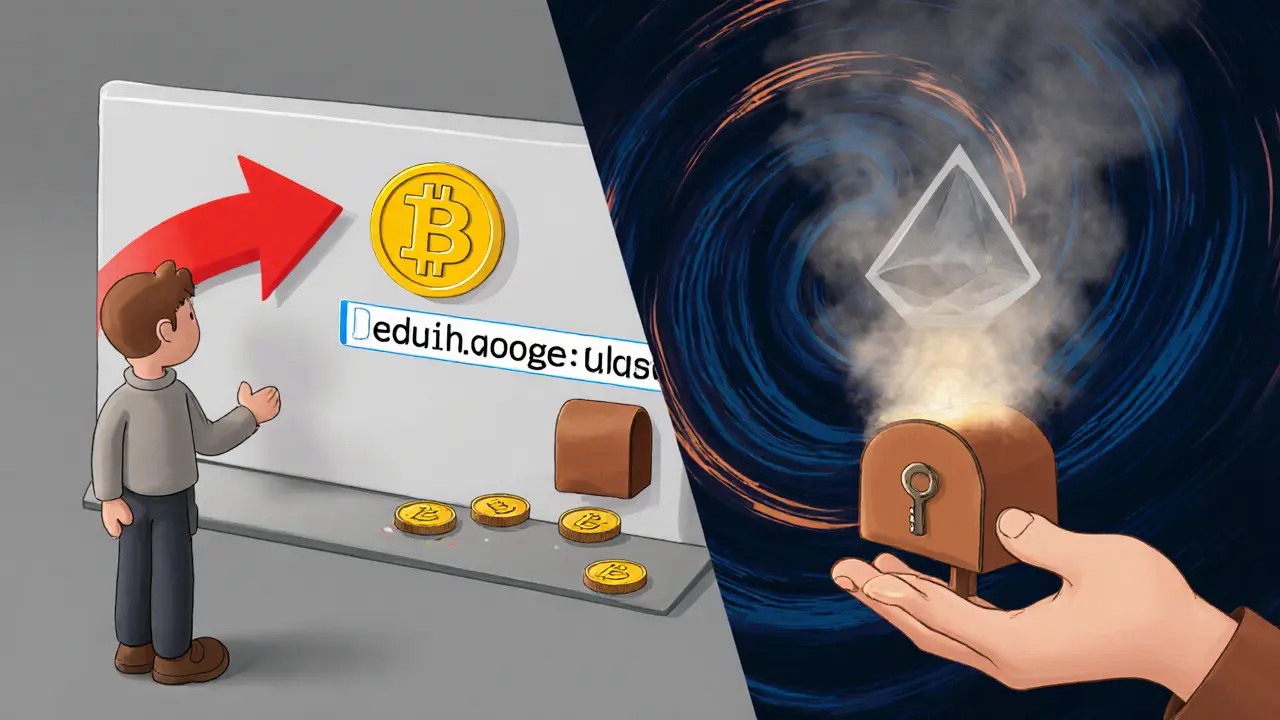
When you send Bitcoin, everyone can see where it went. Not just the amount - but the exact wallet address that received it. That address is forever tied to your transaction history on the public ledger. If someone links that address to your real identity - maybe through an exchange you used or a public donation - your entire financial activity becomes traceable. This isn’t just a technical detail. It’s a privacy failure. And that’s where stealth addresses come in.
What Are Stealth Addresses?
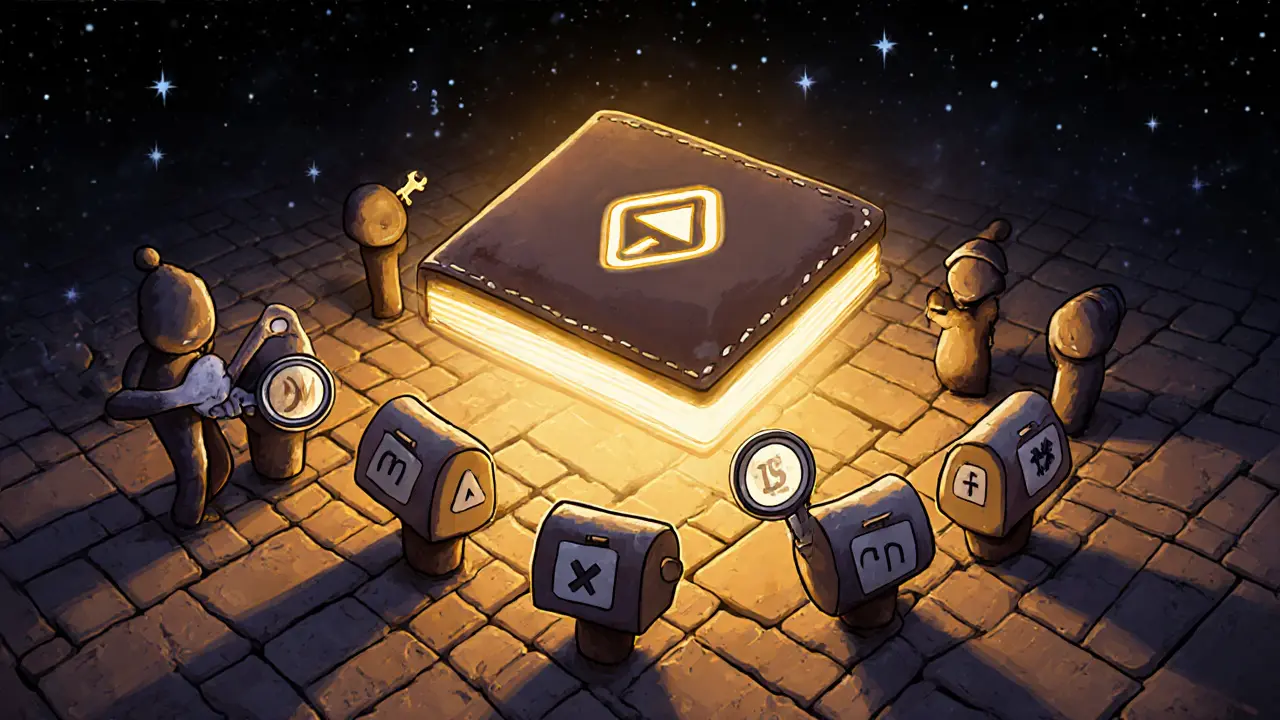
Stealth addresses are one-time, cryptographically generated addresses used to receive funds without revealing your real wallet address. They’re not something you choose or set up manually. They’re created automatically every time someone sends you money. The sender doesn’t know your actual address. The blockchain doesn’t record it. Only you - with your private keys - can find and spend the funds. Think of it like sending a letter through a locked mailbox. The post office records that a letter was delivered to mailbox #48291, but no one knows who owns that mailbox. Only the person with the key can open it. Stealth addresses work the same way on the blockchain. Each transaction gets its own unique mailbox. No two transactions go to the same one. This system was first built into Monero (XMR) in 2014 and remains its core privacy feature. Unlike Bitcoin, where your address is reused over and over, Monero generates a new one every single time. Even if you receive 10 payments in a day, each one lands in a different, unpredictable address. No one can link them together.How Stealth Addresses Actually Work
It sounds like magic, but it’s math. Here’s how it works in plain terms:- You generate two keys: a public stealth address (which you share) and a private view key (which you keep secret).
- When someone sends you Monero, they use your public stealth address and a random number to create a brand-new one-time address for that transaction.
- This new address is written to the blockchain - but it looks completely random. No connection to your real wallet.
- Your wallet constantly scans the blockchain for transactions that match your private view key. When it finds one, it knows: that’s mine.
- Only you can unlock the funds using your private spend key.
Why Monero Is the Gold Standard
Not all privacy coins are the same. Zcash lets you choose between public and private transactions. Only about 3.5% of Zcash transactions use its privacy feature. Dash uses transaction mixing, but Chainalysis found it fails to hide origins in 87% of cases. Monero doesn’t give you a choice. Every transaction is private by default. That’s because it combines three layers:- Stealth addresses - hide the recipient.
- Ring signatures - hide the sender by mixing your transaction with others.
- RingCT - hide the amount being sent.
The Trade-Offs: Size, Speed, and Compatibility
Privacy isn’t free. Stealth addresses come with costs.- Transaction size: A Monero transaction averages 13.2KB. A Bitcoin transaction? Around 250 bytes. That’s over 50 times larger.
- Verification time: Monero transactions take about 1.8 seconds to verify. Bitcoin takes 0.3 seconds.
- Blockchain bloat: Stealth addresses increase blockchain size by roughly 30% compared to standard transactions.
- Compatibility: Most blockchain explorers, wallets, and exchanges can’t read Monero transactions properly. You need a Monero-specific wallet to see your balance.
Who Uses Stealth Addresses - And Why
People use Monero and stealth addresses for real, practical reasons:- Journalists and activists: Send donations without exposing sources or locations.
- Small businesses: Accept payments without revealing income patterns to competitors or tax authorities.
- People in restrictive regimes: Avoid asset freezes or surveillance.
- Privacy-conscious users: Just don’t want their financial history public.
Regulatory Pressure and the Future
Governments don’t like untraceable money. The Financial Action Task Force (FATF) called stealth addresses a threat to anti-money laundering efforts. In June 2023, the EU’s MiCA regulations caused privacy coin transactions to drop 22% in European markets. Meanwhile, the U.S. Treasury is pushing rules that would force exchanges to collect sender and receiver data - which would make buying Monero on Coinbase or Kraken harder. But resistance is growing. Chainalysis, the biggest blockchain analytics firm, spent $15 million in 2023 to improve tracing tools for privacy coins. Their own data shows they can still de-anonymize only about 35% of Monero transactions - and even then, only by combining blockchain data with KYC info from exchanges. Monero’s developers aren’t standing still. In 2022, they introduced subaddresses - a way to generate unlimited unique receiving addresses from one wallet. Then in October 2023, the "Fluorine Flame" upgrade cut transaction sizes by 12% without weakening privacy. The next big step? Quantum resistance. By Q2 2024, Monero plans to replace its current cryptography with lattice-based algorithms that can survive attacks from future quantum computers. That’s not a theoretical concern - it’s a proactive defense.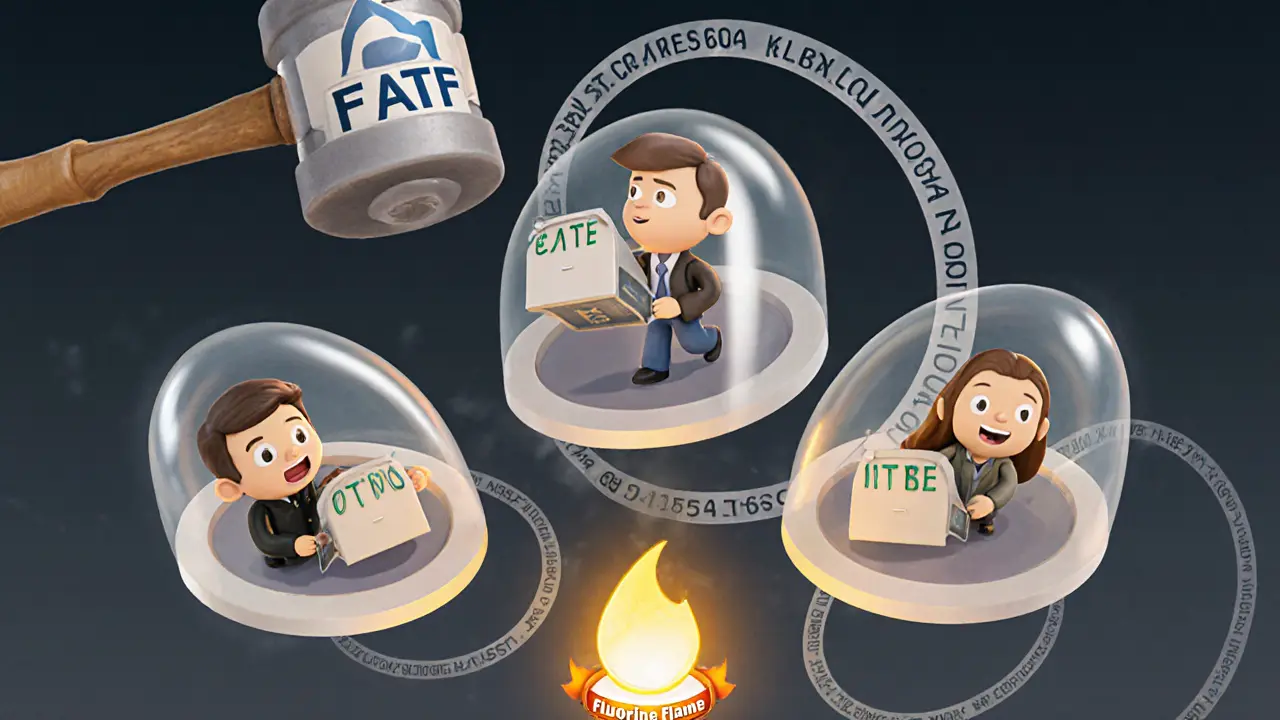
Should You Use Stealth Addresses?
If you need anonymity - real, end-to-end, no-exceptions privacy - then yes. Monero’s stealth addresses are the most effective tool available today. But if you’re just trying to avoid paying taxes, or you want to use crypto for everyday spending, Monero isn’t the right fit. The fees are high. The wallets are less user-friendly. And you’ll hit walls when trying to swap it for other coins. For most people, Bitcoin or Ethereum is fine. But if you’re sending money to someone you can’t fully trust, or you’re in a situation where exposure could cost you your job, safety, or freedom - then stealth addresses aren’t just useful. They’re necessary.Getting Started with Stealth Addresses
You don’t need to be a cryptographer. Here’s how to start:- Download the official Monero GUI wallet from getmonero.org.
- Install it. No special settings needed - stealth addresses are built in.
- Generate your wallet. It takes about 45 seconds.
- Copy your public address (this is your stealth address).
- Share it with someone who wants to send you Monero.
- Wait. Your wallet will automatically detect incoming payments.
Final Thoughts
Stealth addresses aren’t perfect. They’re slow, bulky, and not widely supported. But they work. They’ve held up under years of scrutiny, attacks, and attempts to break them. No one has ever traced a Monero transaction back to its true recipient without help from an exchange or a leaked key. In a world where every click, purchase, and transfer is tracked, stealth addresses offer something rare: true financial privacy. Not the illusion of privacy. Not the option. Not the marketing buzzword. Real, cryptographic, math-backed anonymity. It’s not for everyone. But for those who need it - it’s everything.Do stealth addresses hide the amount of a transaction?
No, stealth addresses only hide the recipient’s identity. To hide the transaction amount, you need Ring Confidential Transactions (RingCT), which Monero uses alongside stealth addresses. Zcash hides amounts using zk-SNARKs, but only if users choose the shielded option. Bitcoin and most other coins show all amounts publicly.
Can I use stealth addresses with Bitcoin or Ethereum?
Not natively. Stealth addresses are built into privacy coins like Monero. Bitcoin and Ethereum don’t support them. Some experimental projects are trying to add similar features to Ethereum, but they’re not production-ready and lack the same level of security or adoption. Monero remains the only widely used implementation.
Are stealth addresses illegal?
No, stealth addresses are not illegal. However, some governments and regulators view them as a risk for money laundering. The EU’s MiCA regulations and U.S. Treasury proposals aim to restrict exchanges from supporting privacy coins. Using stealth addresses for legal purposes - like protecting your financial privacy - is still permitted in most countries, but access may become harder over time.
How do I verify that someone sent me Monero?
Your Monero wallet automatically detects incoming payments using your private view key. You don’t need to do anything. If you want to let someone else check if they sent you funds (like a business partner), you can share your view key with them. This lets them see incoming transactions without letting them spend your money.
What’s the difference between a stealth address and a subaddress?
A stealth address is generated for every incoming transaction and is unique to that payment. A subaddress is a user-generated, reusable address that still uses stealth address technology behind the scenes. Think of subaddresses like numbered envelopes - you can give out "envelope #3" to multiple people, and each payment to it still goes to a unique stealth address. Subaddresses make it easier to track payments from different sources without revealing your main address.
Is Monero truly untraceable?
Monero is the most untraceable major cryptocurrency available. Its combination of stealth addresses, ring signatures, and RingCT makes blockchain analysis extremely difficult. However, no system is 100% foolproof. If you use an exchange that requires KYC, and you withdraw to Monero, your identity is already linked to that transaction. Advanced analysis using timing, volume, and exchange data can sometimes link transactions - but only with outside information, not from the blockchain itself.