APENFT NFT Tokens: What They Are, How They Work, and What to Watch For
When you hear APENFT NFT tokens, a type of non-fungible token built to represent ownership of digital art and collectibles on blockchain networks. Also known as NFTs tied to the APENFT platform, they let people buy, sell, and trade unique digital assets like paintings, music, and virtual real estate—without needing a middleman. Unlike regular cryptocurrencies, these tokens aren’t interchangeable. Each one is tied to a specific piece of content, making them perfect for collectors who want proof of ownership on the blockchain.
APENFT NFT tokens often run on networks like Binance Smart Chain or Ethereum, which means they can interact with other DeFi tools—like wallets, marketplaces, and liquidity pools. That’s why you’ll see them linked to projects that combine art, gaming, and finance. But here’s the catch: not all NFTs labeled as APENFT are real. Many fake collections pop up using the name to trick buyers. Always check the official contract address and verify the marketplace. Real APENFT tokens usually come with verified creators, clear royalty structures, and active communities. If a project promises quick riches with no transparency, it’s likely a scam.
Related entities like NFT blockchain, the underlying technology that records ownership and transaction history for digital collectibles and NFT trading, the process of buying and selling NFTs on decentralized marketplaces are central to how APENFT works. These tokens rely on smart contracts to enforce rules—like who gets paid when an NFT is resold. That’s why some APENFT projects include royalties that automatically send a cut to the original artist every time the NFT changes hands. It’s a big shift from traditional art markets, where creators rarely benefit after the first sale.
But it’s not all smooth sailing. The value of APENFT NFT tokens can swing wildly based on hype, celebrity endorsements, or even a single tweet. Some drop to near zero after the initial rush. Others gain value slowly as the community grows and the art gains cultural weight. You’ll find posts in this collection that explain how to spot real APENFT projects versus fake ones, how to avoid phishing sites pretending to be official marketplaces, and why some NFTs with low trading volume are traps waiting to happen. You’ll also see how blockchain tools like wallet tracking and contract audits help protect your investment.
What makes APENFT different from other NFT platforms is its focus on blending high-value digital art with real-world utility. Some APENFT tokens unlock access to exclusive events, physical merchandise, or even voting rights in creative decisions. That’s why it’s not just about owning a JPEG—it’s about being part of a movement. But if you’re new to this, start small. Learn how to check a token’s history on a block explorer. Understand gas fees before you trade. And never share your private key, no matter how convincing a support message looks.
Below, you’ll find real-world examples of what’s working—and what’s not—in the APENFT space. From guides on spotting fake airdrops to deep dives on how NFT royalties actually pay out, these posts cut through the noise. Whether you’re a collector, a creator, or just trying to avoid getting scammed, this collection gives you the facts you need to move safely in this space.
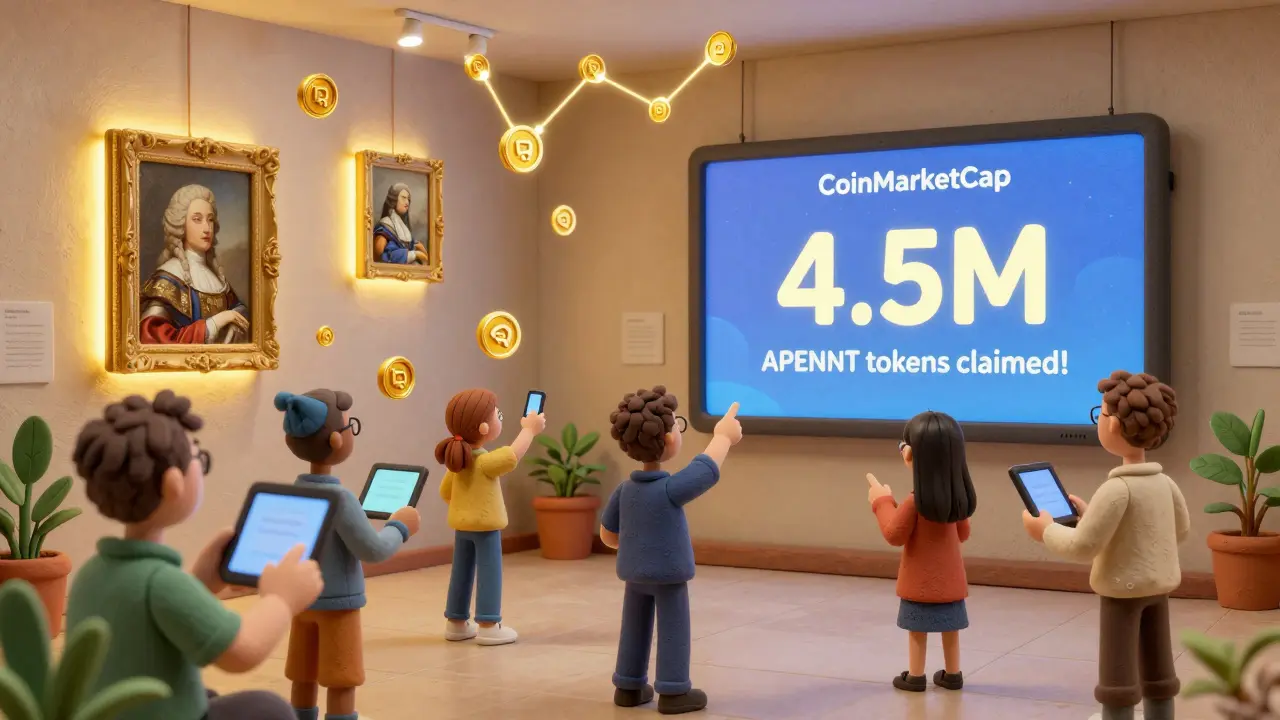
APENFT Airdrop Details: How to Qualify and Claim Your NFT Tokens in 2025
APENFT ran one of the largest NFT airdrops in 2025, distributing over 45 billion tokens to 10,000 winners. Learn how to qualify, avoid scams, and prepare for future drops.