Smog cryptocurrency: What it is, why it matters, and what you need to know
When you hear Smog cryptocurrency, a term used by scammers to lure people into fake token claims. Also known as fake crypto airdrops, it's not a real coin—it's a trap. There’s no official Smog token, no team, no whitepaper, and no blockchain behind it. Yet people still search for it, hoping to claim free tokens. That’s exactly what the scammers count on.
These fake names like Smog, BAMP, or TRO are pulled from thin air and sprayed across Telegram groups, Reddit threads, and shady websites. They sound plausible—maybe even a little cool—so you click. You’re asked to connect your wallet, send a small gas fee, or enter your seed phrase. One mistake, and your crypto is gone. This isn’t just phishing—it’s a targeted attack on people who don’t know how to spot the difference between a real airdrop and a ghost project. Look at the posts here: OpenDAO (SOS), BSC AMP, TRO, and MDX all had fake airdrop rumors. None of them were real. But people lost money anyway.
Real crypto projects don’t need to beg you to join. They don’t use urgency, secret links, or "limited-time" claims. If a token has zero trading volume, no exchange listings, and no development updates—like Empower (MPWR) or SkullSwap—it’s not worth your time. Privacy coins like Monero and Zcash get delisted for legal reasons, but at least they’re real. Smog? It’s just noise. And noise doesn’t pay bills.
What you’ll find below are real examples of how these scams work, what to watch for, and how to avoid becoming the next victim. You’ll see how Tornado Cash got sanctioned, why CashTelex has no users, and how Iran uses Bitcoin mining to bypass sanctions—not because it’s flashy, but because it’s real. The difference between a scam and a project isn’t in the name. It’s in the proof. And Smog cryptocurrency? It’s got none.
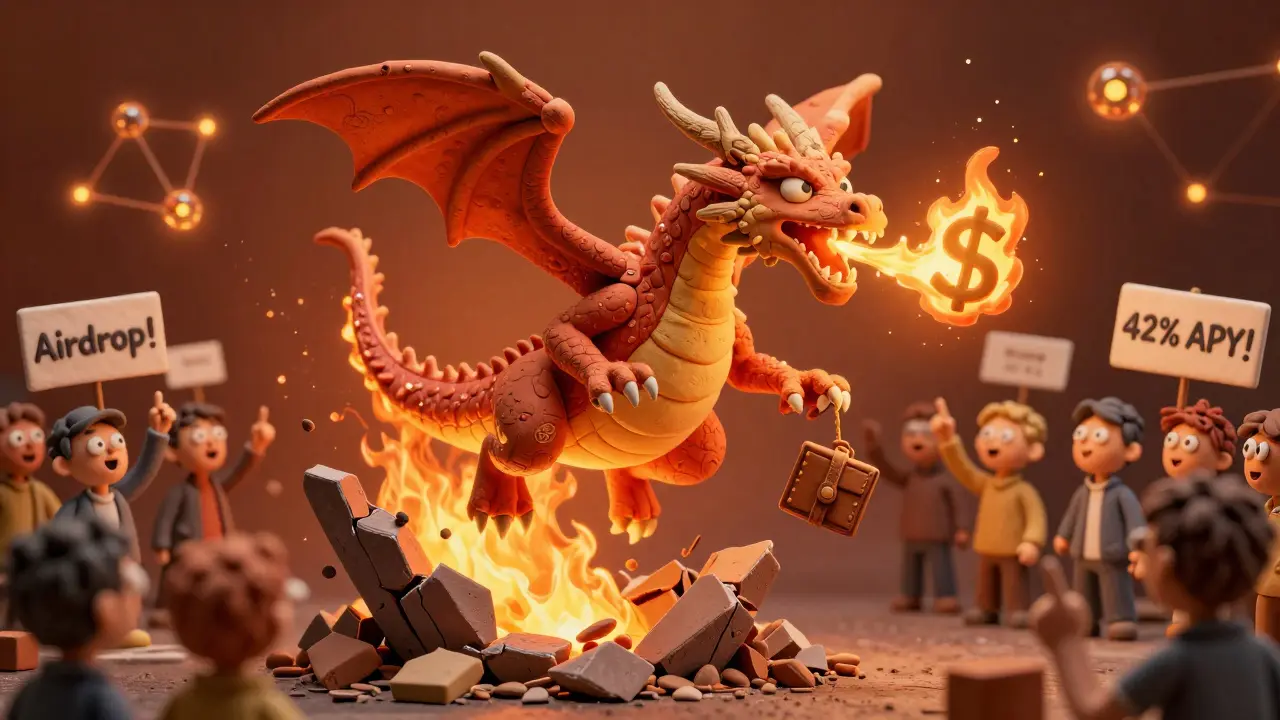
What is Smog (SMOG) Crypto Coin? The Full Breakdown of Solana's High-Risk Meme Coin
Smog (SMOG) is a Solana-based meme coin that crashed 98% after launch but still trades with low volume. It offers 42% APY staking and airdrops, but lacks liquidity, exchange listings, and a working roadmap. High risk, no fundamentals.