Trodl Cryptocurrency: What It Is, Why It Matters, and What You Need to Know
When you hear Trodl cryptocurrency, a low-visibility digital asset with minimal public documentation and no verified development team. Also known as Trodl token, it appears in niche forums and obscure listing sites—but rarely in credible exchanges or trusted wallet apps. Unlike major coins like Bitcoin or even lesser-known DeFi projects with clear roadmaps, Trodl doesn’t explain what problem it solves, who built it, or how it’s supposed to grow. That’s not just unusual—it’s a red flag.
Most legitimate crypto projects have at least three things: a public team, documented code, and real use cases. Trodl has none of those. It’s not listed on major exchanges like MEXC or Changelly Pro. It doesn’t appear in audits from firms like CertiK or SlowMist. And if you search for its whitepaper, you’ll either find nothing or a copy-pasted template from a free generator. This isn’t a startup with potential—it’s a speculative token floating in the shadows of the crypto market, likely designed to lure quick buyers before the devs disappear. That’s the same pattern you see with coins like NiHao (NIHAO) or Sphynx Labs (SPHYNX), which we’ve covered in detail here: low liquidity, no community, and a price that collapses as soon as early buyers cash out.
What makes Trodl dangerous isn’t just that it’s obscure—it’s that it looks like it could be real. The name sounds techy. The logo might look polished. The website might even have a "coming soon" token sale button. But real crypto doesn’t hide behind vague promises. It publishes GitHub commits, holds AMAs, and lists its token on at least one reputable DEX. Trodl does none of that. It’s a classic example of how anonymity in crypto can be weaponized. If you’re thinking of buying it, ask yourself: Would you invest in a company with no website, no employees, and no product? Then why buy a token that’s the same?
Behind Trodl, you’ll find a pattern common in the crypto wild west: tokens built to exploit hype, not to build value. These projects often piggyback on trending keywords like "DeFi," "AI," or "Web3"—but offer zero actual innovation. They rely on social media bots, fake volume, and influencer shilling to create the illusion of demand. And when the pump ends? The liquidity vanishes, the Discord goes silent, and your wallet is left holding digital dust. This isn’t speculation—it’s gambling with no odds in your favor.
That’s why the posts below focus on what to look for—and what to avoid. You’ll find deep dives into real DeFi protocols like Cream Finance and STON.fi v2, scams like fake MDX and $GAME airdrops, and security practices that protect your assets from exactly this kind of noise. Whether you’re checking if a token is legit, learning how to spot fake airdrops, or understanding why privacy coins like Monero matter more than ever, the tools here will help you cut through the noise. Trodl cryptocurrency? It’s not worth your time. But knowing why it’s not? That’s where real value begins.
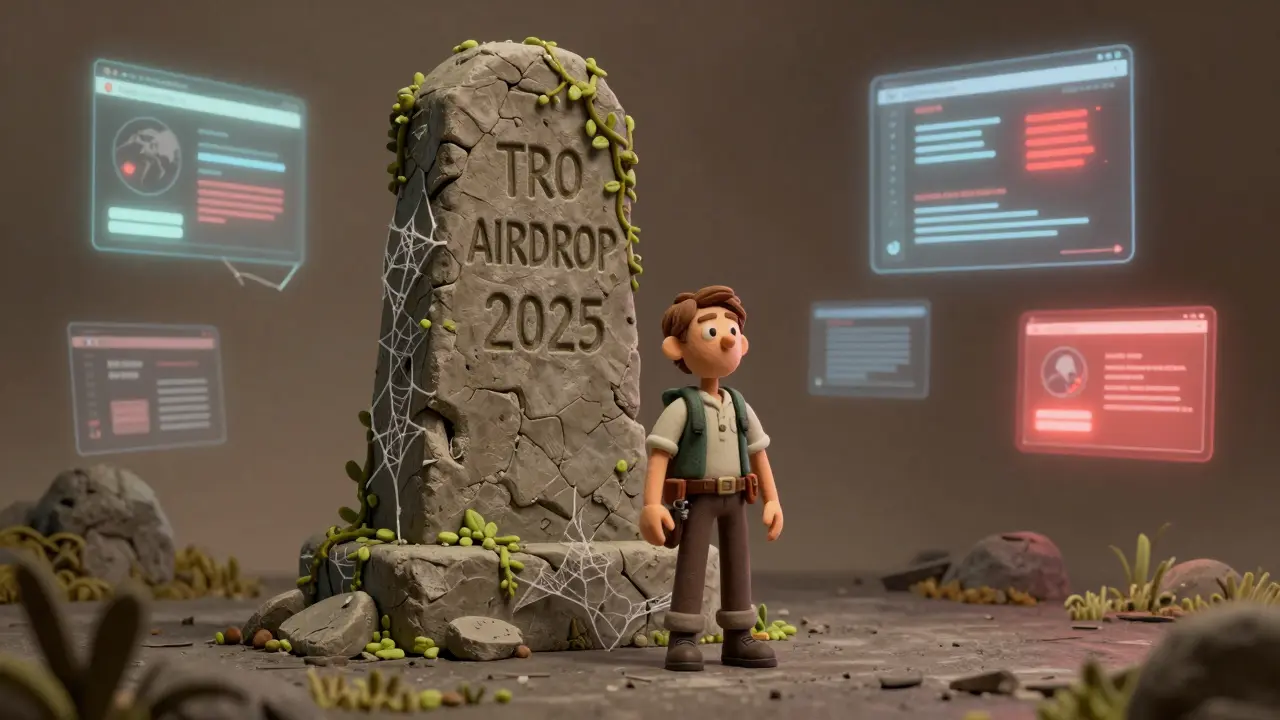
TRO (Trodl) Airdrop: What We Know and Why There’s No Active Campaign
No TRO airdrop by Trodl exists as of 2025. Despite rumors and fake websites, there's no official campaign, no verified tasks, and no legitimate way to claim free tokens. Beware of scams.