US CBDC Development Halted: Why There Won't Be a Digital Dollar
 Jan, 20 2026
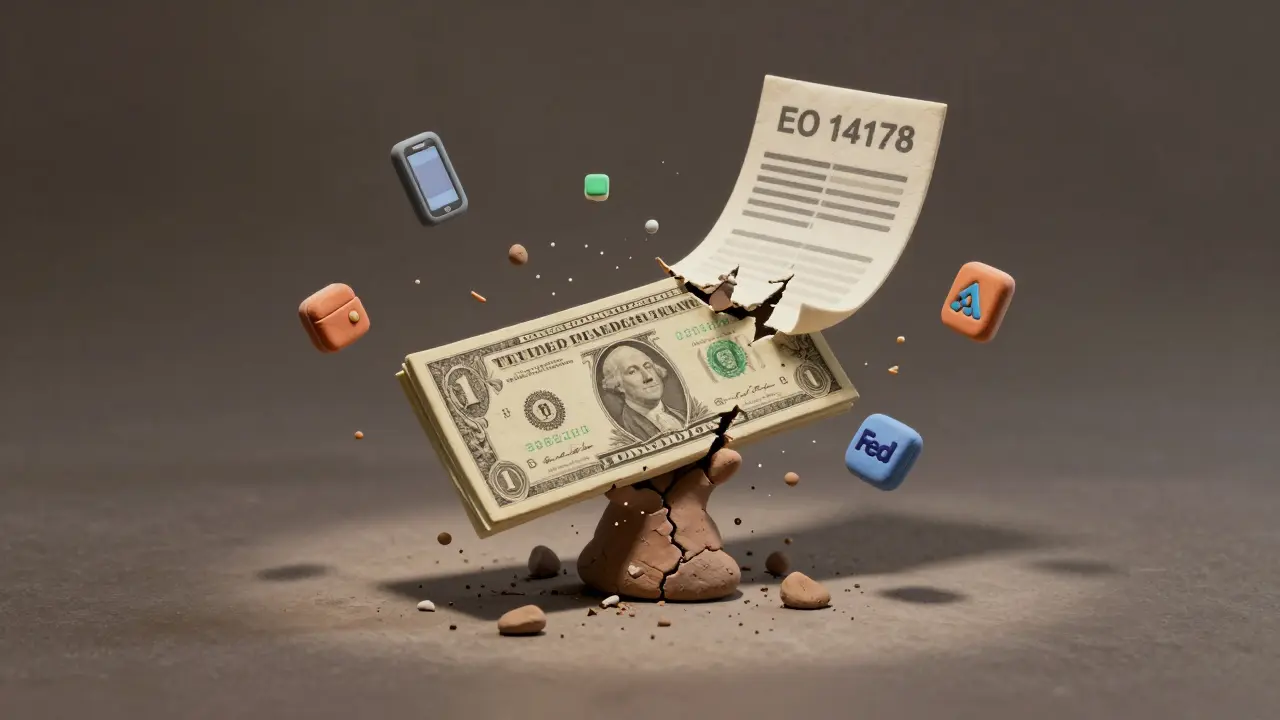
The United States was on the verge of launching a digital dollar-until it wasn’t. In early 2025, President Donald Trump signed Executive Order 14178, shutting down all federal efforts to create a central bank digital currency (CBDC), commonly called the digital dollar or FedCoin. This wasn’t a delay. It wasn’t a pause. It was a full stop. The U.S. government, which had spent years studying, testing, and planning for a digital version of the dollar, suddenly walked away. And now, no digital dollar is coming-at least not under this administration.
What Was the Digital Dollar Supposed to Be?
The digital dollar wasn’t meant to replace cash. It wasn’t even meant to replace credit cards or apps like Apple Pay. It was supposed to be a digital version of U.S. currency issued directly by the Federal Reserve-backed by the full faith and credit of the United States. Think of it like cash, but in your phone wallet. No bank needed. No intermediary. Just you and the Fed. Before the halt, the U.S. had built an entire infrastructure to make this happen. In March 2023, the Treasury Department launched a working group made up of officials from the Federal Reserve, White House, National Security Council, and even the Office of Science and Technology Policy. Their job? Figure out how to design a CBDC that could work at scale-securely, privately, and efficiently. They studied everything: how to prevent fraud, how to keep transactions private without enabling crime, how to make it accessible to people without bank accounts, and how to integrate it with existing payment systems. The Federal Reserve ran multiple pilot programs. Experts from the Bank for International Settlements said a U.S. CBDC could revolutionize how institutions settle trillions in cross-border transactions using programmable money. But none of that mattered after Executive Order 14178.Why Did the U.S. Stop?
The official reason? The administration cited concerns over financial surveillance, civil liberties, and government overreach. Critics of CBDCs had long warned that a digital dollar could give the government too much control over how people spend their money. Imagine a system where the government could block payments to certain vendors, limit how much you can spend each month, or even track every purchase you make in real time. Those fears weren’t theoretical. In 2022 alone, U.S. financial institutions filed over 26 million reports on customer transactions to the government under anti-money laundering laws. The system was already invasive. Adding a digital dollar could have made it worse. Federal Reserve Chair Jerome Powell, who had previously signaled openness to a CBDC, publicly stated he would never issue one while he remains in office. That’s not just policy-it’s a personal commitment. And with the administration backing him, the project was dead. Some analysts believe the decision was also political. The previous administration under Biden had pushed CBDCs as a tool for financial inclusion and modernizing payments. The new administration framed it as a threat to freedom. In a country deeply divided over privacy, government power, and economic control, the digital dollar became a lightning rod.How Does the U.S. Compare to the Rest of the World?
While the U.S. hit pause, the rest of the world kept going. As of early 2025, 134 countries and currency unions are actively working on CBDCs. That’s up from 114 just two years ago. Fifty-three countries are running live pilot programs. Eleven have already launched full-scale digital currencies. The Bahamas, Nigeria, Jamaica, and Zimbabwe are the only ones to fully roll out their own CBDCs so far-but dozens more are close behind. Europe is moving fast. The European Central Bank is deep into its digital euro pilot, aiming to settle wholesale transactions using distributed ledger technology. Japan, Australia, Canada, and all BRICS nations-including China and India-are actively developing their own versions. Even Turkey and Mexico are ahead of the U.S. in implementation. The global value of CBDC transactions is expected to hit $213 billion in 2025. The U.S. isn’t even on the scoreboard. The reasons countries are pushing forward are clear: financial inclusion, faster payments, lower costs, and reducing reliance on physical cash-which can cost up to 1.5% of GDP to manage. Many also see CBDCs as a way to counter private stablecoins and foreign digital currencies like China’s digital yuan, which could undermine the dollar’s global dominance. The U.S. is now the only major economy in the G-20 that has completely abandoned CBDC development. That’s not just a policy difference-it’s a strategic risk.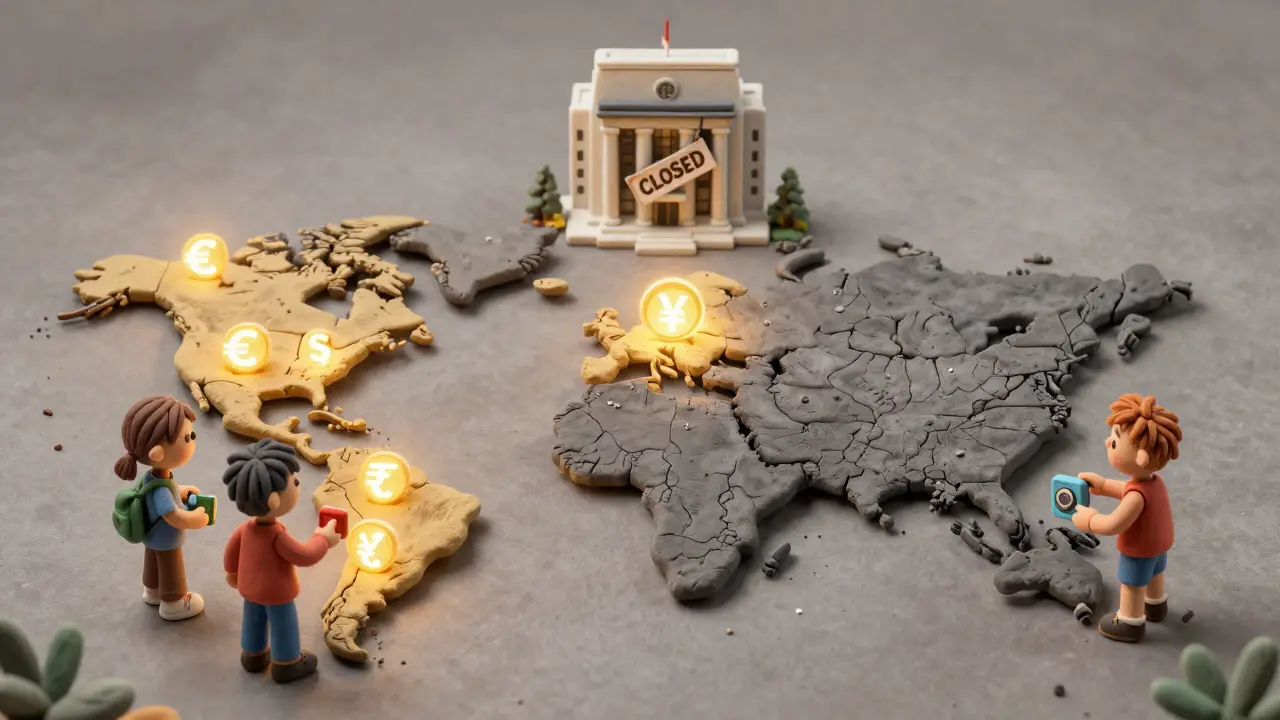
What Does This Mean for the Economy?
Without a sovereign digital dollar, the U.S. financial system is left with a gap. Institutions like State Street, one of the world’s largest asset managers, say they need a high-quality, government-backed digital cash asset to scale institutional investment in tokenized assets like real estate, bonds, and stocks on blockchain networks. Right now, they’re turning to private alternatives. Fnality International, a consortium backed by State Street and other major banks, is building a digital USD system using private blockchain technology. It’s not a CBDC. It’s not issued by the Fed. But it’s designed to act like one-offering settlement in U.S. dollar value, with regulatory oversight. This is the new reality: private companies are stepping in to fill the void left by the government. But private systems come with trade-offs. They’re not as transparent. They’re not as secure. And they’re not backed by the full power of the U.S. Treasury. The long-term effect? The U.S. could lose its edge in shaping global digital finance standards. If Europe, China, or even smaller nations like Jamaica set the rules for how digital money works, the dollar’s role in global trade could slowly erode.What About Privacy and Control?
The argument against the digital dollar wasn’t just about government overreach-it was about trust. Many Americans are wary of any system that gives the government more visibility into their finances. The idea of programmable money-where payments can be restricted based on rules-is especially troubling. What if the government decides you can’t buy certain goods? Or that your stimulus check only works at approved stores? Those fears aren’t baseless. Countries like China have already implemented CBDC features that limit where and how money can be spent. While the U.S. never intended to go that far, the mere possibility fueled political resistance. The decision to halt CBDC development may have been a win for civil liberties advocates. But it also means the U.S. is choosing privacy over innovation. And in a world where digital money is becoming the norm, that choice could come with a cost.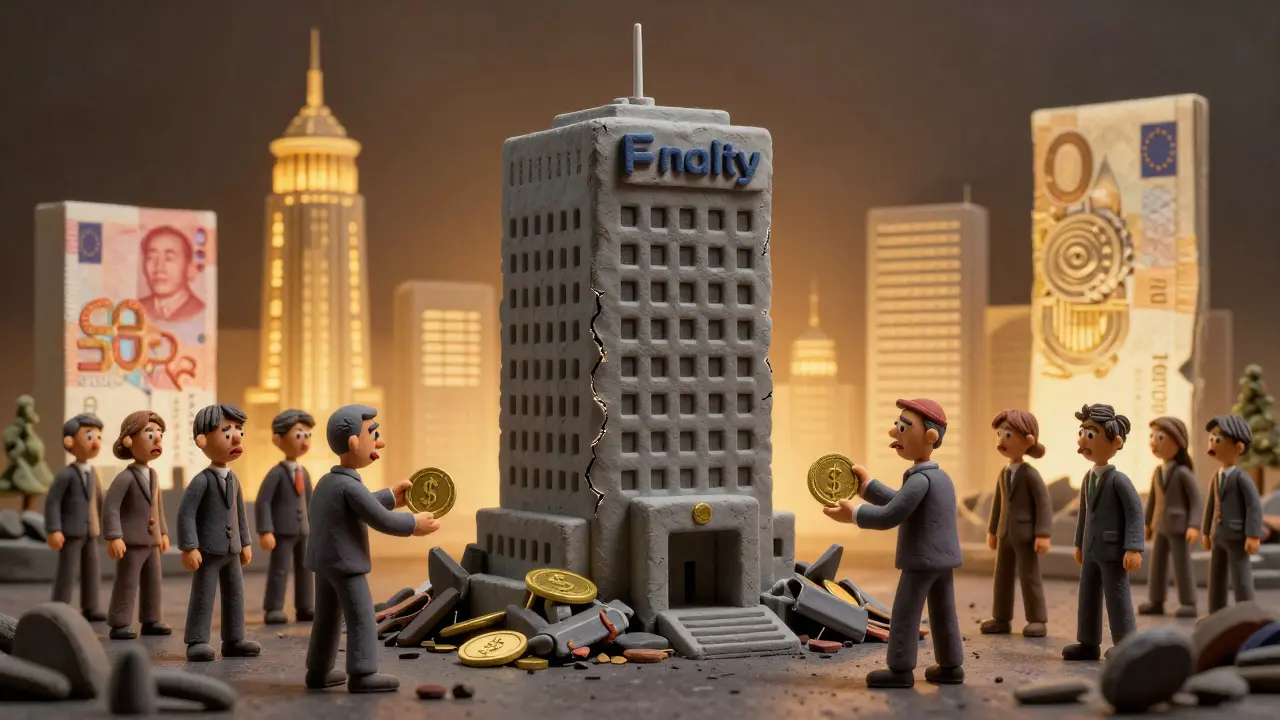
Adam Fularz
January 20, 2026 AT 13:08tbh i dont even know why we were ever gonna do this
Darrell Cole
January 22, 2026 AT 05:53Chidimma Catherine
January 23, 2026 AT 17:26Nathan Drake
January 25, 2026 AT 11:59Melissa Contreras López
January 26, 2026 AT 08:56Mike Stay
January 27, 2026 AT 20:35