VIRVIA (VDV) Airdrop Scam Alert: Why You Should Avoid VIRVIA Online Shopping in 2026
 Aug, 14 2026
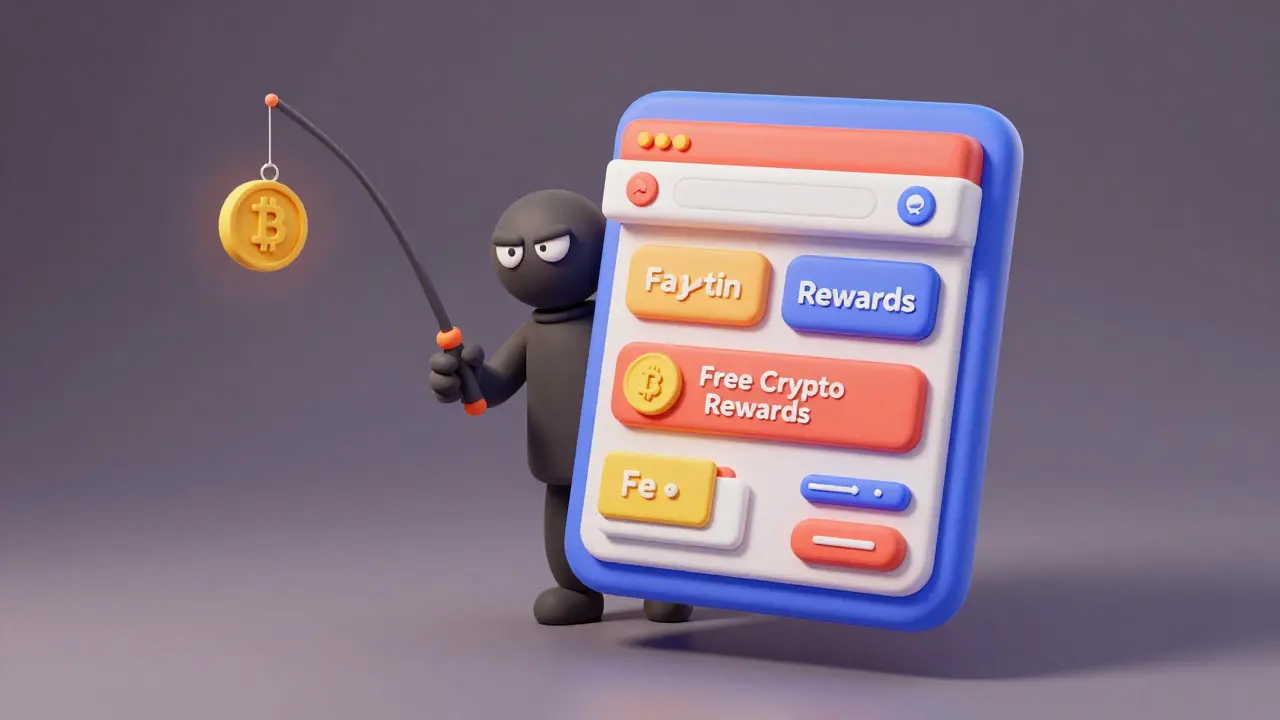
You’ve probably seen the ads or heard the whispers in crypto communities about VIRVIA offering free VDV tokens just for shopping online. It sounds too good to be true, doesn’t it? Buy some groceries or gadgets, connect your wallet, and get paid in cryptocurrency. But here is the hard truth you need to hear before you click that link: The VIRVIA airdrop is a confirmed scam designed to steal your digital assets.
If you are looking for legitimate ways to earn crypto through everyday activities, this guide will save you money. We will break down exactly how the VIRVIA fraud works, why it slipped past so many users, and most importantly, how to spot similar traps in 2026. The crypto space moves fast, and scammers adapt quickly. By understanding the mechanics behind this specific scheme, you protect not just your current portfolio, but your future financial health.
The VIRVIA Illusion: What Was Promised?
To understand why people fell for it, we have to look at what was being sold. The concept of "retail-to-crypto" rewards has been a holy grail for Web3 developers for years. Imagine if every time you bought coffee or clothes, you earned points that converted into tradable tokens. That was the pitch for VIRVIA ONLINE SHOPPING.
The platform claimed to operate as a bridge between traditional e-commerce and blockchain technology. Users were told that by creating an account on their site and connecting a Web3 wallet-like MetaMask or Phantom-they would receive VDV tokens based on their purchase volume. The marketing materials promised high returns, instant rewards, and a seamless user experience. They used professional-looking graphics, cloned popular store layouts, and even created fake social media accounts to generate buzz.
However, there was one major catch: no real product existed. There was no underlying utility for the VDV token. There was no whitepaper explaining the technology. There was no team behind the project. Just a shiny promise of free money. This lack of substance is the first red flag any experienced crypto user should notice. Legitimate projects always have a clear roadmap, technical documentation, and a visible development team.
Red Flags That Scream "Scam"
Looking back with hindsight, the warning signs were everywhere. If you are evaluating new opportunities today, keep these specific indicators in mind. They apply to VIRVIA and countless other fraudulent schemes popping up daily.
- Guaranteed Returns: In finance, especially crypto, nothing is guaranteed. VIRVIA promised fixed token amounts for purchases. Real markets fluctuate; scams promise stability to lure victims in.
- New Domains: The VIRVIA website registered its domain in late 2025. Legitimate companies usually have older web footprints. Check WHOIS data for any new platform promising big rewards.
- Wallet Connection Requests: Asking you to connect your primary wallet to a shopping site is risky. Most legitimate e-commerce sites use standard payment gateways, not direct smart contract interactions for simple purchases.
- No Community Presence: Before the hype, there was silence. No GitHub repositories, no developer discussions, no early adopters. Real projects build communities over months, not days.
- Pressure Tactics: The campaign often included countdown timers or "limited slots" messages. Urgency prevents critical thinking. Always take your time.
According to data from Chainalysis, fake e-commerce airdrops accounted for nearly a third of all airdrop-related fraud in mid-2025. The average victim lost around $785. These numbers aren't just statistics; they represent real people who ignored these basic safety checks.
How the VIRVIA Heist Worked
Understanding the mechanics helps you defend yourself. The VIRVIA operation didn't just trick users with bad promises; it used sophisticated technical methods to drain wallets.
Here is the step-by-step process most victims experienced:
- The Hook: Users clicked ads on social media or received emails claiming they qualified for the VDV airdrop due to previous online activity.
- The Landing Page: They landed on a site that looked like a normal online store. It had products, prices, and a checkout button. The design mimicked trusted platforms like Shopify stores to lower suspicion.
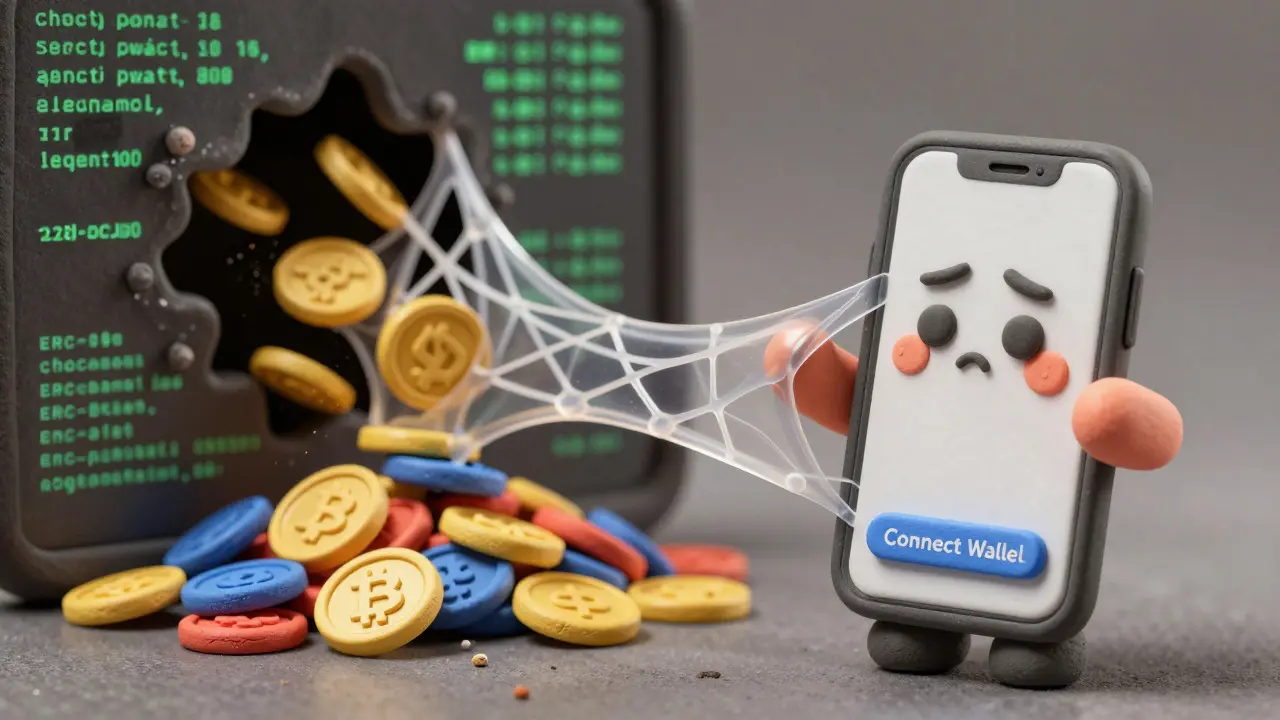
- The Wallet Connect: To "claim" the reward or complete a purchase, users were asked to connect their crypto wallet. This is where the danger began. The connection wasn't just for viewing balance; it granted permission for transactions.
- The Approval Trap: Once connected, the site prompted users to sign a transaction. Often, this was disguised as a "gas fee" or a small verification step. In reality, it was an unlimited approval signature, allowing the scammers to drain ERC-20 tokens or NFTs from the wallet.
- The Disappearance: After the funds were transferred to the scammers' addresses, the site often went offline or changed its URL. Victims were left with empty wallets and blocked support channels.
Blockchain forensics firm Elliptic reported that VIRVIA-linked wallets laundered tens of thousands of dollars through mixing services like Tornado Cash before being frozen. This shows the operation was organized, not just a lone hacker acting on impulse.
Legitimate vs. Fake Airdrops: A Comparison
| Feature | Legitimate Project (e.g., Monad, Hyperliquid) | VIRVIA / Fake Airdrop |
|---|---|---|
| Token Utility | Clear use case within a protocol or ecosystem | No utility; token exists only to be sold by scammers |
| Team Transparency | Public profiles, LinkedIn links, doxxed founders | Anonymous team, fake bios, no verifiable identities |
| Technical Infrastructure | Active GitHub, testnets, audit reports (CertiK, OpenZeppelin) | No code repository, no audits, cloned websites |
| Community Growth | Organic growth over months/years, active Discord/Telegram | Sudden spike in followers, bot-like comments, low engagement |
| Reward Mechanism | Based on actual usage, liquidity provision, or governance participation | Promises free tokens for minimal action (shopping, clicking) |
| Domain Age | Usually established domains or well-known subdomains | Recently registered domains (.online, .shop, .xyz) |
This table highlights the stark contrast. When you see a project that lacks technical depth but promises huge rewards, run the other way. Legitimate builders focus on building software, not selling dreams of easy wealth.
Protecting Your Assets in 2026
The crypto landscape in 2026 is more complex than ever. With Layer 2 solutions, decentralized physical infrastructure networks (DePIN), and AI-integrated chains, there are genuine opportunities. But scammers are also using AI to create more convincing phishing sites and fake news articles. Here is how you stay safe.
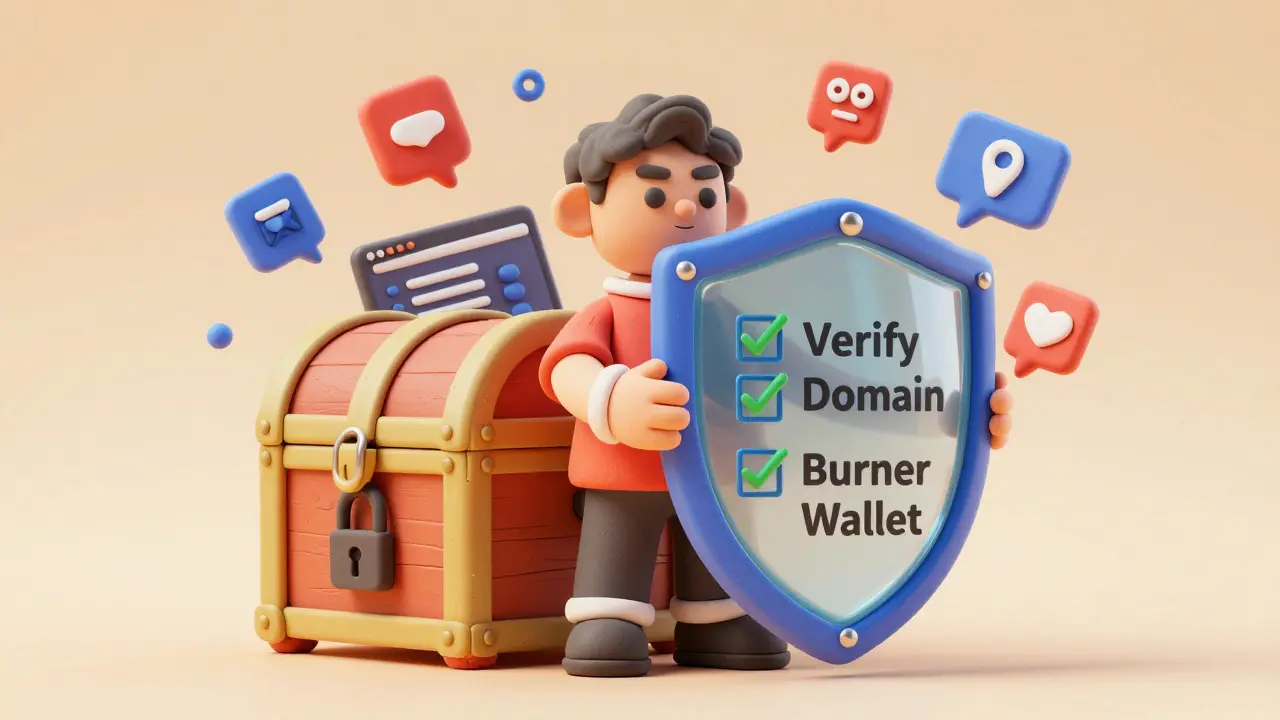
Use a Burner Wallet: Never connect your main holding wallet to unknown dApps or new platforms. Create a separate wallet with only the funds you are willing to lose. If it gets drained, your life savings remain untouched.
Verify Contract Addresses: Always double-check the official contract address of any token from multiple sources. CoinGecko, CoinMarketCap, and the project’s official Twitter/X account are good starting points. Do not trust addresses sent via DMs or random websites.
Check Domain History: Use tools like Whois.com to check when a domain was registered. If a site claims to be a year old but was registered last month, it’s likely a scam. VIRVIA’s domain history was a dead giveaway.
Enable Hardware Security: For significant holdings, use a hardware wallet like Ledger or Trezor. While not immune to phishing, they add an extra layer of security by requiring physical confirmation for transactions.
Stay Skeptical of "Free": In crypto, you are either the customer or the product. If you aren't paying for the service, your data or your funds are the price. Free airdrops exist, but they require work, risk, or early adoption-not just passive shopping.
What to Do If You Were Affected
If you connected your wallet to VIRVIA or similar sites, act immediately. Time is critical in recovering stolen assets, though success is never guaranteed.
- Revoke Permissions: Go to Revoke.cash or similar tools to revoke any approvals granted to the VIRVIA contract. This stops further draining of your wallet.
- Move Funds: Transfer any remaining assets to a new, secure wallet address. Do not leave anything in the compromised wallet.
- Report the Incident: File a report with the FBI’s Internet Crime Complaint Center (IC3). Also, report the scam to the platform where you saw the ad (Twitter, Facebook, etc.).
- Monitor Blockchain: Use Etherscan or Solscan to track outgoing transactions. Sometimes, exchanges freeze stolen funds if they detect suspicious patterns.
- Beware of Recovery Scams: After losing money, you become a target for secondary scams. People claiming they can recover your funds for a fee are almost always liars. Only trust official law enforcement or reputable blockchain forensics firms.
The Future of Retail-Crypto Integration
Does this mean the dream of earning crypto while shopping is dead? Not necessarily. The technology exists. Companies like Shopify have integrated crypto payments, and various loyalty programs are exploring tokenization. However, the key difference is transparency and regulation.
Legitimate integrations will involve known brands, clear terms of service, and regulated exchanges. They won't ask for unlimited wallet permissions. They won't hide behind anonymous teams. As regulatory bodies like the SEC and EU's Anti-Fraud Office crack down on operations like VIRVIA, the market will clean itself up. But until then, vigilance is your best defense.
The rise of DePIN and consumer-centric blockchains means we will see more real-world utility for tokens. But remember: value comes from utility, not hype. If a project doesn't solve a real problem, it’s likely a trap. Keep learning, keep verifying, and keep your keys private.
Is the VIRVIA airdrop real?
No, the VIRVIA airdrop is a confirmed scam. Multiple security firms and community reports have identified it as a fraudulent operation designed to steal crypto assets from users who connect their wallets to the fake shopping platform.
How did VIRVIA steal users' crypto?
VIRVIA used a phishing technique where users were asked to connect their Web3 wallets to claim rewards. Once connected, the site tricked users into signing malicious transactions that granted the scammers permission to drain tokens from their wallets.
What are the signs of a fake crypto airdrop?
Key signs include guaranteed returns, recently registered domains, anonymous teams, lack of technical documentation (whitepapers/GitHub), and requests for unlimited wallet approvals. Legitimate projects are transparent and require active participation, not just passive clicks.
Can I recover my lost funds from VIRVIA?
Recovery is difficult but possible in some cases. Immediately revoke wallet permissions, move remaining funds to a new wallet, and report the incident to the FBI IC3. Monitor blockchain explorers for frozen funds. Be wary of secondary recovery scams.
Are there any legitimate shopping-to-crypto platforms?
Yes, but they are rare and highly regulated. Look for established brands with transparent teams, audited smart contracts, and clear utility for their tokens. Avoid any platform promising free tokens for minimal effort without verifiable credentials.