What is Wrapped Mantle (WMNT)? A Deep Dive into the Layer 2 Asset
 Apr, 20 2026
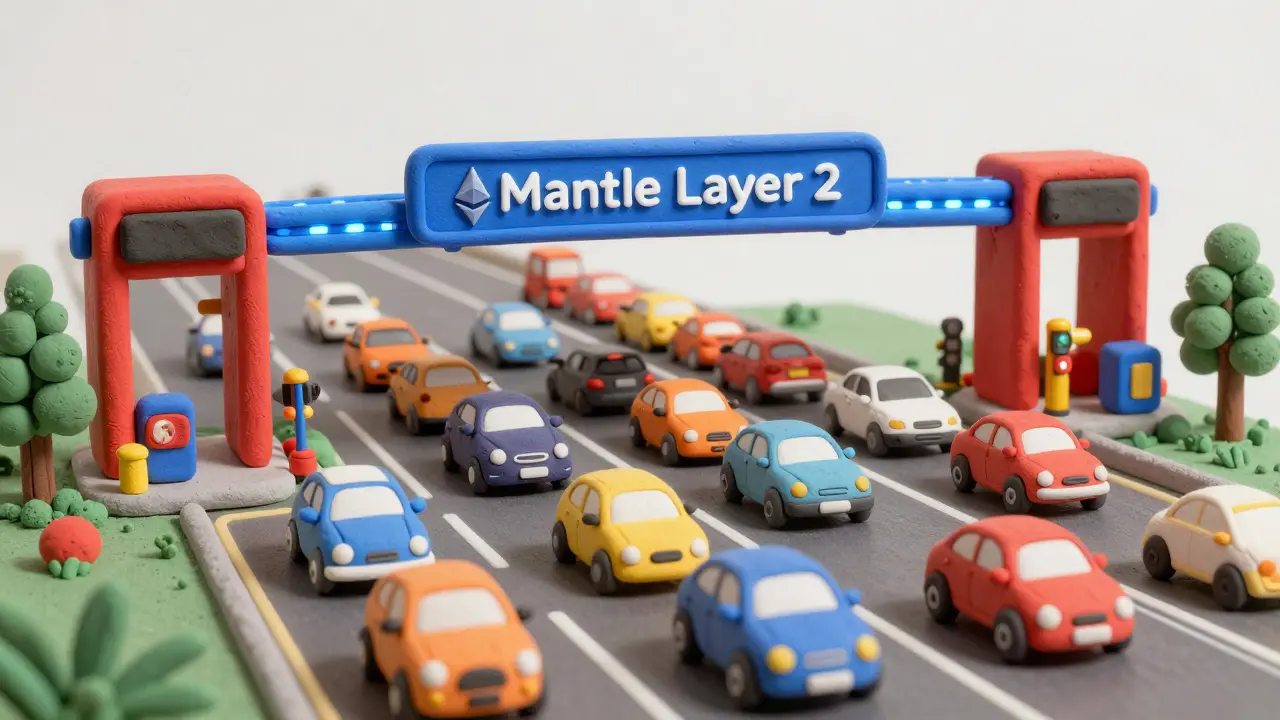
Imagine trying to use a highway during rush hour where the tolls are skyrocketing and traffic barely moves. That is essentially what it feels like to use the main Ethereum network during peak times. This is where Wrapped Mantle is a governance token and bridge asset designed for the Mantle Layer 2 network, aimed at solving Ethereum's scalability trilemma through a modular architecture. Also known as WMNT, it acts as a key piece of infrastructure that allows users to move assets and exercise power over the network's future without getting stuck in the "traffic jams" of the main chain.
Why do we need Wrapped Mantle?
To understand WMNT, you first have to understand the problem it solves. Ethereum is great for security, but it struggles with the "scalability trilemma"-the idea that you can't have security, decentralization, and speed all at once. Mantle is a modular Layer 2 blockchain that breaks these tasks into specialized components to make transactions faster and cheaper.
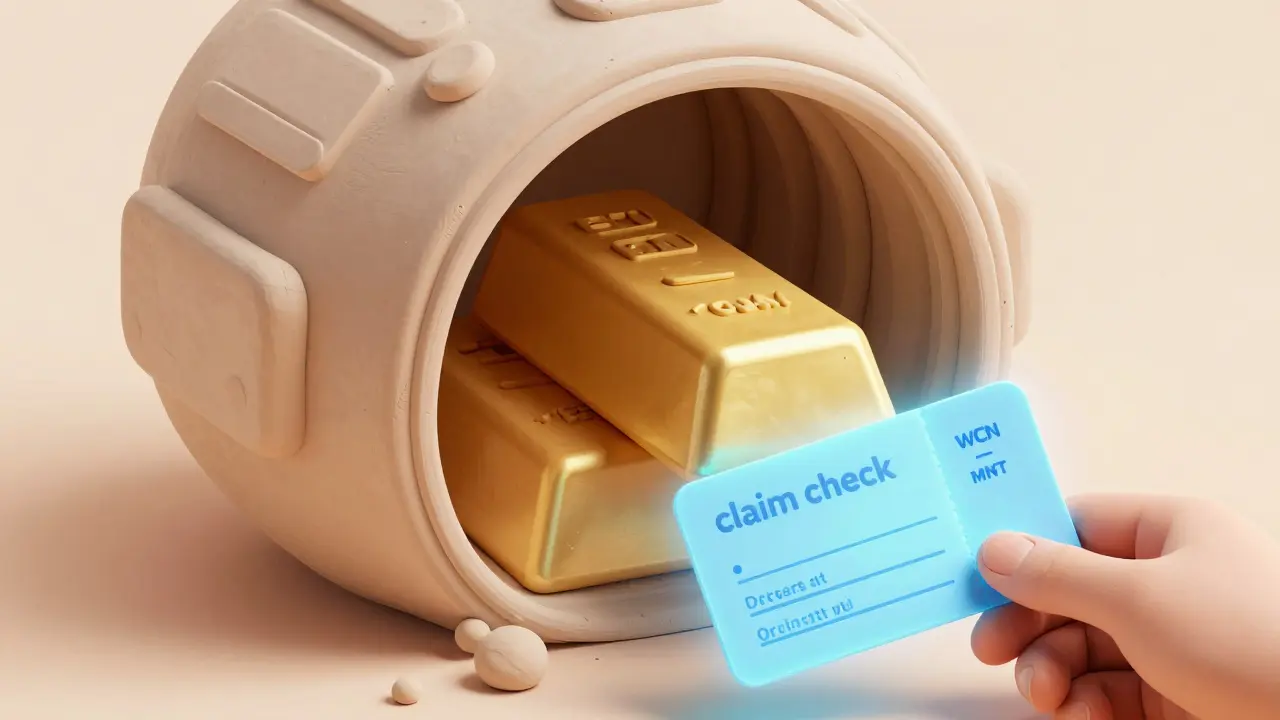
But how do you move your value from the main Ethereum chain into this faster environment? That is where the "wrapped" part comes in. In the crypto world, "wrapping" is like putting a gold bar in a secure vault and receiving a claim check that you can trade easily on a different market. WMNT is that claim check. It allows the value of the Mantle ecosystem to flow across different chains, making the network actually usable for sehari-hari applications like DeFi or gaming.
How WMNT actually works
WMNT isn't just a placeholder for value; it has two distinct jobs that keep the network running. First, it acts as a bridge asset. This means it facilitates cross-chain interactions. If you want to move liquidity from one network to another, WMNT provides the mechanism to do so without needing to sell your assets for a different currency every time.
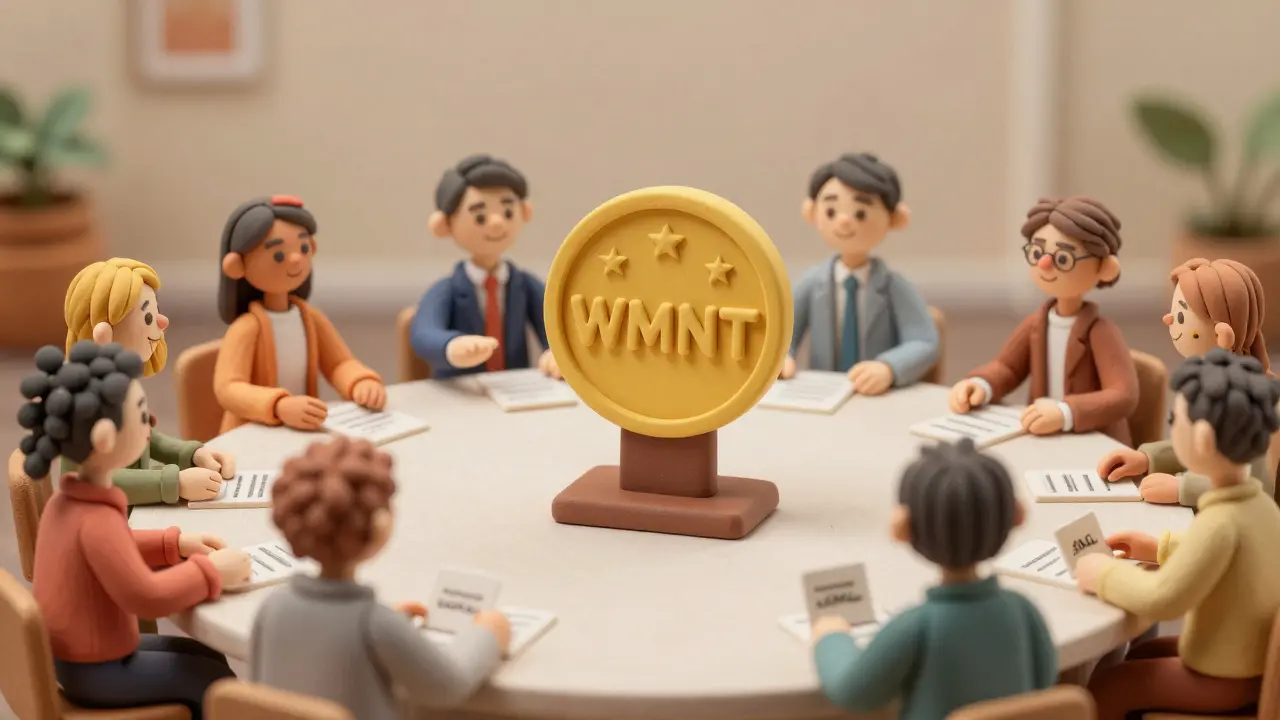
Second, it serves as a governance token. This is the digital equivalent of having a voting share in a company. If you hold WMNT, you can participate in protocol decisions. Whether it is changing the fee structure or deciding which new features to implement, the token gives the community a voice. This prevents the network from being controlled by a single central entity, keeping it decentralized.
The Current Market Reality
If you look at the numbers for WMNT, you'll notice something strange: the data is all over the place. Depending on which exchange or tracker you use, the price and market cap can vary wildly. For instance, recent data has shown prices swinging between $0.77 on some platforms and as high as $1.66 on others. This isn't necessarily a glitch; it's a sign of a fragmented market.
Because WMNT is a smaller-cap altcoin, it doesn't have the massive, unified liquidity of a giant like Bitcoin. This leads to high volatility. Some reports place the market cap around $14 million, while others suggest it's closer to $21.9 million. For a trader, this means the "spread" (the difference between the buying and selling price) can be significant, and price swings can be violent.
| Attribute | Typical Low Range | Typical High Range | Impact on User |
|---|---|---|---|
| Price (USD) | $0.77 | $1.66 | High volatility in short-term value |
| Market Cap | ~$14 Million | ~$21.9 Million | Low market dominance (approx 0.00052%) |
| Circulating Supply | ~11 Million WMNT | ~18 Million WMNT | Affects price stability and scarcity |
Comparing WMNT to Other Layer 2 Giants
When you talk about Layer 2, names like Polygon, Arbitrum, and Optimism usually dominate the conversation. Compared to these giants, Wrapped Mantle is a smaller player. While Arbitrum and Optimism focus heavily on optimistic rollups to scale Ethereum, Mantle's "modular" approach tries to separate the data availability layer from the execution layer.
The biggest difference for the average user is accessibility. While the big L2 tokens are on almost every single exchange, WMNT is more selective. For example, it is not tradable on Coinbase, which means retail investors usually have to use platforms like MEXC or various decentralized exchanges (DEXs) to get their hands on it. This creates a higher barrier to entry, but for some, it represents an early-stage opportunity before the token hits the biggest platforms.
Risks and Rewards of Holding WMNT
Investing in a token like WMNT is fundamentally different from buying Ethereum. You are essentially betting on the adoption of the Mantle network. If more developers build apps on Mantle and more users move their funds via the bridge, the demand for WMNT increases. The modular architecture is a sophisticated technical bet-if it proves more efficient than the standard rollup models, WMNT could see significant growth.
On the flip side, the risks are real. The L2 space is incredibly crowded. If a dominant player like Polygon captures the majority of the market share, smaller projects can fade into obscurity. Additionally, the price volatility is extreme; the token has traded nearly 50% below its all-time high at various points. You aren't just dealing with market risk, but also technical risk associated with bridge assets-bridges are historically some of the most targeted points for hackers in the crypto world.
Quick Checklist: Should You Use WMNT?
- Are you looking for governance power? If you want to vote on the future of the Mantle network, you need WMNT.
- Are you moving assets to Mantle L2? WMNT is the primary vehicle for bridging and liquidity.
- Can you handle volatility? If a 10% price swing in a day makes you nervous, this smaller-cap asset might be too risky.
- Do you have a MEXC or DEX account? Since it isn't on every major exchange, ensure you have the tools to actually trade it.
Is Wrapped Mantle (WMNT) the same as the native Mantle token?
Not exactly. While they represent the same underlying value, the "Wrapped" version is specifically designed to be compatible with other networks and used as a bridge asset. It allows the token to exist and be traded on chains where the native Mantle token cannot natively operate.
Where can I buy WMNT if it's not on Coinbase?
You can typically find WMNT on exchanges like MEXC, Kriptomat, or through decentralized exchanges (DEXs) by connecting a compatible wallet. Always double-check the contract address to avoid buying fake tokens.
What does "modular architecture" mean for WMNT?
Most blockchains do everything (execution, settlement, and data) in one place. Modular architecture, which Mantle uses, separates these tasks. This allows the network to scale more efficiently, which theoretically increases the utility and value of the WMNT token as the network grows.
Why is the price of WMNT different on different websites?
This happens because WMNT is traded across multiple fragmented markets. Different exchanges have different levels of liquidity and trading volume, meaning the price on a small exchange might not yet reflect the price on a larger one.
Does holding WMNT give me any real power?
Yes, it acts as a governance token. This means holders can vote on protocol upgrades, treasury management, and other critical network decisions, giving them a direct say in how the Mantle ecosystem evolves.
Next Steps and Troubleshooting
If you are new to the Mantle ecosystem, start by setting up a compatible wallet (like MetaMask) and adding the Mantle network RPC settings. If you find that you cannot find WMNT on your preferred exchange, look into using a bridge to move assets from Ethereum to the Mantle L2 environment.
For those experiencing "stuck" transactions while bridging, first check the network congestion on Ethereum. Because WMNT relies on a bridge, if the main Ethereum chain is clogged, your wrapped assets might take longer to appear. Always verify the transaction hash on a block explorer to ensure the assets are moving and haven't been lost in transit.
Tony Gurley-Ward
April 22, 2026 AT 05:43The whole notion of wrapping a token is basically just financial origami. We're folding digital paper into different shapes to convince ourselves that liquidity is flowing when we're really just playing a game of musical chairs with claim checks. It is a fascinating dance of perceived value versus actual utility, honestly. Most people just see a bridge, but I see a metaphysical bridge between what a token is and what we want it to represent in a fragmented void. Still, the modular approach is a spicy take on the scalability problem that might actually shake things up if the timing is right.
Mike Word
April 24, 2026 AT 01:24The discrepancy in market data across different exchanges is quite a significant hurdle for those trying to establish a stable entry point. It suggests a lack of unified liquidity that could be problematic for institutional adoption in the long run.
Clair Geary
April 24, 2026 AT 14:03love the way this explains the bridge part it makes so much sense when you think about the gold bar analogy really helps the vibe of the whole thing
Ellie Drews
April 25, 2026 AT 08:38Bridges can be scary but the modular side of things is super interesting for anyone who wants to get into L2 without the usual chaos
Sarah Ingrams
April 26, 2026 AT 02:56true