BaFin Licensing: What It Means for Crypto Exchanges in Germany
When a crypto exchange says it’s BaFin licensed, the German Federal Financial Supervisory Authority has officially approved its operations under strict financial rules. Also known as German crypto regulation, this isn’t just a badge—it’s a legal requirement to operate in Germany. Without it, platforms are essentially operating in the dark, and users are at serious risk. BaFin doesn’t just check if a company has a website or a logo. They demand proof of secure custody, anti-money laundering controls, clear business models, and real financial backing. If a platform like CashTelex or Blockfinex shows no sign of BaFin approval, that’s not a small detail—it’s a red flag you can’t ignore.
BaFin licensing directly affects what crypto services you can legally use in Germany. Exchanges like Bitpanda and Kraken made the effort to get licensed because they want to stay open for German customers. But many others—especially those targeting users in Eastern Europe or Asia—skip this step entirely. That’s why crypto exchange availability by region matters so much. If you’re in Germany and you’re using an unlicensed platform, you’re not just taking a risk—you’re breaking the law. And it’s not just about trading. If you’re involved in DeFi, staking, or even running a crypto business, BaFin’s rules apply. The same goes for stablecoins like XUSD, which is regulated by Singapore’s MAS, not BaFin. That means even if it’s safe elsewhere, it might not be legal for you to use in Germany.
What’s more, BaFin doesn’t just regulate exchanges. They track token listings, monitor airdrop scams, and shut down fake platforms pretending to be real. That’s why you’ll find posts here about fake MDX or BSC AMP airdrops—these aren’t just marketing gimmicks. They’re often designed to trick people into sending crypto to unregulated wallets, bypassing all oversight. BaFin licensing is the line between a platform you can trust and one that could vanish overnight with your money. It’s not about being fancy or trendy. It’s about having a government watchdog watching your back. The posts below show you exactly which exchanges meet these standards, which ones don’t, and how to spot the difference before you deposit a single euro.
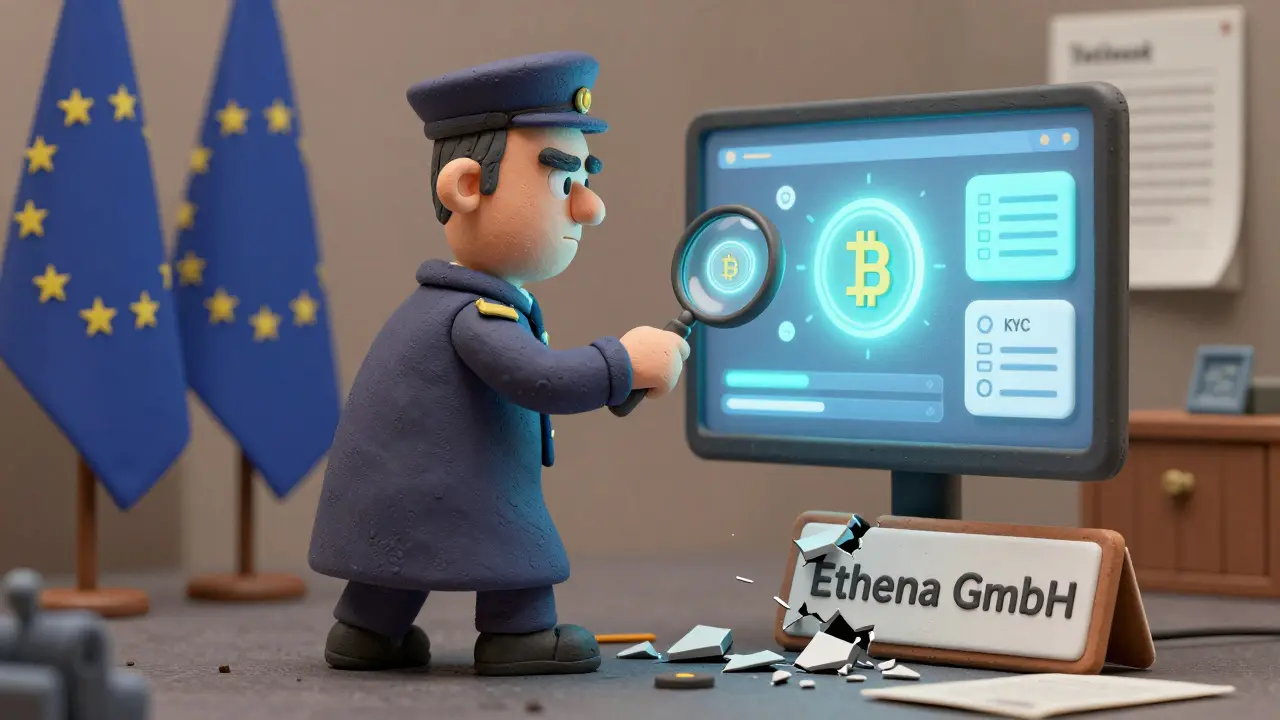
German Crypto Exchange Regulations and Licensing: What You Need to Know in 2025
Germany's crypto exchange regulations require BaFin licensing, MiCAR compliance, strict AML rules, and detailed tax reporting. Learn what it takes to operate legally in 2025.