Bitcoin Mining in Iran: Risks, Rules, and Realities
When you hear Bitcoin mining, the process of validating Bitcoin transactions and adding them to the blockchain using powerful computers. Also known as cryptocurrency mining, it's what keeps the network alive—but in Iran, a country with state-controlled energy prices and strict crypto laws, it’s become a high-stakes game of survival. Unlike places like the U.S. or Canada, where miners chase cheap renewables, Iran’s miners ride subsidized electricity. The government doesn’t officially endorse Bitcoin, but it doesn’t fully ban it either. Instead, it lets mining happen under the radar—so long as miners pay for power and don’t use it to bypass sanctions.
That’s why Iran has one of the largest mining footprints in the world. In 2023, it was estimated that up to 10% of global Bitcoin mining happened there, mostly in warehouses packed with ASIC rigs. These aren’t hobbyists. They’re businesses, often backed by local investors who see mining as a way to convert rials into something more stable. But here’s the catch: electricity isn’t free. The government started throttling power to mining farms after blackouts hit major cities. Some miners got shut down overnight. Others switched to solar or diesel backups. And a few got arrested for using grid power illegally.
It’s not just about power. Iran crypto regulations, a patchwork of rules that change with political winds, mean today’s legal operation could be tomorrow’s crime. Mining hardware—like Bitmain or MicroBT machines—isn’t banned, but importing it can trigger customs scrutiny. And if you’re caught sending Bitcoin out of the country, you could face fines or worse. There’s no official licensing system, no clear guidelines, and no legal protection if your rigs get seized. You’re on your own.
What you’ll find in the posts below aren’t guides on how to mine Bitcoin in Iran. There aren’t any safe ones. Instead, you’ll see real stories about what happens when crypto meets a state with tight control over money and energy. You’ll read about exchanges that vanished, airdrops that never happened, and how people in Iran use crypto not to get rich, but to stay connected to the global economy. Some posts expose fake platforms pretending to offer mining deals. Others break down how energy policy shapes mining hotspots. And one dives into why Iran’s crypto scene looks so different from Russia’s or Venezuela’s—despite similar conditions.
This isn’t a tutorial. It’s a warning, a map, and a mirror. If you’re thinking about mining in Iran—or just trying to understand why it’s still possible—you need to know what’s real, what’s risky, and what’s just noise. The posts below don’t sugarcoat it. They show you the cracks in the system, the people who navigate them, and why Bitcoin keeps running—even where it’s not supposed to.
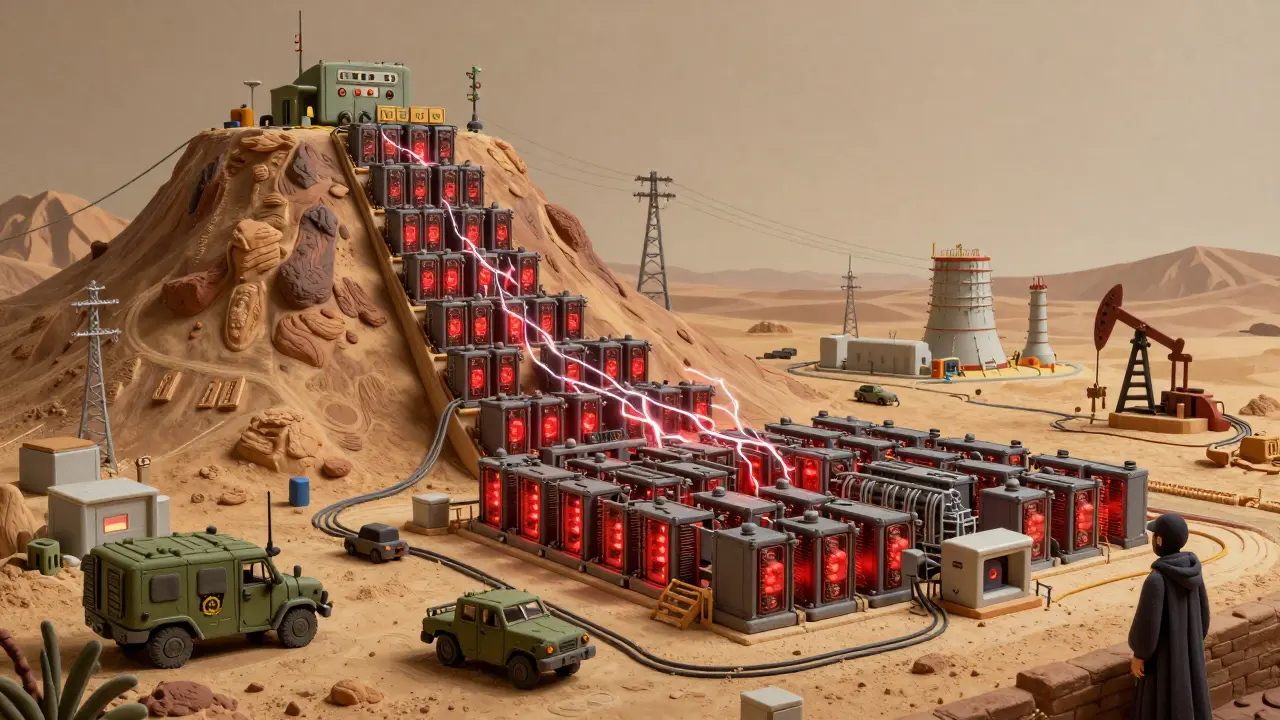
How Iran Uses Bitcoin Mining to Bypass International Sanctions
Iran uses Bitcoin mining to bypass international sanctions by turning surplus electricity into digital currency, funding imports and bypassing global banking restrictions. With state-backed operations and $4 billion+ in crypto flows, it's a high-stakes strategy with global implications.