Blockchain Gaming: How Play-to-Earn, NFTs, and Crypto Meet in 2025
When you think of blockchain gaming, a fusion of video games and decentralized technology where players truly own in-game assets. Also known as crypto gaming, it turns hours spent leveling up into real economic activity—whether through trading NFTs, earning tokens, or participating in player-driven economies. This isn’t sci-fi anymore. Games like Bloktopia (BLOK), a Polygon-based metaverse built as a 21-story skyscraper symbolizing Bitcoin’s supply cap and Whalebit (CES), the utility token behind Meta Whale, a Polygon platform combining gaming, DeFi, and NFTs are already letting players buy land, earn rewards, and trade assets outside traditional app stores.
At its core, blockchain gaming replaces centralized control with ownership. In older games, your rare skin or weapon? It’s just data on a server. In blockchain games, it’s an NFT—a verifiable, transferable digital item you hold in your wallet. That means you can sell it on a marketplace, use it in another game, or even rent it out. Platforms like MDEX (BSC), a fast, low-cost DEX on Binance Smart Chain that supports NFT trading and token rewards make it easier than ever to swap these assets without waiting for a centralized exchange. And while some projects, like MetaGear (GEAR), a game with a billion-token supply and zero circulating tokens, hinting at a future airdrop, are still waiting to launch, others—like APENFT, a TRON-based NFT ecosystem that handed out over 45 billion tokens in one of the biggest airdrops of 2025—have already proven the model works.
But it’s not all rewards and upgrades. Many blockchain games still struggle with low liquidity, unclear roadmaps, and scams disguised as airdrops. Projects like Smog (SMOG), a Solana meme coin with 98% price drops and no real utility beyond staking show how hype can outpace substance. Meanwhile, OpenDAO (SOS), an Ethereum token airdropped to OpenSea users with no active development or use case, reminds us that owning an NFT doesn’t mean it has value. The real winners in blockchain gaming aren’t just the players who grind—they’re the ones who understand what’s built to last.
What you’ll find below isn’t just a list of games or tokens. It’s a practical guide to what’s real, what’s risky, and what’s worth your time in 2025. From how to spot fake airdrops to which platforms actually let you earn, these posts cut through the noise and show you exactly how blockchain gaming works—on the ground, in the wallet, and in the real world.
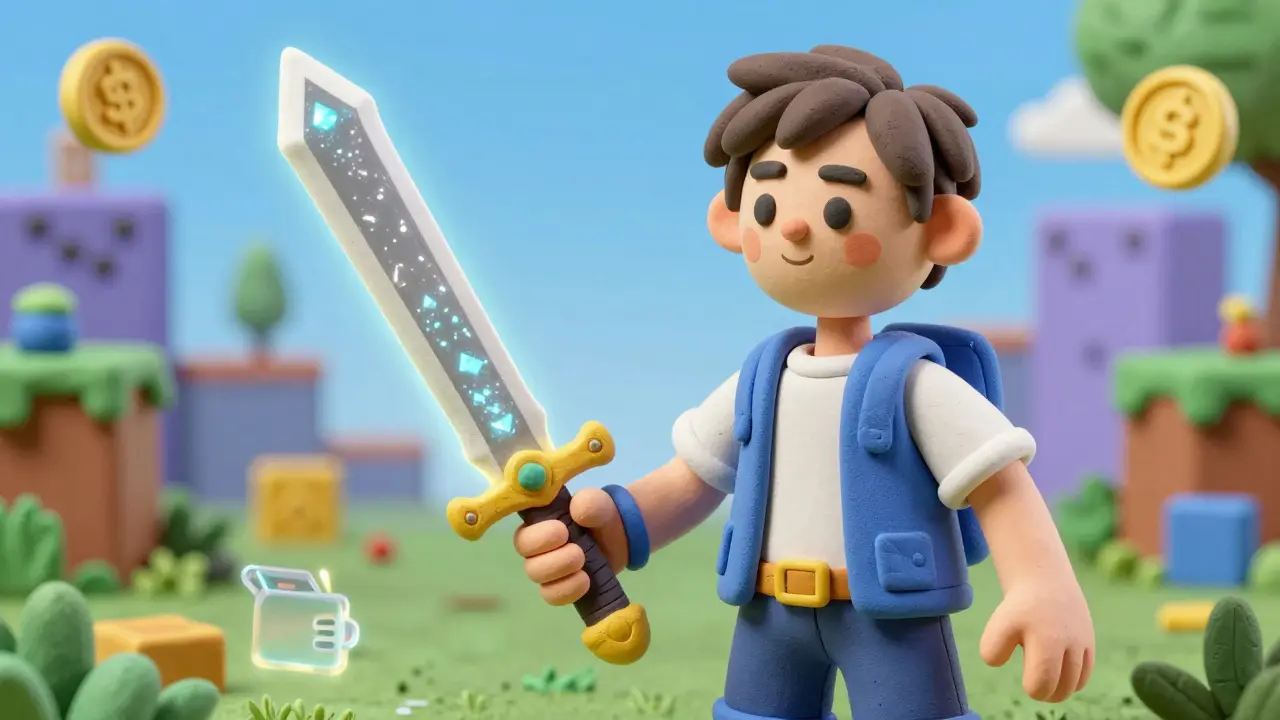
What Are Gaming NFTs? A Clear Guide to Digital Ownership in Video Games
Gaming NFTs are unique digital assets in video games that players truly own, stored on blockchains like Ethereum or Polygon. Unlike regular in-game items, they can be sold, traded, and used across games, offering real ownership and play-to-earn potential.