Crypto Licensing 2025: What’s Legal, What’s Not, and Where to Trade Safely
When it comes to crypto licensing 2025, the rules governing who can legally operate cryptocurrency platforms and services. Also known as crypto regulation, it’s no longer just a technical detail—it’s the line between a working exchange and a criminal operation. In 2025, governments aren’t just watching—they’re shutting down platforms that don’t play by their rules. If a crypto exchange doesn’t have a license where it claims to operate, it’s not just risky—it’s often illegal.
Take Algeria, a country that turned cryptocurrency possession into a criminal offense. Their 2018 Financial Law didn’t just restrict crypto—it made even discussing it dangerous. Meanwhile, in the U.S., the SEC and FinCEN demand licenses for any platform handling user funds, and unlicensed exchanges like Blockfinex and CashTelex are flagged as scams. Even in places like Taiwan, where crypto isn’t banned, you need to track every trade for taxes up to 20%. And if you’re in Russia, using unlicensed platforms like Garantex could land you in court.
Crypto regulations, the legal frameworks that define how digital assets can be bought, sold, and taxed, vary wildly. Some countries, like Singapore and the UAE, welcome regulated exchanges with open arms. Others, like Iran, use crypto mining to bypass sanctions, while countries like Algeria and Moldova sit at opposite ends of the spectrum. The result? You can’t assume an exchange is safe just because it looks professional. If it doesn’t say which jurisdiction it’s licensed under, it’s probably not licensed at all. That’s why posts on this page dig into real cases—like why MEXC isn’t available in the U.S., why Binance operates regional versions, and why you should avoid platforms like SkullSwap or Blockfinex that hide their compliance status.
And it’s not just exchanges. Stablecoins like XUSD are only trusted because they’re regulated by the Monetary Authority of Singapore. Airdrops like APENFT’s are legit because they follow clear rules. But fake airdrops for BSC AMP or TRO? Those are scams built on the absence of oversight. The truth is, in 2025, crypto licensing isn’t about bureaucracy—it’s about survival. If you’re trading, staking, or even just holding crypto, you need to know where the rules apply and who’s enforcing them. Below, you’ll find real reviews, regional breakdowns, and scam alerts that show exactly how licensing shapes your crypto experience—whether you’re in Europe, Asia, or the Middle East.
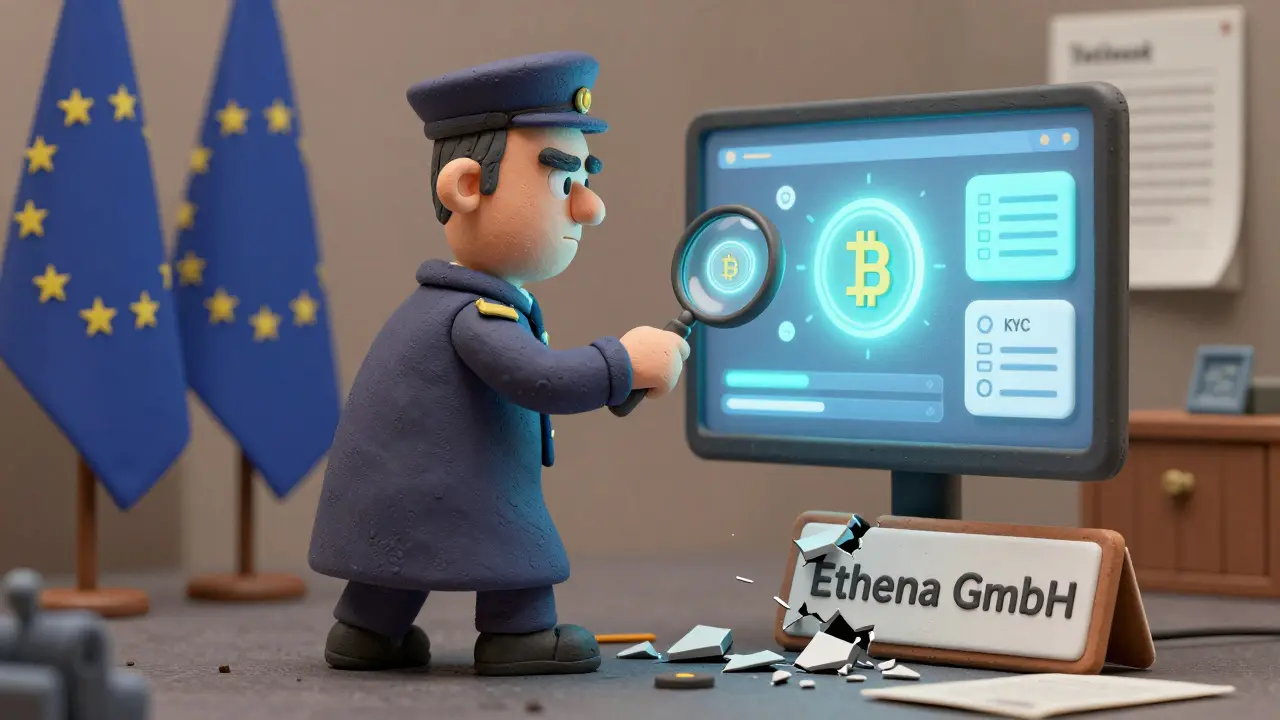
German Crypto Exchange Regulations and Licensing: What You Need to Know in 2025
Germany's crypto exchange regulations require BaFin licensing, MiCAR compliance, strict AML rules, and detailed tax reporting. Learn what it takes to operate legally in 2025.