Crypto Regulations Germany: What You Need to Know About Trading and Compliance
When it comes to crypto regulations Germany, the country’s legal framework for digital assets is among the most structured in the European Union. Also known as German cryptocurrency laws, these rules treat Bitcoin and other crypto assets as private money, not legal tender—but they still require full reporting and tax compliance. Unlike some countries that ban crypto outright, Germany lets you buy, hold, and trade it, but only if you follow the rules.
One of the biggest things to understand is how crypto taxation Germany, the way profits from crypto trades are taxed under German income tax law. Also known as German crypto tax rules, if you hold crypto for more than a year, you don’t pay tax when you sell it. But if you trade it within 12 months, profits over €600 are taxable. This applies to everything—from Bitcoin to stablecoins like USDC and DAI. Even DeFi yield farming can trigger a tax event. The German tax office (Finanzamt) expects you to track every buy, sell, and swap. No exceptions. That’s why tools for cost basis tracking aren’t optional—they’re essential.
crypto exchanges Germany, the platforms you can legally use to trade crypto in the country. Also known as licensed German crypto platforms, only exchanges registered with BaFin—the German financial regulator—are allowed to operate here. That’s why Binance.com is blocked, but Binance DE and Kraken Germany are fully legal. Unregulated platforms like CashTelex or Blockfinex? They’re not just risky—they’re against the law. If you use them, you’re not just exposing your funds—you’re risking legal trouble. And it’s not just about safety. Germany also tracks cross-border transfers. If you send crypto to a foreign exchange, you might need to report it under anti-money laundering rules.
Germany doesn’t just regulate exchanges—it’s also watching how crypto is used. Mining is legal, but large-scale operations must register as businesses. Airdrops and staking rewards are taxable income. Even NFT sales count. The country’s approach is simple: if it’s a financial activity, it’s subject to oversight. That’s why posts here cover everything from how to avoid scams like fake BSC AMP airdrops to why using MAS-regulated XUSD isn’t an option if you live in Berlin.
You’ll find real-world guides here—not theory. We’ve pulled together reviews of exchanges you can actually use in Germany, breakdowns of how tax rules apply to your trades, and warnings about platforms that could get you flagged. Whether you’re holding Bitcoin long-term, trading altcoins on a licensed DEX, or just trying to figure out if your recent swap needs to be reported, the posts below give you exactly what you need to stay legal and avoid costly mistakes.
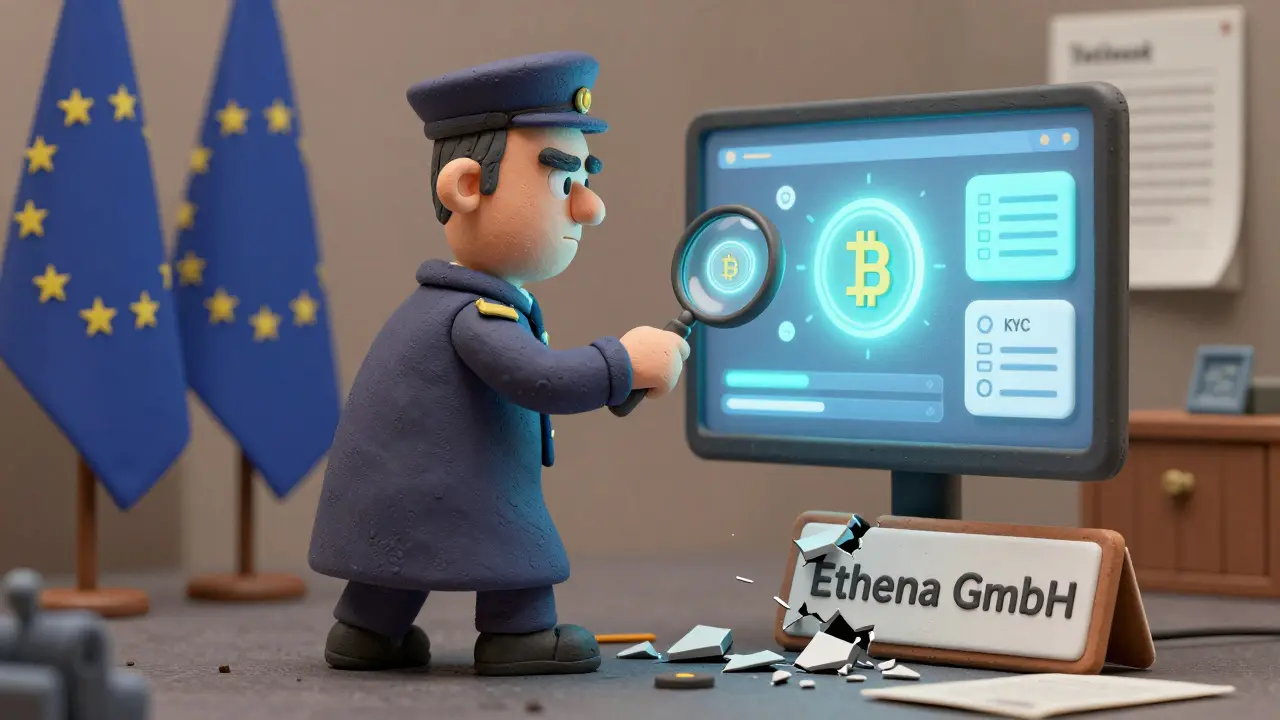
German Crypto Exchange Regulations and Licensing: What You Need to Know in 2025
Germany's crypto exchange regulations require BaFin licensing, MiCAR compliance, strict AML rules, and detailed tax reporting. Learn what it takes to operate legally in 2025.