Crypto Trading: How to Trade Smart, Avoid Scams, and Pick the Right Exchanges
When you're doing crypto trading, the act of buying, selling, or exchanging digital assets for profit or utility. Also known as digital asset trading, it's not just about timing the market—it's about understanding the platforms, risks, and tools that make it work or break it. Too many people jump in thinking it’s like stock trading, but the rules are different. Exchanges aren’t all created equal. Some have real volume and security. Others? They’re ghosts—no reviews, no transparency, no way to know if your money is safe.
That’s why knowing the difference between a real crypto exchange, a platform where you can buy, sell, or swap cryptocurrencies. Also known as cryptocurrency trading platform, it can be centralized like MEXC or decentralized like Mdex matters. MEXC offers 3,000+ coins and 500x leverage—great for experienced traders. But Blockfinex? No audits, no verified volume. Same with CashTelex—completely invisible. If you can’t find user reviews or regulatory info, walk away. Your money isn’t just at risk—it’s gone before you even click trade.
And then there’s stablecoins, cryptocurrencies pegged to real-world assets like the US dollar to reduce volatility. Also known as digital fiat tokens, they’re the backbone of smart crypto trading. USDT, USDC, DAI—each has different backing, regulations, and use cases. If you’re trading on BSC or TON, you need the right one. Using the wrong stablecoin can cost you in fees, delays, or even frozen funds. That’s why you can’t treat them like regular crypto. They’re your anchor.
Then there’s DeFi, a system of financial applications built on blockchains that operate without banks or middlemen. Also known as decentralized finance, it enables yield farming, liquidity pools, and cross-chain swaps. But DeFi isn’t magic. Wrapped tokens like WBTC let Bitcoin move on Ethereum, but they rely on custodians. If that custodian gets hacked, your wrapped asset vanishes. Yield farming sounds like free money, but impermanent loss can wipe out your gains faster than a rug pull.
Regional rules change everything. Binance isn’t available in the U.S.—but Binance.US is. Russia can’t use Garantex without risking jail. Algeria bans crypto entirely. Even tax rules in Taiwan hit traders at 20% on profits. Crypto trading isn’t global—it’s fragmented. You’re not just trading coins. You’re navigating laws, risks, and hidden traps.
And don’t get fooled by fake airdrops. BSC AMP? No such thing. MDX airdrop? Scam bait. TRO? Fake websites only. Real airdrops like APENFT’s 45 billion token drop are rare, documented, and verifiable. If it sounds too good to be true, it’s not just a scam—it’s a trap designed to steal your wallet keys.
What you’ll find below isn’t theory. It’s real-world breakdowns of exchanges that work and ones that vanish. Stablecoins you can trust. DeFi protocols that deliver—or destroy. And the hidden red flags that separate smart traders from those who lose everything. No fluff. No hype. Just what you need to trade without getting burned.
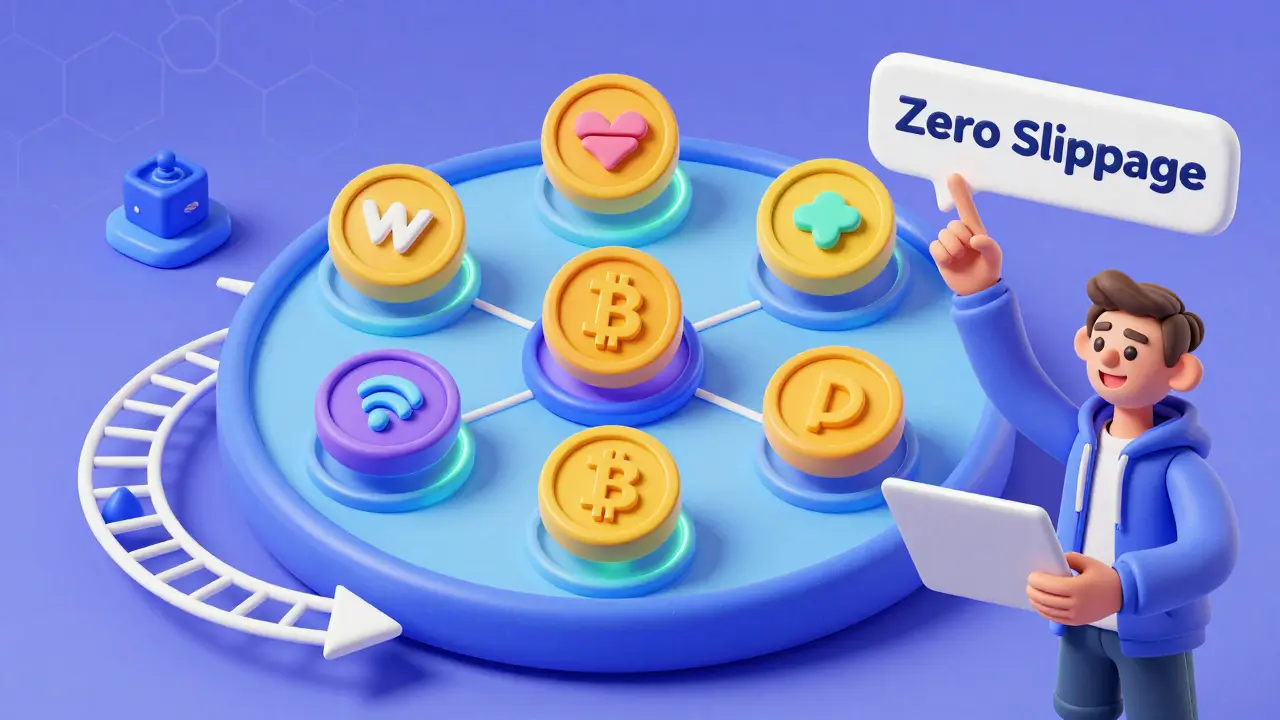
Balancer V2 on Gnosis Chain: A Deep Review of the Most Flexible DeFi Exchange in 2026
Balancer V2 on Gnosis Chain offers advanced DeFi users gasless trades, zero-slippage swaps, and boosted yield pools. With support for 8-token pools and cross-chain routing, it outperforms Uniswap in flexibility and cost-efficiency for experienced traders.

What Are Stop-Loss Orders in Crypto Trading? A Practical Guide to Limiting Losses
Stop-loss orders in crypto trading help limit losses by automatically selling assets when prices hit a set level. Learn how they work, the different types, where to set them, and how to avoid common pitfalls in volatile markets.

How to Choose the Right Trading Pair for Your Crypto Strategy
Learn how to choose the right crypto trading pair for your strategy using statistical methods like cointegration, liquidity checks, and market regime analysis. Avoid common mistakes and build a profitable pairs trading system.

Sentiment Analysis for Trading Signals in Crypto and Blockchain Markets
Sentiment analysis turns social media and news text into trading signals for crypto markets. Learn how to use emotion data to spot market extremes, avoid manipulation, and improve trade timing with real tools and strategies.