German Crypto Exchange: Trusted Platforms, Regulations, and What to Avoid
When you're searching for a German crypto exchange, a cryptocurrency trading platform that complies with German financial laws and serves users in Germany. Also known as German crypto platform, it must be licensed by BaFin, Germany’s financial regulator, to operate legally. Not all exchanges that work elsewhere are allowed here. Many global platforms like Binance are blocked or restricted in Germany, forcing users to turn to local or region-specific services that meet strict compliance rules.
Germany has some of the clearest crypto regulations in Europe. If you trade crypto, you need to track every transaction for tax purposes—profits under €600 per year are tax-free, but anything above that gets taxed as income. That’s why users here care about crypto regulations Germany, the legal framework governing cryptocurrency trading, taxation, and exchange licensing in Germany. It’s not just about finding a platform that accepts euros—it’s about using one that reports to authorities correctly and keeps your funds safe. Platforms without proper licensing, like CashTelex or Blockfinex, show up in warnings from German consumer groups because they lack transparency, audits, or user protections. These aren’t just risky—they’re potentially illegal to use here.
Some German users turn to decentralized exchanges like MDEX or STON.fi, but even those come with caveats. While they don’t require KYC, they still fall under German tax rules. And if you’re chasing airdrops like BSC AMP or TRO, be careful—fake campaigns targeting German speakers are common. The crypto exchange restrictions, legal and technical barriers that limit which platforms German residents can legally access aren’t just about blocking sites—they’re about protecting you from scams and unregulated operators. That’s why the posts below focus on real, verified platforms, tax-ready tools, and red flags you can spot before you deposit a euro.
What you’ll find here isn’t a list of every exchange ever mentioned in Germany. It’s a curated set of reviews, warnings, and guides written for people who want to trade safely, legally, and without getting caught in a scam. Whether you’re checking if MEXC works in Germany, wondering why Binance has a local version, or trying to avoid a fake airdrop, the articles below give you what you need—no fluff, no hype, just facts from real users and regulators.
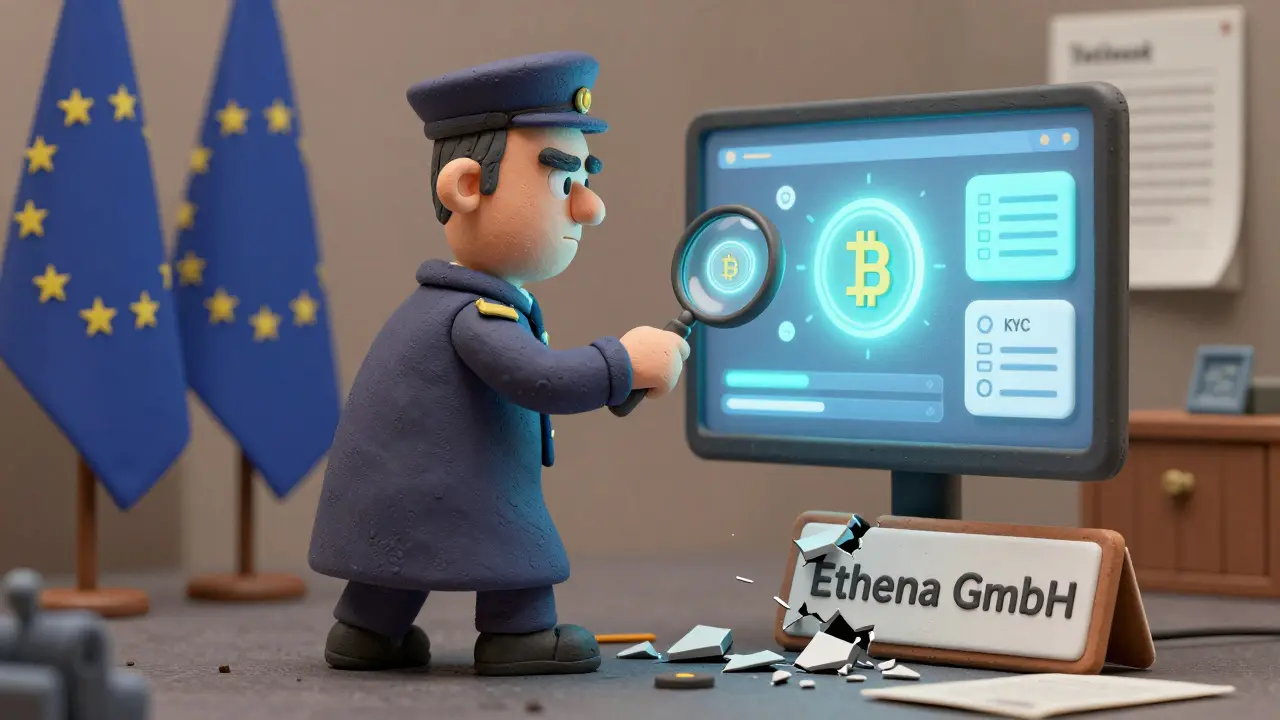
German Crypto Exchange Regulations and Licensing: What You Need to Know in 2025
Germany's crypto exchange regulations require BaFin licensing, MiCAR compliance, strict AML rules, and detailed tax reporting. Learn what it takes to operate legally in 2025.