Iran Bitcoin mining: What's really happening with crypto mining in Iran
When it comes to Iran Bitcoin mining, the practice of using computational power to validate Bitcoin transactions and earn rewards, often driven by low electricity costs and weak regulatory enforcement. Also known as crypto mining in Iran, it's become one of the most controversial and high-volume mining operations on the planet. While most countries crack down on crypto mining, Iran not only allows it—they actively encourage it. Why? Because they have cheap electricity, a surplus of natural gas, and a government that sees Bitcoin mining as a way to earn hard currency outside the U.S. dollar system.
It’s not just about running rigs in basements anymore. Iran’s mining scene is industrial-scale. Factories filled with thousands of ASIC miners run 24/7, powered by state-subsidized electricity that costs less than $0.01 per kWh. That’s a fraction of what miners pay in the U.S. or Germany. The Iranian government even built special energy zones just for mining operations, turning a once-illegal activity into a national economic tool. But it’s not all smooth. The U.S. and EU have slapped sanctions on Iranian miners and exchanges, and power outages are common when the government decides to cut energy to mining farms to keep homes lit. In 2023 alone, Iran was estimated to account for nearly 7% of the global Bitcoin hash rate—second only to the U.S.
That’s why crypto regulations Iran, the evolving legal and enforcement framework around cryptocurrency use and mining within the country. Also known as Iranian crypto laws, it’s a messy mix of tolerance and control matters so much. The government doesn’t recognize Bitcoin as legal tender, but it licenses mining operations and even taxes the profits. Miners have to register, pay fees, and sometimes hand over a portion of their output to the state. Meanwhile, ordinary citizens face risks: buying Bitcoin privately can lead to fines, and using unlicensed exchanges could mean jail time. This tension—between state control and decentralized tech—is what makes Iran’s crypto story so unique.
And it’s not just about Bitcoin. The same infrastructure that powers mining also supports other crypto activities—like running nodes, staking, and even decentralized finance apps. But with international sanctions, Iranian miners can’t easily cash out through Western exchanges. Many turn to peer-to-peer markets or local traders who deal in cash or gold. That’s why you’ll find so many posts here about cryptocurrency mining, the process of securing blockchain networks by solving complex math problems to earn rewards, often tied to energy use and hardware efficiency. Also known as crypto mining, it’s the backbone of Bitcoin’s security and why some platforms like MDEX or BSC AMP get mentioned in Iran-focused discussions—they’re tools miners use to move value when traditional banking fails.
What you’ll find in the posts below isn’t just theory. It’s real-world insight: how miners in Tehran avoid blackouts, why some Iranian exchanges vanish overnight, and how global sanctions quietly reshape who gets to mine—and who gets punished. You’ll see how privacy coins, stablecoins, and even meme tokens play into this ecosystem. There are no sugar-coated guides here. Just facts about who’s mining, how they’re surviving, and what happens when the power goes out—or the government changes its mind.
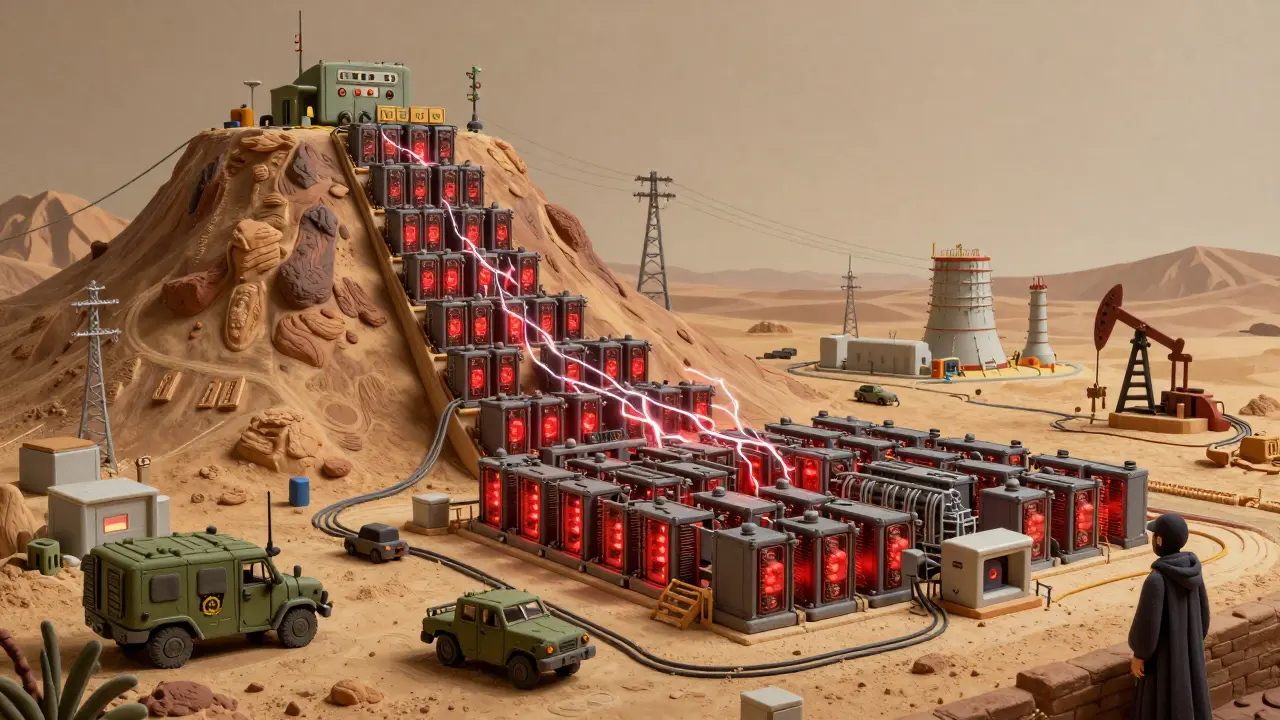
How Iran Uses Bitcoin Mining to Bypass International Sanctions
Iran uses Bitcoin mining to bypass international sanctions by turning surplus electricity into digital currency, funding imports and bypassing global banking restrictions. With state-backed operations and $4 billion+ in crypto flows, it's a high-stakes strategy with global implications.