MiCAR Germany: What It Means for Crypto Users in the EU
When you hear MiCAR Germany, the German implementation of the EU’s Markets in Crypto-Assets Regulation, you’re not just hearing about new rules—you’re hearing about the future of crypto in Europe. MiCAR isn’t just a guideline. It’s a legal framework that forces exchanges, issuers, and even wallet providers to prove they’re safe, transparent, and accountable. And Germany, as one of the EU’s largest economies, is leading the charge in how this plays out on the ground.
MiCAR, the EU’s comprehensive crypto regulation that came into effect in 2024 applies to all 27 member states, but Germany’s strict enforcement and clear licensing system make it a test case for the rest of the bloc. Under MiCAR, any crypto platform serving German customers must now be licensed by BaFin, the country’s financial regulator. That means no more shady exchanges hiding behind offshore addresses. If a platform doesn’t show its license, it’s illegal to use it there. This directly impacts crypto compliance Germany, the set of legal and operational standards crypto businesses must meet to operate legally in Germany. It’s not just about paperwork—it’s about audits, reserve proofs, and real-time reporting.
Stablecoins like USDT and USDC are under the microscope too. MiCAR requires issuers to hold 1:1 reserves in cash or low-risk assets, and they must publish monthly reports. That’s why you’re seeing fewer fake or under-collateralized stablecoins in German markets. The regulation also forces platforms to clearly explain risks—no more hiding behind vague terms like "high yield" or "guaranteed returns." If a platform promises 20% APY without explaining how, it’s violating MiCAR. And for users? That means less chance of losing money to unregulated scams.
What’s interesting is how MiCAR Germany is changing behavior. Smaller DeFi projects that used to ignore regulation now have to choose: either get licensed, or lose access to millions of German users. Some have moved operations entirely. Others are partnering with licensed German firms to stay compliant. This isn’t just about control—it’s about building trust. And trust is what crypto needs to move from fringe speculation to mainstream finance.
You’ll find posts here that break down exactly how MiCAR affects real platforms—like why CashTelex can’t operate in Germany, why MDEX had to adjust its user agreements, and how BSC AMP rumors were shut down because they didn’t meet MiCAR’s disclosure rules. Some posts show you how to verify if an exchange is licensed under MiCAR. Others explain what happens if you trade on an unlicensed platform in Germany. There’s no fluff—just clear, practical info based on what’s actually happening on the ground.
Whether you’re a trader, a business owner, or just someone holding crypto in Germany, MiCAR changes what’s safe and what’s risky. The rules are here. The enforcement is real. And the posts below show you exactly how to navigate it without getting caught in the crosshairs.
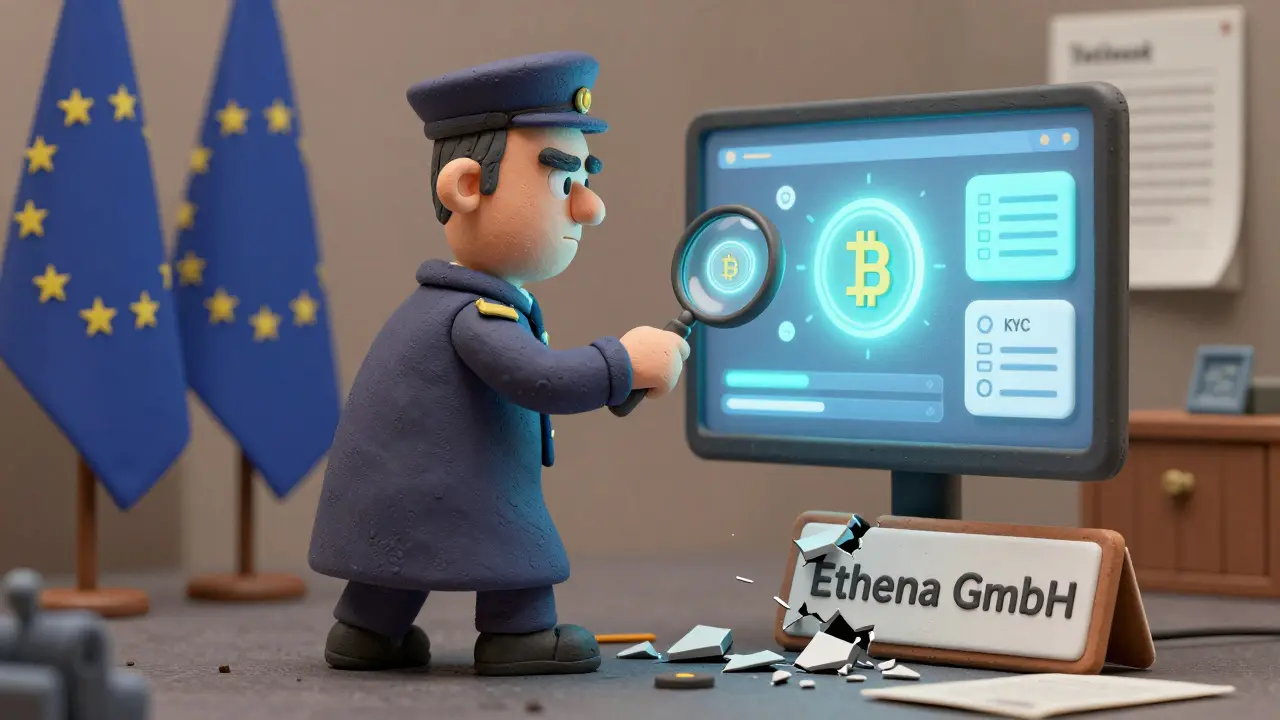
German Crypto Exchange Regulations and Licensing: What You Need to Know in 2025
Germany's crypto exchange regulations require BaFin licensing, MiCAR compliance, strict AML rules, and detailed tax reporting. Learn what it takes to operate legally in 2025.