NFT Games: What They Are, How They Work, and Which Ones Actually Matter
When you play an NFT game, a video game where in-game items like characters, weapons, or land are represented as unique blockchain tokens. Also known as blockchain gaming, it turns your time and skill into digital assets you can actually own and trade outside the game. This isn’t just about collecting pixels—it’s about owning something that can rise or crash in value based on demand, community, and whether the devs actually ship updates.
Most NFT games promise play-to-earn, a model where players earn tokens or NFTs by playing, but only a few deliver. Take APENFT, a token tied to NFT trading and airdrops on the TRON network—it gave away over 45 billion tokens to active NFT collectors, not players. That’s not a game reward, that’s a marketing stunt. Meanwhile, tokens like BLOK, the currency for the Bloktopia metaverse built on Polygon, are tied to a working virtual world where you can buy land, host events, and earn through interaction. The difference? One has utility. The other has hype.
Many NFT games collapse because they’re built on empty promises. You’ll see games offering 50% APY on tokens, but if the token has no exchange listings, no real users, and no roadmap, that yield is just a lure. Look at SMOG, a Solana-based meme coin that crashed 98% after launch but still claims to be a gaming token. It has staking, but no game. Same with GEAR, the token tied to MetaGear, a game that doesn’t exist yet. They’re waiting for an airdrop that might never come. Real NFT games have playable versions, active communities, and tokens that are used inside the game—not just traded on exchanges.
What you’ll find here are real stories—not hype. You’ll see how some NFT games turned into ghost towns, how others still have players logging in daily, and why some airdrops were legit while others were scams. You’ll learn how to spot the difference between a project building something and one just trying to cash out. There’s no sugarcoating: most NFT games fail. But a few? They’re changing how games are made, owned, and played. If you’re serious about playing and earning, you need to know which ones are still alive—and which ones are just digital tombstones.
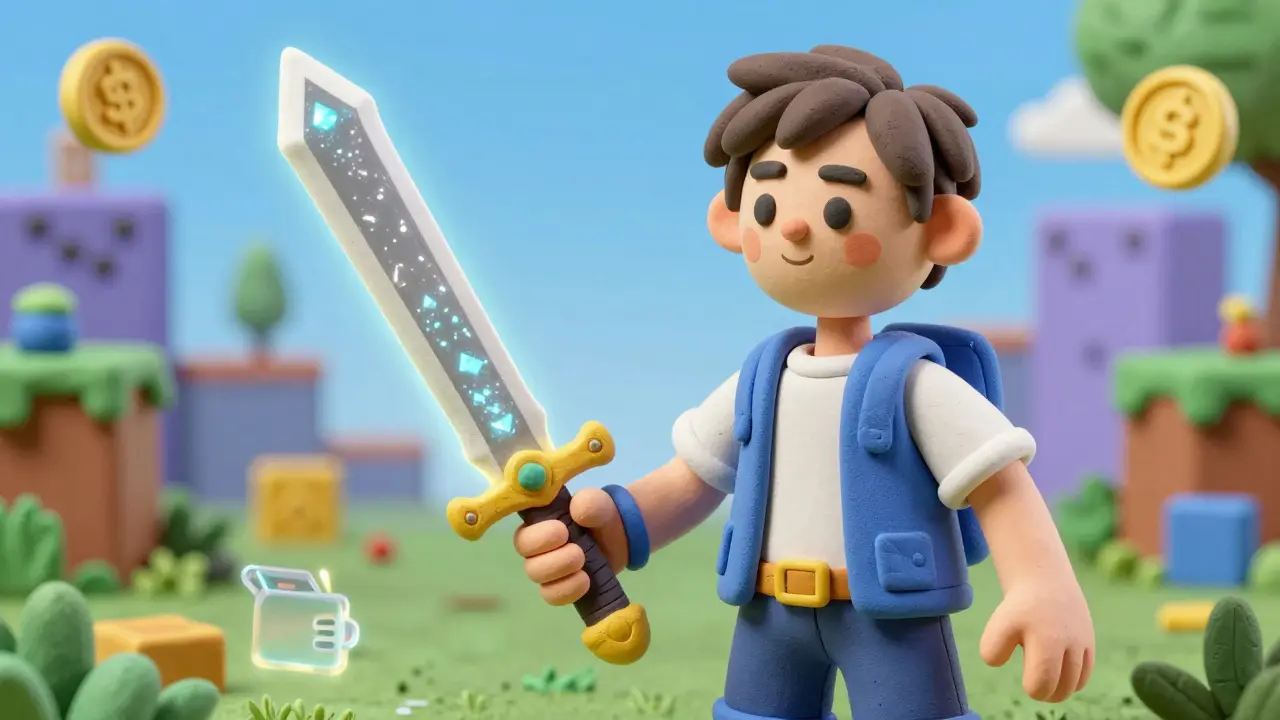
What Are Gaming NFTs? A Clear Guide to Digital Ownership in Video Games
Gaming NFTs are unique digital assets in video games that players truly own, stored on blockchains like Ethereum or Polygon. Unlike regular in-game items, they can be sold, traded, and used across games, offering real ownership and play-to-earn potential.