Play-to-Earn Crypto: How Gaming Tokens Turn Time Into Earnings
When you hear play-to-earn, a model where players earn cryptocurrency or NFTs by playing blockchain-based games. Also known as P2E, it promises to turn hours spent gaming into actual income. But not all play-to-earn games pay off—many collapsed after the 2021 boom. The ones that survived focus on real gameplay, not just token rewards.
What makes a play-to-earn game work? It needs three things: a reason to play, a way to earn something valuable, and a market that actually trades those rewards. Projects like Bloktopia (BLOK), a metaverse built on Polygon where users earn tokens by exploring virtual spaces and Whalebit (CES), a token tied to a Polygon-based platform combining gaming, DeFi, and NFTs try to do this right. They aren’t just giving away tokens—they’re building ecosystems where tokens have use inside the game itself. That’s different from projects like Smog (SMOG), a Solana meme coin that offered high staking yields but had no real gameplay or roadmap, which burned out fast because there was nothing to do beyond holding tokens.
Most play-to-earn projects today are niche. You won’t get rich playing them unless you’re already deep into the ecosystem. But if you enjoy gaming and want to turn your time into crypto, some still work. The key is to look for games with active players, real utility for their tokens, and no fake airdrops. You’ll find plenty of those here—some with actual gameplay, others with token distributions tied to real activity. Skip the hype. Find the ones that still pay.
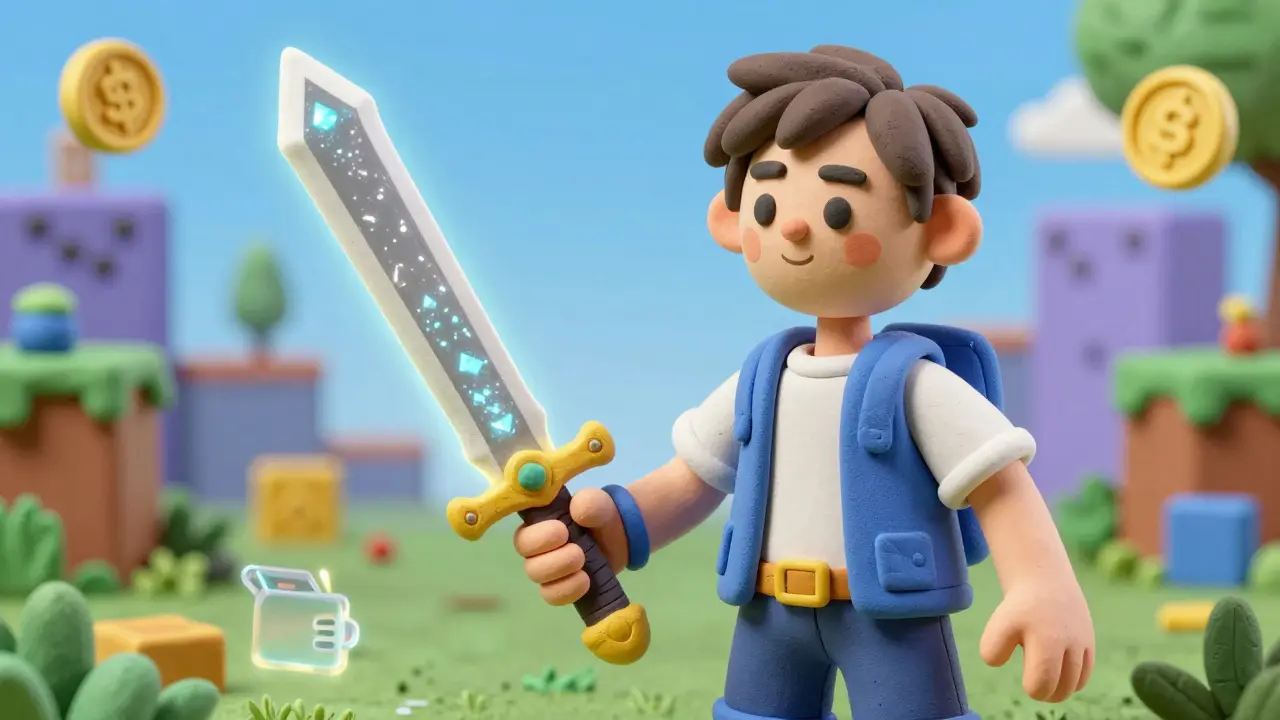
What Are Gaming NFTs? A Clear Guide to Digital Ownership in Video Games
Gaming NFTs are unique digital assets in video games that players truly own, stored on blockchains like Ethereum or Polygon. Unlike regular in-game items, they can be sold, traded, and used across games, offering real ownership and play-to-earn potential.