Tornado Cash: Privacy, Regulation, and What Happened to the Crypto Mixer
When you send crypto, everyone can see where it came from and where it went—unless you used Tornado Cash, a decentralized Ethereum mixer designed to break the link between sender and receiver by pooling funds and redistributing them anonymously. Also known as a crypto mixer, it let users hide their transaction history without needing a middleman. This wasn’t about hiding illegal money—it was about protecting ordinary people from surveillance, tracking, and targeted attacks. Tornado Cash wasn’t a company. It was code. Anyone could use it. No sign-up. No KYC. Just a simple interface that mixed your ETH or ERC-20 tokens with hundreds of others, then sent you back clean funds from a different address.
That’s why regulators came after it. In 2022, the U.S. Treasury blacklisted Tornado Cash, calling it a tool for laundering ransomware cash and North Korean hacks. Exchanges like Coinbase and Kraken cut off access. Developers were targeted. Wallets that interacted with it got flagged. The tool didn’t vanish—it just went underground. Today, you won’t find Tornado Cash on any major site. But its impact didn’t disappear. It forced the whole crypto world to ask: Can privacy even exist under global financial rules? Projects like Monero, a privacy-focused blockchain that hides sender, receiver, and amount by default, and Zcash, a coin that lets users choose between transparent and shielded transactions, became the new alternatives for those who still want real anonymity. Even Ethereum’s own future upgrades now include privacy features, partly because of the pressure Tornado Cash created.
What you’ll find below isn’t just a list of articles—it’s a map of the fallout. You’ll see how privacy coins got delisted, how fake airdrops copied Tornado Cash’s name to trick users, how exchanges scrambled to block any trace of mixing tools, and why projects like OpenDAO and Smog became the quiet side effects of this crackdown. Some posts warn you about scams pretending to be Tornado Cash. Others explain how stealth addresses work in Monero, or why wrapped tokens can’t replace true privacy. This isn’t history. It’s the new reality of crypto—and if you care about control over your own money, you need to understand what happened here.
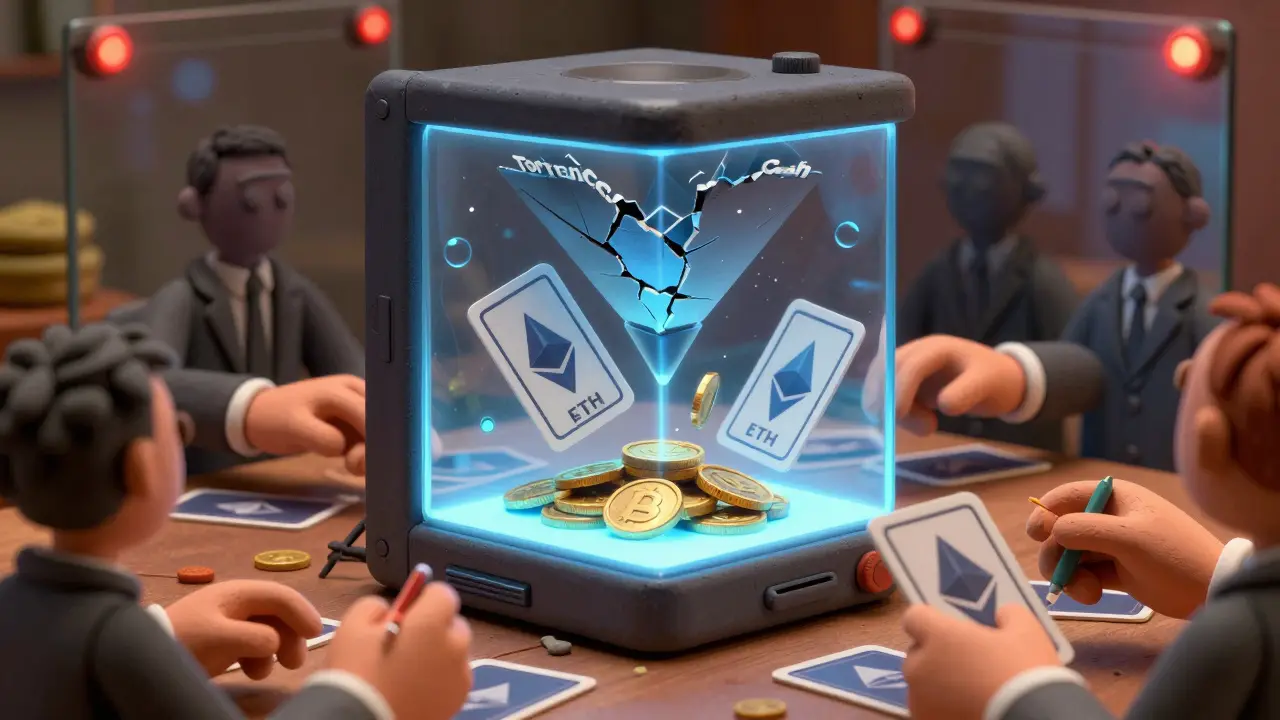
Crypto Mixers and Tornado Cash Sanctions Explained: What Happened and Why It Matters
Tornado Cash was a popular crypto mixer until U.S. regulators sanctioned it in 2022. After a landmark court ruling, the sanctions were lifted in 2025-but the developers are still being prosecuted. Here’s what really happened and what it means for privacy in crypto.