Blockchain Privacy: How Privacy Coins and Anonymity Tools Protect Your Crypto
When you send Bitcoin, everyone on the network can see exactly how much you sent, who you sent it to, and even track every future transaction linked to that address. That’s not a bug—it’s how most blockchains work. But blockchain privacy, the ability to obscure transaction details on a public ledger. Also known as cryptocurrency anonymity, it’s what lets people protect their financial freedom in places where surveillance is the norm. If you’ve ever worried about your spending habits being tracked, your salary revealed, or your donations exposed, then blockchain privacy isn’t theoretical—it’s essential.
That’s where privacy coins, digital currencies designed to hide sender, receiver, and amount in every transaction. Also known as anonymous coins, they use advanced math like zero-knowledge proofs and ring signatures to break the link between wallets. Monero, a privacy-focused blockchain that hides all transaction data by default doesn’t just offer optional anonymity—it enforces it. Zcash, a blockchain that lets users choose between transparent and shielded transactions gives you control, but only if you know how to use it. And Dash, an early privacy coin that uses CoinJoin to mix transactions made privacy accessible before most people even knew it was a problem.
But privacy isn’t just about coins. It’s also about how you interact with exchanges, wallets, and networks. Some platforms, like MEXC and Blockfinex, don’t require KYC, which means your identity stays off-chain. Others, like STON.fi and StellaSwap, let you swap tokens without revealing your wallet history to third parties. Meanwhile, governments are seizing crypto at record levels—over $17 billion in Bitcoin alone in the U.S.—and tracking every public transaction. If you’re not using privacy tools, you’re already being watched.
What you’ll find below isn’t a list of random posts. It’s a practical guide to who’s protecting privacy, who’s ignoring it, and what you can do to stay safe. From how to spot fake airdrops that steal your data, to why Angola banned mining to save its power grid, these posts show the real-world stakes. Whether you’re a journalist in a repressive regime, a small business owner avoiding corporate tracking, or just someone who doesn’t want strangers seeing your crypto moves—this is your starting point.

Future of Zero-Knowledge Technology in Blockchain and Cryptography
Zero-knowledge proofs are revolutionizing blockchain by enabling private, scalable transactions without exposing data. From zk-SNARKs to hardware acceleration, this is how ZK tech is becoming the backbone of next-gen crypto and enterprise systems.
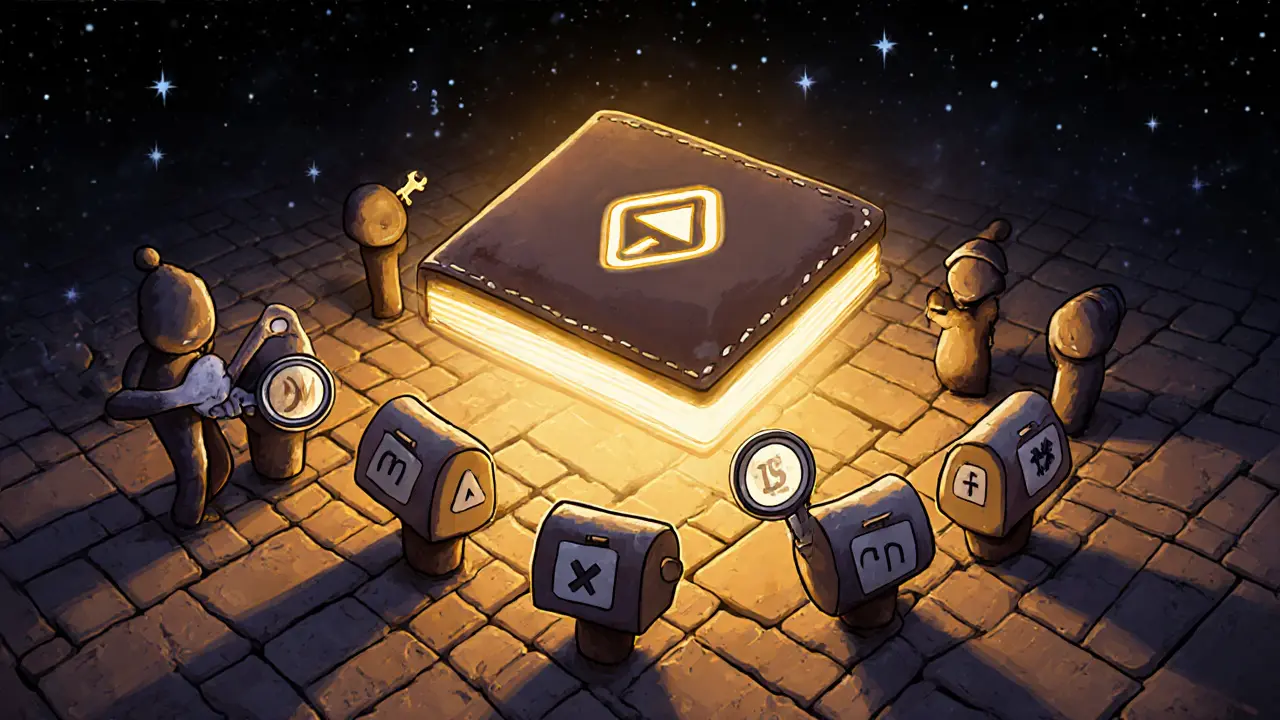
Stealth Addresses in Privacy Coins: How Monero Keeps Your Transactions Private
Stealth addresses in privacy coins like Monero create one-time, untraceable addresses for each transaction, hiding the recipient's identity on the blockchain. Unlike Bitcoin, they prevent linking payments to a user's wallet, offering true financial privacy.