Wrapped Tokens: What They Are, Why They Matter, and How They Connect to DeFi and Cross-Chain Trading
When you hear wrapped tokens, digital assets that represent real cryptocurrencies on different blockchains. Also known as wrapped crypto, they let you use Bitcoin on Ethereum, or Ethereum on Solana—without moving the original coin. Think of them like a voucher: you lock your real BTC in a vault, and get a token—wBTC—that acts like BTC but works on Ethereum. It’s not magic. It’s smart contracts and trustless custody.
Wrapped tokens are everywhere in DeFi, a system of financial apps built on blockchains that don’t need banks. Why? Because Ethereum’s DeFi apps need more than just ETH. They need liquidity, and Bitcoin has more value than any other crypto. So wrapped BTC became the bridge. Same with wrapped ETH on Solana or wrapped USDT on Polygon. Without wrapped tokens, DeFi would be stuck in silos. You couldn’t lend BTC on Aave, stake it on Curve, or use it as collateral on Uniswap. Wrapped tokens make cross-chain value flow possible.
But they’re not risk-free. The whole system depends on custodians holding the real asset. If the company behind wBTC goes down, or the smart contract gets hacked, your wrapped token could lose its backing. That’s why some projects use decentralized custodians—like RenVM or Polygon’s PoS bridge—but even those have had issues. And if a wrapped token isn’t fully backed, you’re holding paper that looks like gold but isn’t.
You’ll see wrapped tokens in almost every post below—whether it’s about cross-chain, moving assets between blockchains without centralized intermediaries bridges, DeFi lending, or even airdrops tied to token swaps. Some posts warn about fake wrapped tokens pretending to be wBTC or wETH. Others explain how platforms like MDEX or Bloktopia use them to bring in liquidity from other chains. And you’ll find cases where wrapped tokens are the only reason a project even exists—like when a game on Polygon needs users to deposit Bitcoin, but can’t accept Bitcoin directly.
So if you’re trading, staking, or just trying to understand why your wallet shows wETH instead of ETH, this collection cuts through the noise. You’ll learn what’s real, what’s risky, and how wrapped tokens quietly power the entire crypto ecosystem—without most people even noticing.

Use Cases for Wrapped Tokens in DeFi: How They Unlock Cross-Chain Liquidity
Wrapped tokens let you use Bitcoin and other cryptos in DeFi without selling them. They bridge chains, unlock liquidity, and let you earn yield on assets like BTC, LINK, and LTC across Ethereum and beyond.
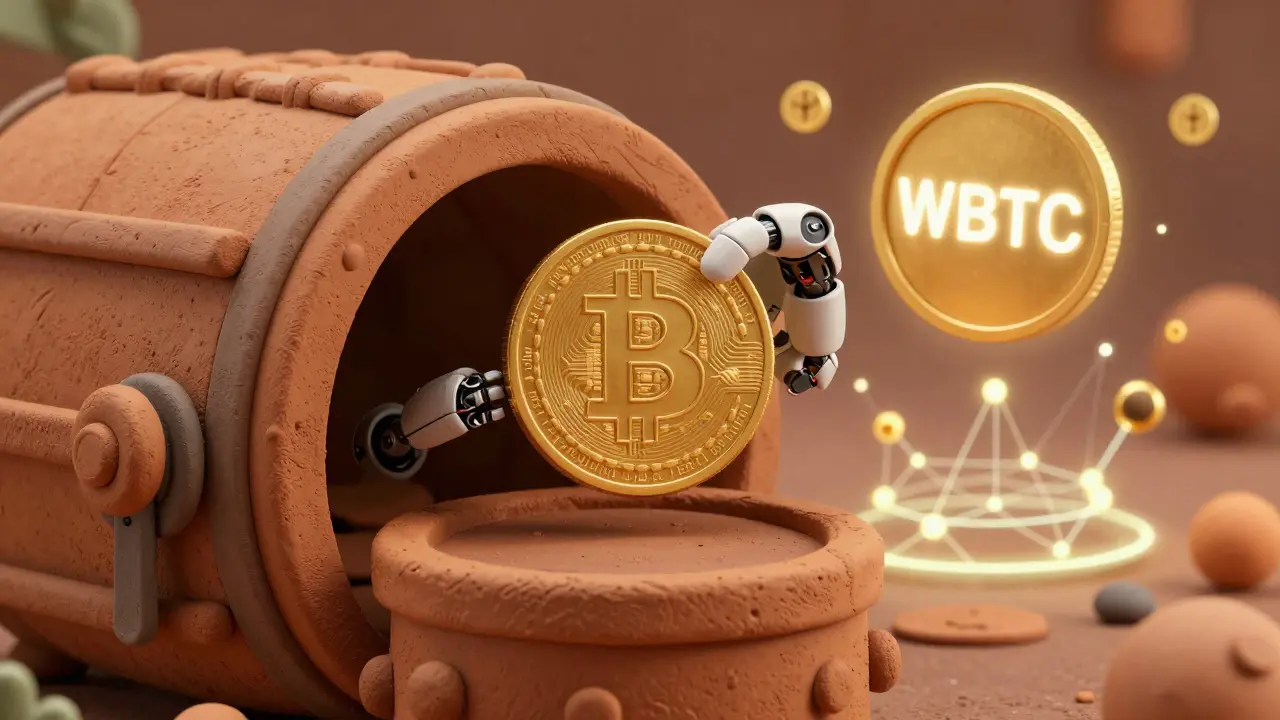
What Are Wrapped Tokens in Cryptocurrency? A Simple Breakdown
Wrapped tokens let you use Bitcoin and other cryptocurrencies on different blockchains like Ethereum. They’re 1:1 backed, enable DeFi yields, and power over $12 billion in locked value - but come with custodial risks.

How Wrapped Tokens Enable Cross-Chain Trading
Wrapped tokens like WBTC and wETH let Bitcoin and other assets move across blockchains, unlocking DeFi on Ethereum and beyond. They're essential for cross-chain trading but come with custody and security risks.