BlockGem Crypto Archive March 2025: Coins, Exchanges, and Airdrops
When you look at crypto, digital assets built on decentralized blockchain networks that enable peer-to-peer value transfer without banks. Also known as cryptocurrencies, it's not just about price charts—it's about the tools, platforms, and events that shape how people actually use them. March 2025 was one of those months where the noise settled and real movement happened. Not the kind of hype that fades in a week, but the kind that changes how you hold, trade, or even claim new tokens.
blockchain, the public ledger technology that records every crypto transaction securely and transparently kept running like clockwork, but the applications around it shifted. Major exchanges updated their listing rules, making it harder for low-liquidity coins to sneak in—and easier for solid projects to get noticed. That meant fewer scams, more focus on real utility. At the same time, cryptocurrency exchanges, platforms where users buy, sell, and trade digital assets like Bitcoin and Ethereum started rolling out new fee structures, zero-fee trading windows, and faster withdrawals. Users weren’t just watching—they were switching. And it wasn’t just about cost. Security features like multi-sig recovery and built-in cold storage options became standard, not bonuses.
Then there were the airdrops, free token distributions given to users who meet certain criteria, like holding a coin or interacting with a protocol. This March, they weren’t just giveaways. They were gateways. Projects used them to test network adoption, reward early supporters, and build real communities. You didn’t just claim a token—you joined a movement. Some airdrops required staking, others needed simple wallet interactions. A few even rewarded users for completing educational tasks about blockchain security. That’s new. That’s smart. And it’s exactly what BlockGem tracked and broke down for you this month.
What you’ll find in this archive isn’t just a list of posts. It’s a record of what mattered. Which coins gained real traction beyond speculation. Which exchanges earned trust by acting like infrastructure, not casinos. Which airdrops actually delivered value—and which were just fishing for wallets. No fluff. No guesswork. Just what happened, what worked, and what you can use next month.

DONK Airdrop: How to Get Free Donkey Tokens on Bitget in 2025
Learn how to get free DONK tokens through Bitget's Learn2Earn and Assist2Earn programs in 2025. No official airdrop exists - here's how to safely collect and use Donkey crypto.
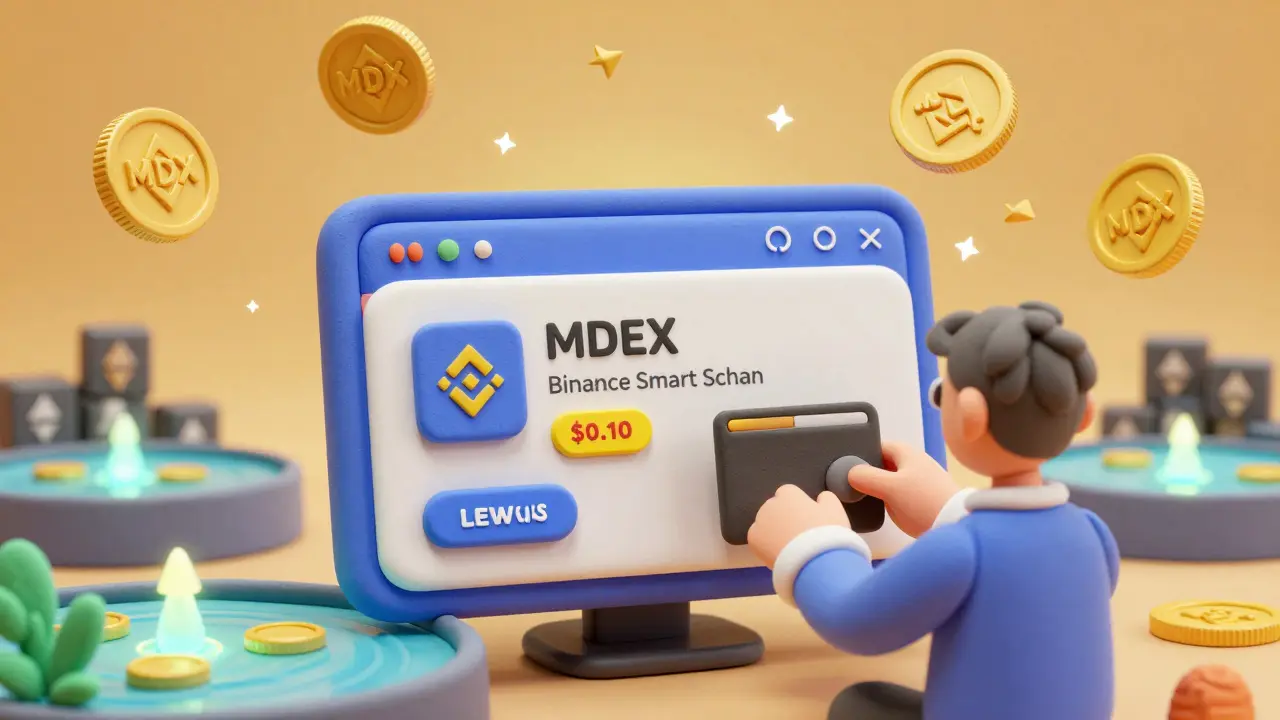
MDEX (BSC) Crypto Exchange Review: Speed, Rewards, and Risks on Binance Smart Chain
MDEX on Binance Smart Chain offers fast, low-cost trades and unique rewards for both traders and liquidity providers. Learn how it works, its risks, and why it still stands out in 2025.
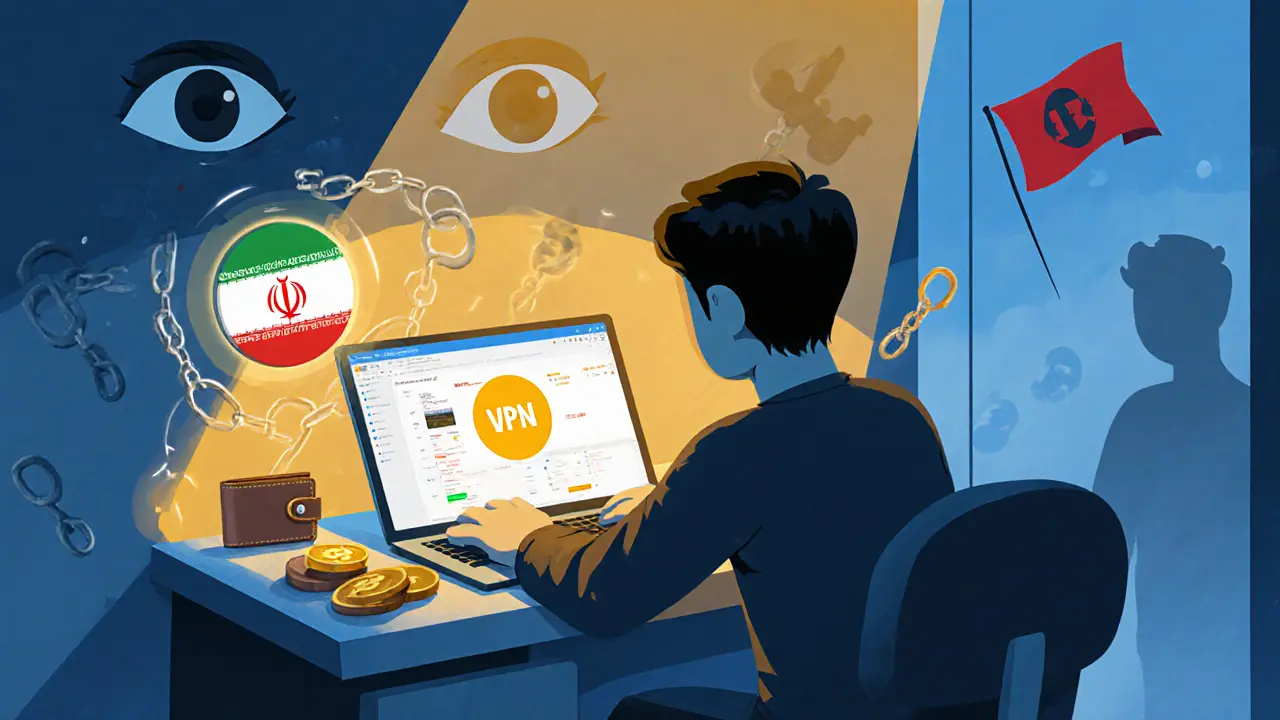
DEX Access for Iranian Citizens: How to Use Decentralized Exchanges Amid Restrictions
Iranian citizens are turning to decentralized exchanges to bypass government restrictions and sanctions. Learn how DEXs like QuickSwap on Polygon, combined with DAI and VPNs, are becoming the only reliable way to trade crypto safely in Iran.

What is OpenDAO (SOS) crypto coin? A complete breakdown of its origin, value, and current status
OpenDAO (SOS) is an Ethereum-based crypto token airdropped to OpenSea NFT traders in 2021. With no utility, minimal trading volume, and no active development, it's now a dormant project with little to no value.
How to Choose the Best Mining Pool for Maximum Crypto Profits
Choosing the right mining pool affects your crypto profits more than your hardware. Learn how to compare fees, payout methods, uptime, and server locations to maximize your earnings without falling for common traps.
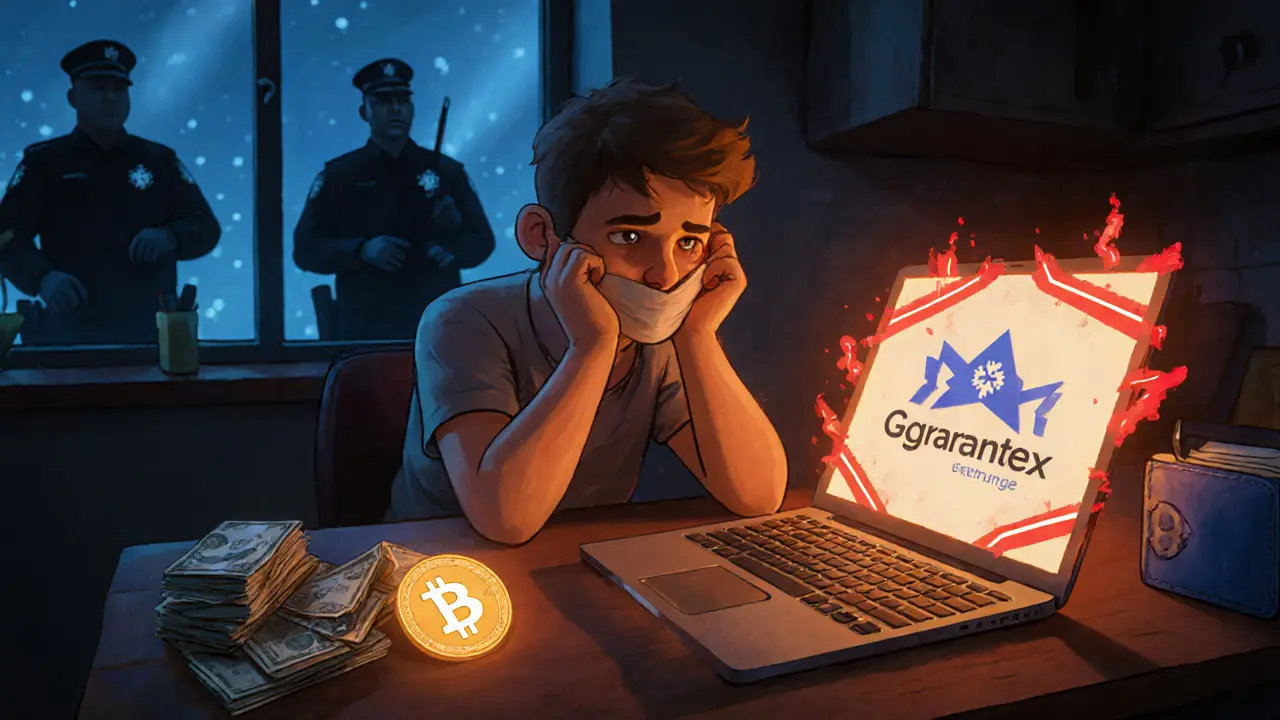
Crypto Exchanges to Avoid if You Are Russian: High-Risk Platforms and Legal Consequences
Russian citizens face serious legal risks using unlicensed crypto exchanges like Garantex, Exved, and Grinex. These platforms are sanctioned, linked to money laundering, and can lead to criminal charges. Learn which exchanges to avoid and what to do instead.

Crypto Exchange Availability by Region Worldwide: Where You Can and Can't Trade
Crypto exchange availability varies widely by country due to regulations. Binance is blocked in the U.S. but operates regional versions. Ukraine and Moldova lead adoption, while strict rules limit access in many nations.